
Exporting Countries in the World
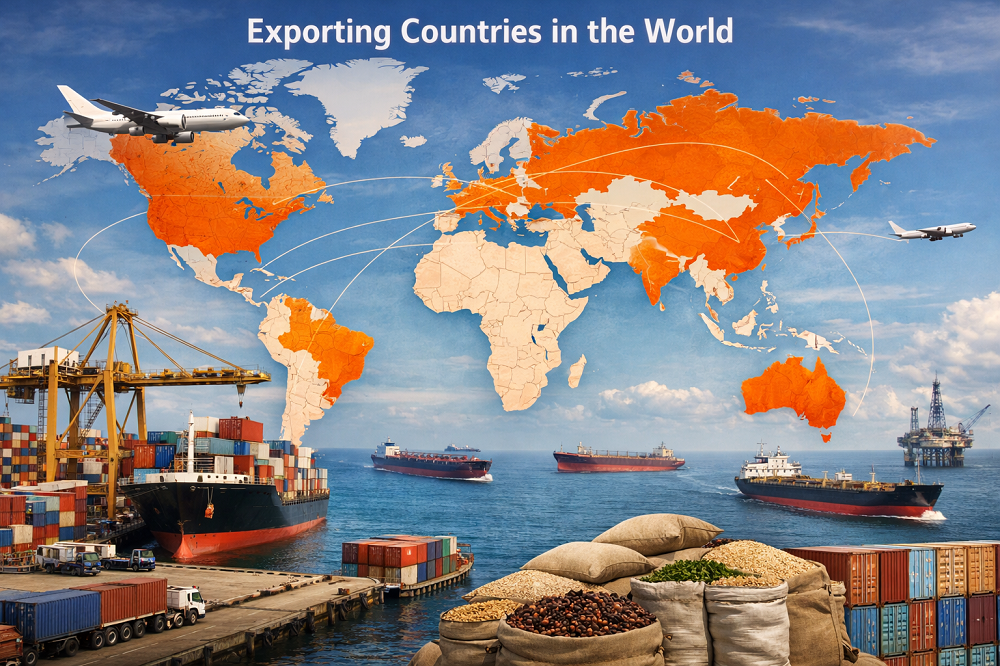
Economy · Trade · Exports How to read the world export ranking in 2025 This ranking tracks exports of goods
StatRanker.org is a data-driven research publication that transforms official economic, demographic and social statistics into clear rankings, structured comparisons and concise analytical reports.
Our research is based primarily on open data published by authoritative institutions, including the World Bank, International Monetary Fund (IMF), United Nations agencies, national statistical offices, government departments, regulators and other recognized public-data providers.
For each ranking, we define a specific metric, verify the underlying data, document the applicable year or statistical snapshot, and compare only observations that are sufficiently consistent in definition, unit and scope. When multiple sources are required, the dataset is compiled according to a documented source hierarchy, and differences in methodology, reference periods, geographic coverage or measurement standards are disclosed where they affect comparability.
StatRanker.org covers a broad range of economic and social indicators, including economic growth, inflation, public debt, international trade, population, income, labor markets, health expenditure and other measurable dimensions of national and regional performance. Particular attention is given to the United States, including state, county, metropolitan and other domestic rankings as well as comparisons between the U.S. and major global economies.
Our rankings are based on documented source values or transparently disclosed calculations. Where relevant, published values are distinguished from calculated values, official forecasts, modeled projections and other observed industry data. Calculated values are derived from identified source inputs using a disclosed formula, while forecasts and projections are clearly separated from historical or currently observed statistics.
Each research ranking documents the source institution, applicable source year or snapshot, unit of measurement, ranking direction and methodology used for comparison. Where a value has been calculated rather than directly published, the underlying inputs, formula and assumptions are documented. Where a projection is used, the base value, growth or trend parameter, formula and assumptions are identified separately.
Tables and charts on StatRanker.org are research visualizations created from the documented underlying data. Rankings are generally determined from the underlying numeric values rather than rounded display values. Analytical commentary is intended to describe patterns visible in the data and does not present unsupported correlations as evidence of causation.
The publication is designed for researchers, journalists, students, analysts, educators, businesses and decision-makers who need an efficient and transparent way to compare countries, regions, U.S. states, counties, metropolitan areas and other statistical entities using verifiable data.
StatRanker.org also maintains a correction-oriented editorial approach. When an official source revises a dataset, releases a more recent comparable observation or a material error is identified in a published ranking, the relevant page may be reviewed and updated to reflect the best available evidence.
StatRanker.org may be cited in articles, reports, presentations, academic materials and other editorial or educational publications. Original StatRanker.org analysis, tables and visualizations may be reproduced for legitimate editorial, research or educational purposes provided that they are not materially or misleadingly altered, clear attribution is included, and any applicable licensing or attribution requirements of the underlying data providers are also respected.
A recommended attribution is:
“Source: StatRanker.org, based on official data.”
For academic, regulatory, financial, legal or other high-stakes uses, readers should also review and, where appropriate, cite the original statistical institution and dataset identified on the relevant StatRanker.org page.
StatRanker.org does not replace the World Bank, IMF, United Nations, national statistical offices or other primary data authorities. Its role is to research, verify, organize, document and present their data in a format that makes statistical comparisons easier to understand, evaluate and use.
info@statranker.org
Economy · Trade · Exports How to read the world export ranking in 2025 This ranking tracks exports of goods
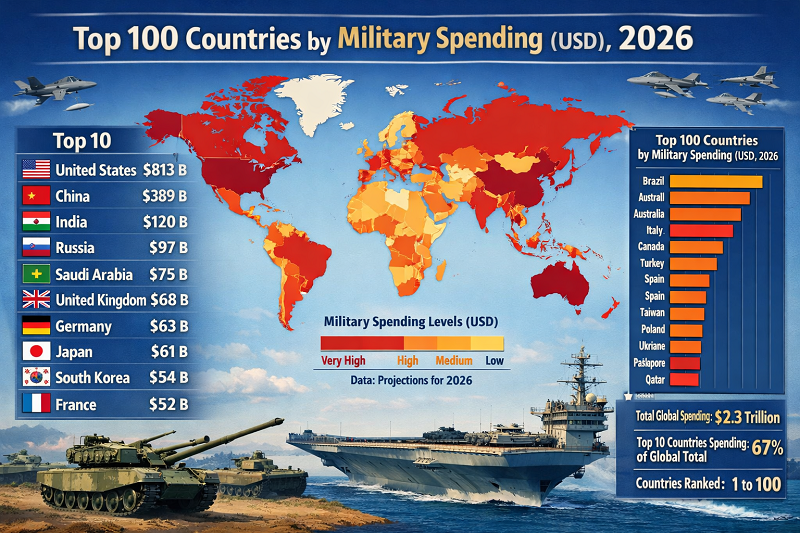
2026 Defense Budgets Snapshot: Military Budget Ranking by Country The 2026 defense budget ranking is led by the United States,
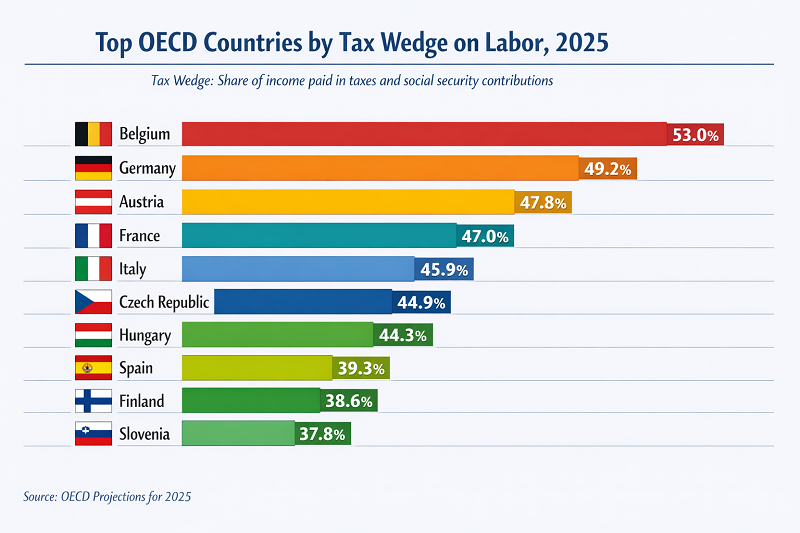
Economy · Budget and taxes · OECD labour taxation The tax wedge is the gap between what an employer pays

Economy · reserve assets · central banks · monetary gold Official gold reserves are the monetary gold holdings reported by

Foreign trade · Logistics · Maritime infrastructure Which countries handle the most container traffic through their ports? This ranking shows
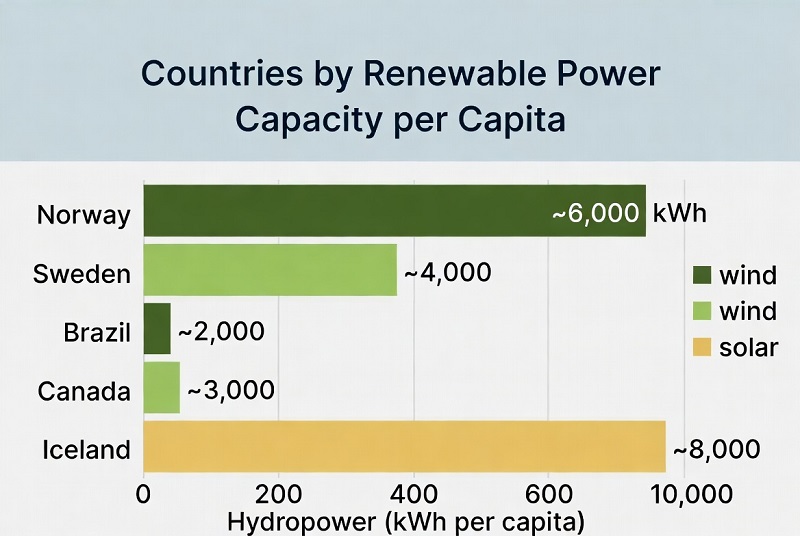
Renewable power capacity per person changes the ranking lens Installed renewable power per person highlights a different side of the
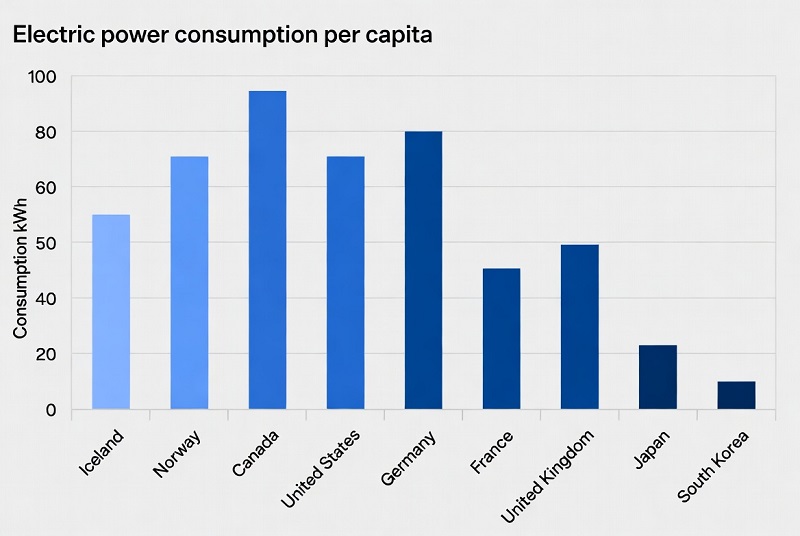
Energy · Utilities · Infrastructure What electric power consumption per capita shows in the latest World Bank / IEA comparison
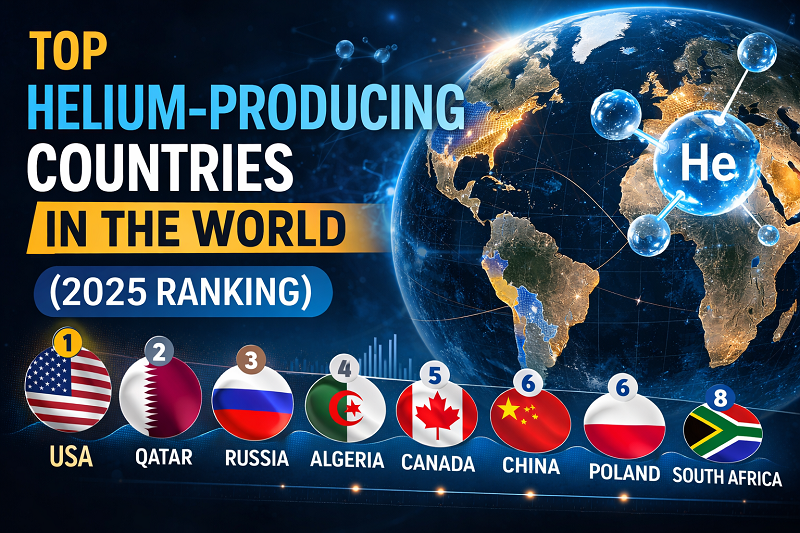
Table Methodology FAQ Sources Helium is one of the smallest commodity markets in volume terms, but it sits inside a
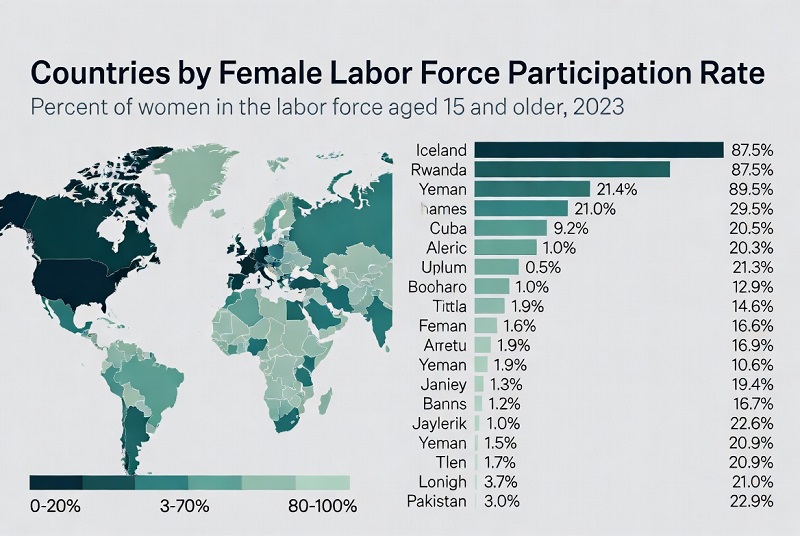
Economy · Demography · Gender statistics Why female labor force participation is one of the clearest cross-country signals in the
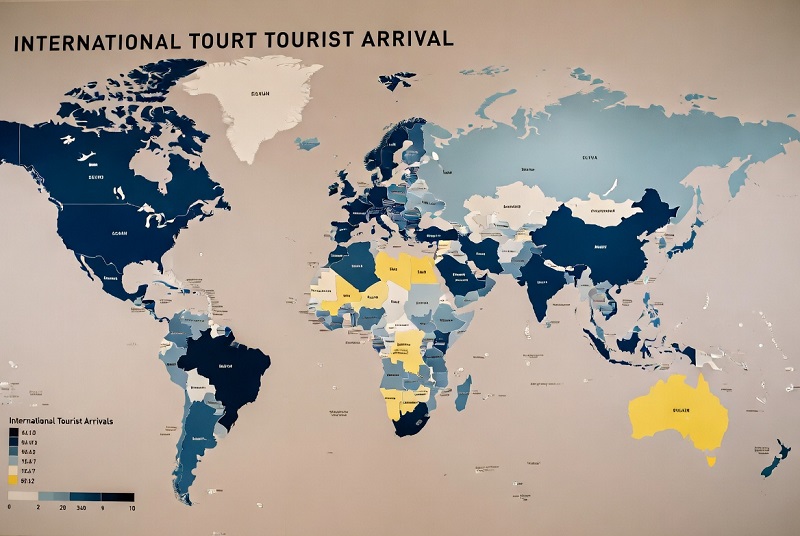
Tourism · Countries · 2026 data snapshot International Tourist Arrivals by Country: Latest World Bank WDI Ranking This ranking uses
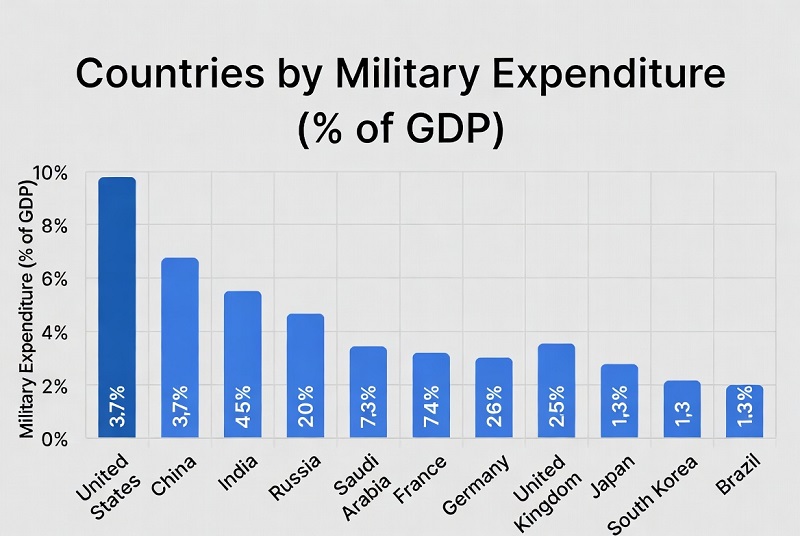
Geopolitics · Defense budgets · SIPRI How military expenditure as a share of GDP shows defense burden in 2025 Military
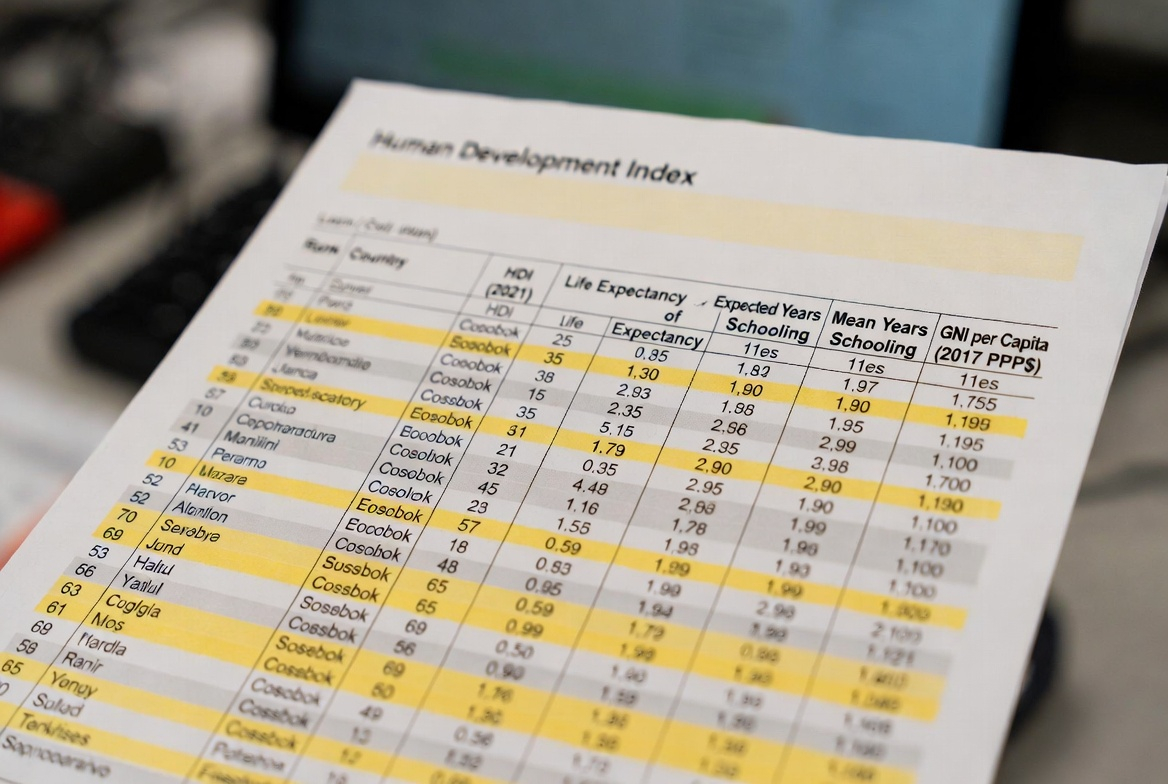
Society · Development · Composite index HDI Ranking 2025: Top 100 Countries by Human Development Index The HDI Ranking 2025

Rare earth mine production remains one of the most concentrated mineral supply chains in the world. Mineral Commodity Summaries 2026
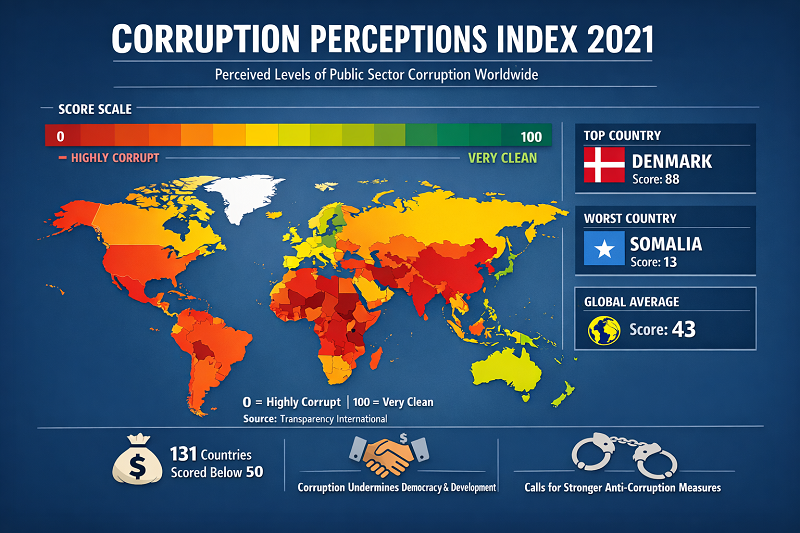
Governance · Transparency International · CPI 2025 The Corruption Perceptions Index (CPI) scores 182 countries and territories on perceived public-sector
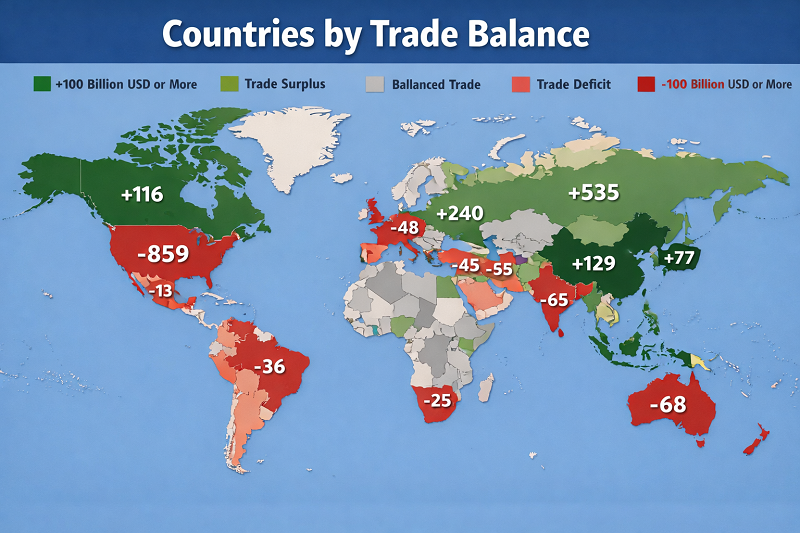
Metric: Trade balance (net exports), current USD Proxy year: 2023 (latest widely available) Extracted: February 16, 2026 Trade balance snapshot
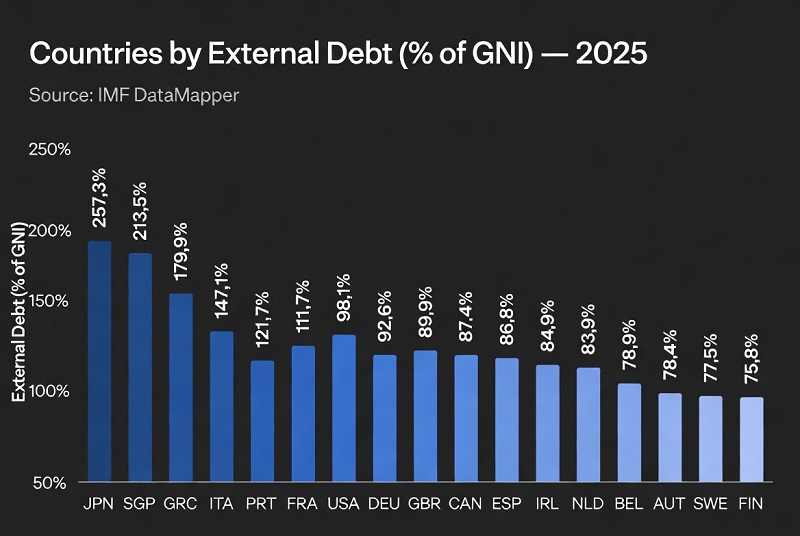
External debt snapshot (2025, using latest available year as proxy) What this ranking measures This ranking compares economies by external
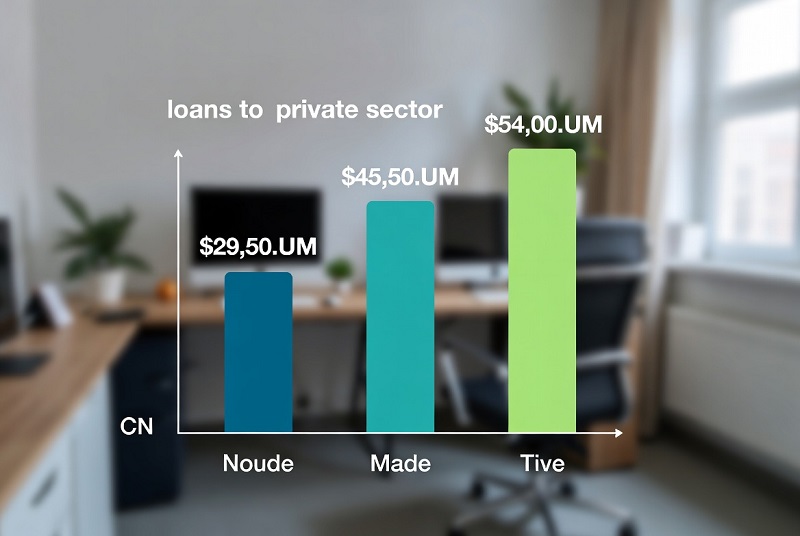
Private credit depth (bank lending to the private sector) This benchmark tracks how large bank credit to households and non-financial
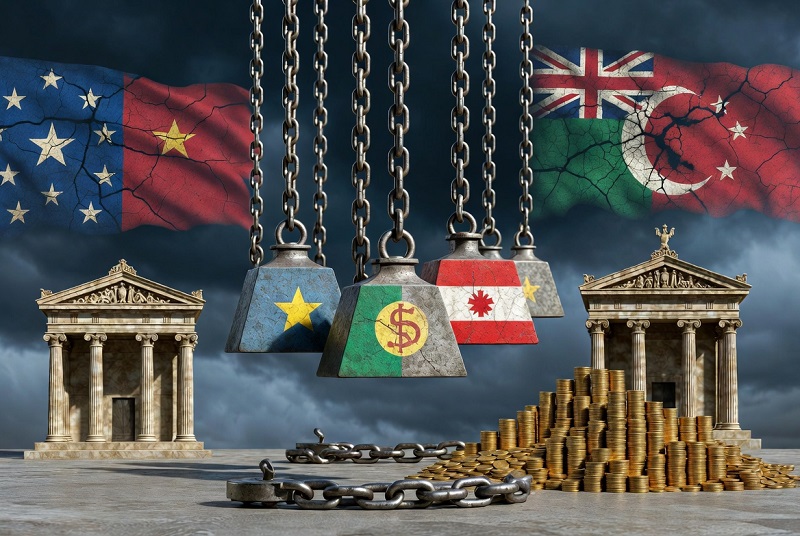
Metric: Interest payments (% of revenue) Snapshot: latest available year (often 2022–2024) Coverage: government reporting varies by country When interest

Economy · Prices · Monetary stability Inflation volatility is not the same as high inflation. A country can experience persistently
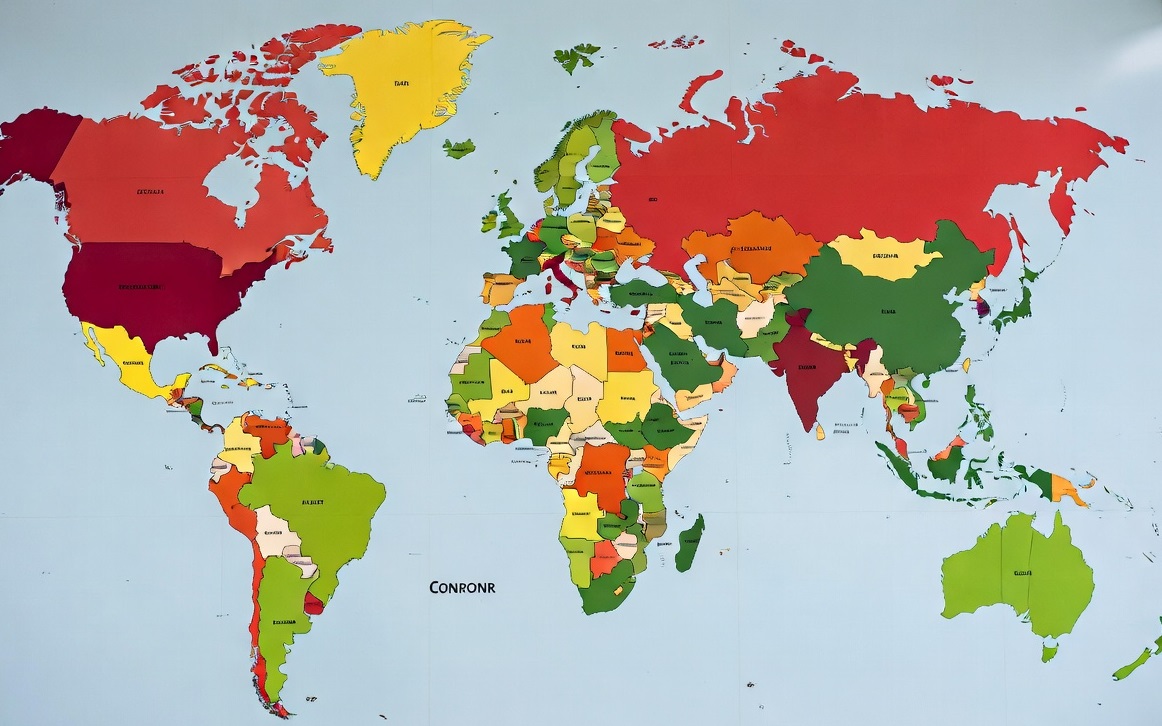
External sector · Balance of payments Countries by current account balance (% of GDP) — 2025 snapshot (latest full-year data
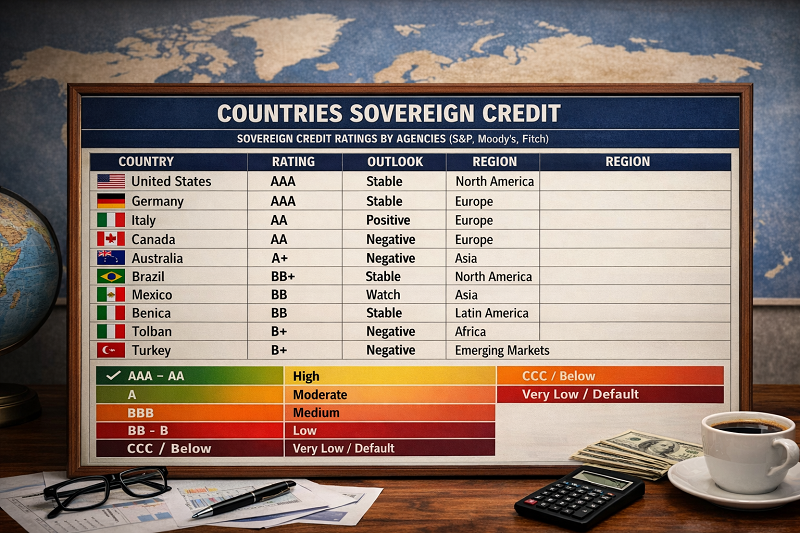
Snapshot date: February 15, 2026 Score: 0–100 (higher = stronger) Focus: long-term sovereign ratings (foreign-currency where available) What this ranking measures A sovereign

Finance · Macroeconomics · Reserve Assets Countries by Foreign Exchange Reserves — 2025 Ranking StatRanker Editorial March 26, 2026 Data:
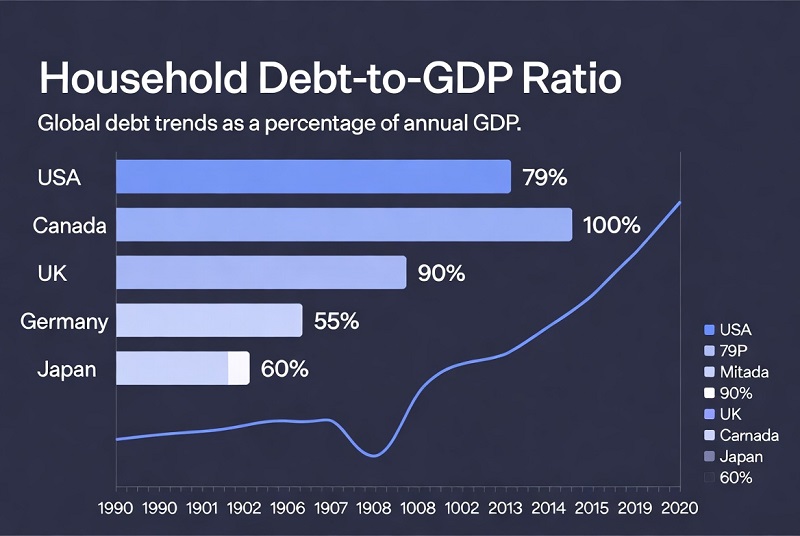
Metric: Household debt / GDP Unit: % of GDP Snapshot: 2025 (latest available quarter, BIS) Reference: Q2 2025 (end-of-quarter) What
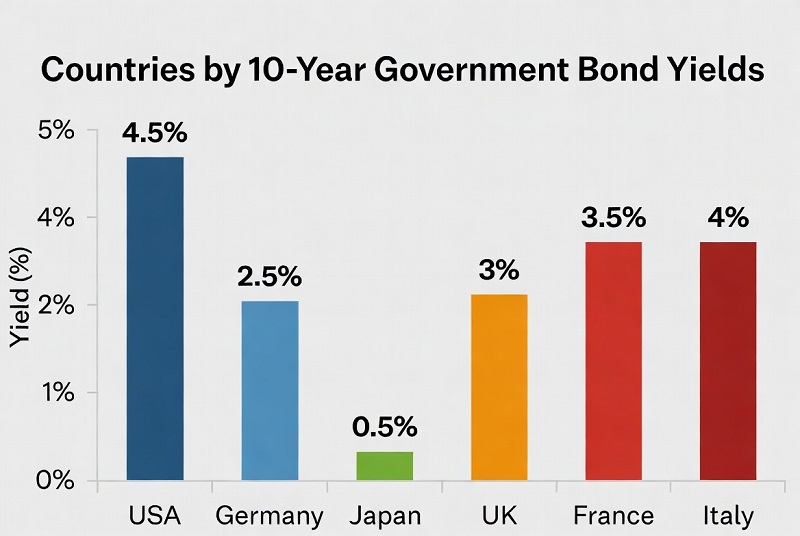
Sovereign yields · highest borrowing costs Countries by 10-year government bond yields (latest snapshot) A 10-year government bond yield is
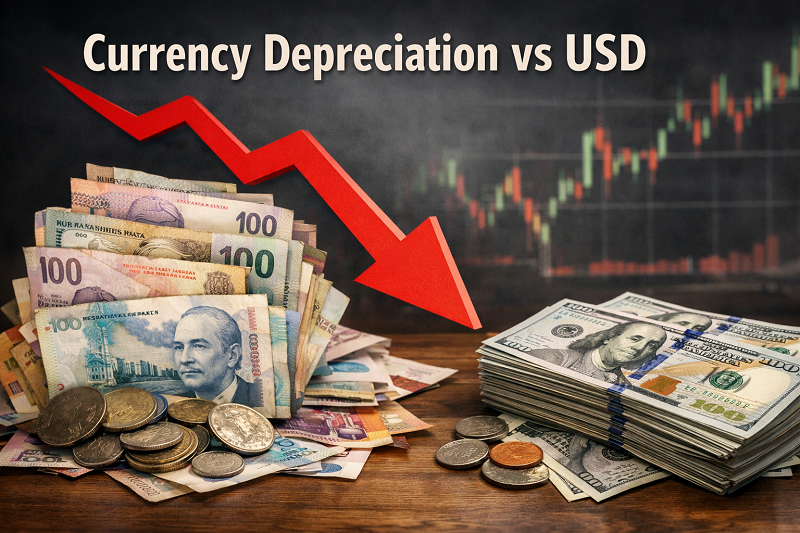
Global FX · Weakest currencies vs USD · Latest Feb 2026 snapshot Weakest Currencies Against the U.S. Dollar: Biggest Year-over-Year
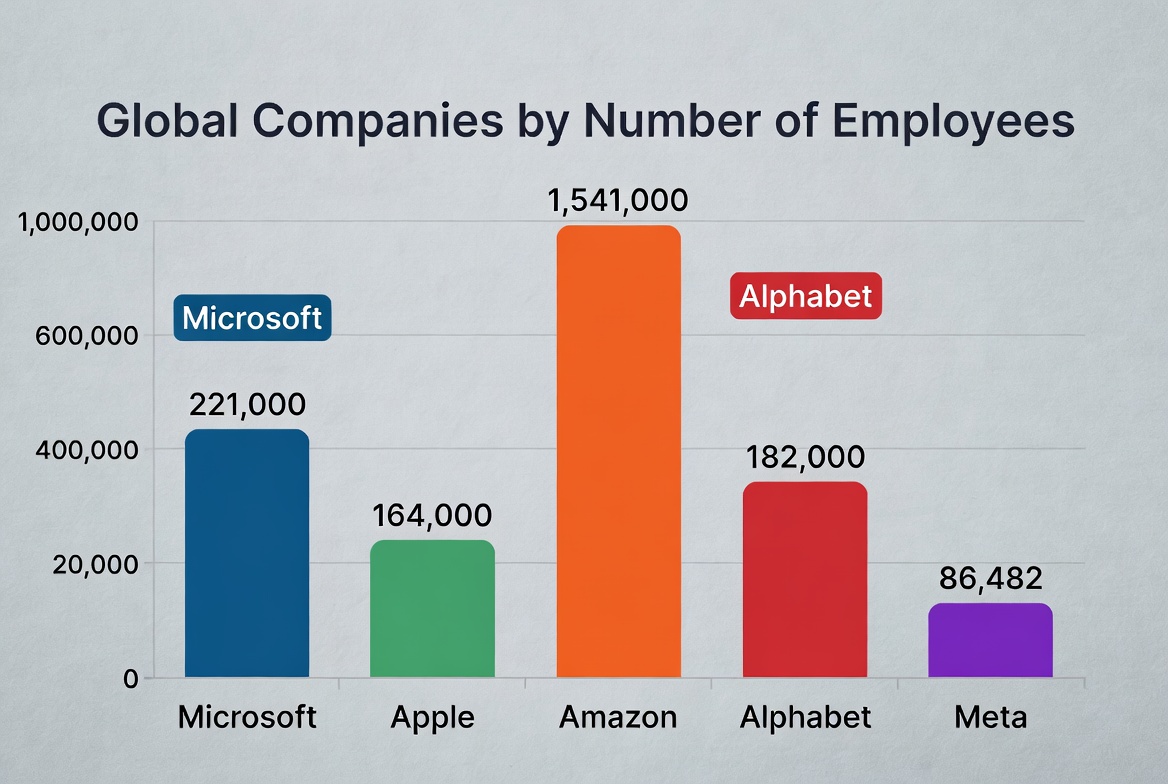
Largest employers • global public-company snapshot Employee headcount is a pure scale signal. It captures operating footprint, service capacity, and
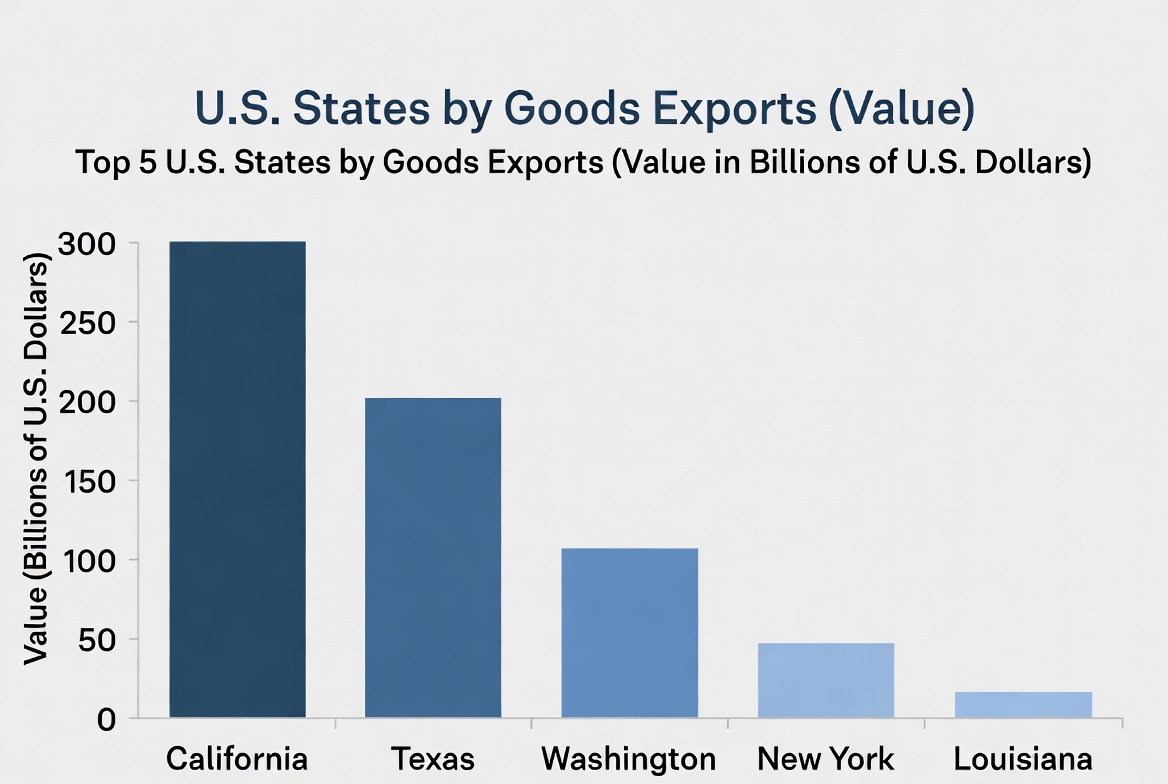
Ranking • State trade Metric: Goods exports (origin of movement) Latest full year in this snapshot: 2024 Units: USD billions (nominal) Updated: 2026-02-05 Where U.S. goods

Site managed by Oleksandr Isaienko (team lead; private entrepreneur) since 28 August 2025, registration code 133276738020, Ukraine.
Contact: info@statranker.org.
Technical infrastructure (hosting/server resources) is located in the United States; a CDN may be used to improve performance with edge locations in multiple countries.