Top 100 Countries by Share of Land in Protected Areas, 2025
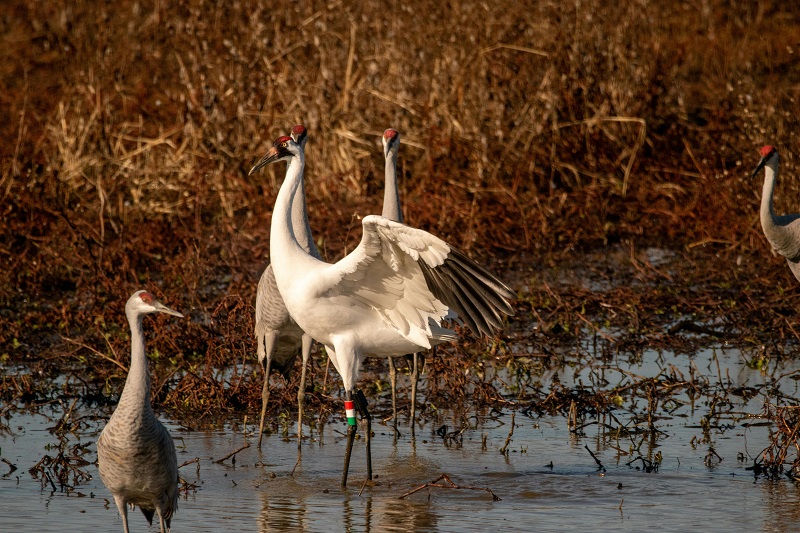
Protected land share by country and territory, latest World Bank data
This ranking compares terrestrial protected areas as a share of total land area. The relevant World Bank / WDI series is ER.LND.PTLD.ZS — Terrestrial protected areas (% of total land area).
Last updated: April 16, 2026. The table uses the latest World Bank values for ER.LND.PTLD.ZS. Values are dated 2025; the source metadata reports a World Bank update on April 8, 2026.
Measurement note: forest area, marine protection and total territorial protection are different indicators and should not be mixed with terrestrial protected land.
Methodology: what the indicator counts
The indicator measures terrestrial protected areas as a percentage of total land area. It includes nationally designated protected areas of at least 1,000 hectares whose location and extent are known in the World Database on Protected Areas.
Marine areas, unclassified areas, littoral areas and local or provincial sites outside the indicator definition are excluded. This means the indicator measures formal terrestrial coverage, not overall biodiversity quality, enforcement strength or total conservation impact.
The calculation relies on GIS processing of WDPA polygons and points, including buffered point records where polygon boundaries are unavailable. Country values can change when new sites are reported, boundaries are revised or metadata improve.
Reading notes for the ranking
The table uses one indicator only, excludes regional aggregates and records without values, and sorts countries and territories by the latest numeric World Bank value. Forest area, marine protection and total territorial protection are kept separate from this ranking.
Measurement note: this ranking uses terrestrial protected areas only. Forest area, marine protected areas and combined protected-area measures can produce different country orders.
| Point | How to read it | Why it matters |
|---|---|---|
| Indicator code | ER.LND.PTLD.ZS measures terrestrial protected areas as % of land area. | It keeps the ranking separate from forest area, marine protection and total territorial protection. |
| Latest year | The table uses the latest World Bank values returned for the indicator, dated 2025 in the source used for this update. | It aligns the table with the same source and same value year. |
| Country names | Country and territory names follow World Bank naming conventions. | This reduces confusion around territories, special administrative regions and country-code differences. |
| Ranking logic | Entries are sorted by protected-land share, from highest to lowest, after excluding regional aggregates and records without values. | The ranking remains transparent and reproducible. |
| Absolute area | This table reports percentages only. Protected km² should be calculated from a separate land-area series or official WDPA output. | It avoids mismatched denominators and false area estimates. |
| Quality caveat | Designation coverage does not prove enforcement, management effectiveness or biodiversity outcomes. | It prevents overclaiming from a simple coverage percentage. |
Table — Top 100 countries and territories by terrestrial protected land share
The table uses the latest World Bank values for ER.LND.PTLD.ZS. Values are dated 2025 and rounded to one decimal place.
| Rank | Country or territory | Protected land (%) | Year |
|---|---|---|---|
| 1 | Seychelles | 68.1% | 2025 |
| 2 | New Caledonia | 59.6% | 2025 |
| 3 | Venezuela, RB | 56.8% | 2025 |
| 4 | Bhutan | 51.6% | 2025 |
| 5 | Liechtenstein | 44.8% | 2025 |
| 6 | Bulgaria | 44.3% | 2025 |
| 7 | Turks and Caicos Islands | 43.5% | 2025 |
| 8 | Guinea | 42.6% | 2025 |
| 9 | Hong Kong SAR, China | 42.0% | 2025 |
| 10 | Greenland | 41.9% | 2025 |
| 11 | Zambia | 41.3% | 2025 |
| 12 | Slovenia | 40.4% | 2025 |
| 13 | Brunei Darussalam | 39.9% | 2025 |
| 14 | Namibia | 39.9% | 2025 |
| 15 | Tanzania | 39.9% | 2025 |
| 16 | Cambodia | 39.8% | 2025 |
| 17 | Poland | 39.6% | 2025 |
| 18 | Germany | 39.2% | 2025 |
| 19 | Luxembourg | 39.1% | 2025 |
| 20 | Armenia | 38.9% | 2025 |
| 21 | Cyprus | 38.6% | 2025 |
| 22 | Croatia | 38.4% | 2025 |
| 23 | Slovak Republic | 37.5% | 2025 |
| 24 | Belize | 37.3% | 2025 |
| 25 | Congo, Rep. | 36.6% | 2025 |
| 26 | Benin | 36.1% | 2025 |
| 27 | Greece | 35.0% | 2025 |
| 28 | Bahamas, The | 34.6% | 2025 |
| 29 | Comoros | 33.7% | 2025 |
| 30 | New Zealand | 33.4% | 2025 |
| 31 | Sao Tome and Principe | 31.7% | 2025 |
| 32 | Palau | 31.4% | 2025 |
| 33 | Panama | 31.4% | 2025 |
| 34 | Bolivia | 30.9% | 2025 |
| 35 | Sri Lanka | 30.8% | 2025 |
| 36 | Brazil | 30.6% | 2025 |
| 37 | Trinidad and Tobago | 30.6% | 2025 |
| 38 | Japan | 29.7% | 2025 |
| 39 | Austria | 29.6% | 2025 |
| 40 | Mozambique | 29.5% | 2025 |
| 41 | Malta | 29.0% | 2025 |
| 42 | North Macedonia | 29.0% | 2025 |
| 43 | Oman | 28.9% | 2025 |
| 44 | France | 28.8% | 2025 |
| 45 | United Kingdom | 28.4% | 2025 |
| 46 | Zimbabwe | 28.3% | 2025 |
| 47 | Spain | 28.1% | 2025 |
| 48 | Togo | 27.9% | 2025 |
| 49 | Botswana | 27.6% | 2025 |
| 50 | Israel | 27.6% | 2025 |
| 51 | Senegal | 27.5% | 2025 |
| 52 | Andorra | 27.3% | 2025 |
| 53 | Gibraltar | 27.0% | 2025 |
| 54 | Aruba | 26.9% | 2025 |
| 55 | Costa Rica | 26.6% | 2025 |
| 56 | Dominican Republic | 26.3% | 2025 |
| 57 | Guinea-Bissau | 26.2% | 2025 |
| 58 | Romania | 24.6% | 2025 |
| 59 | Ecuador | 23.8% | 2025 |
| 60 | Albania | 23.6% | 2025 |
| 61 | Nepal | 23.6% | 2025 |
| 62 | Lesotho | 23.4% | 2025 |
| 63 | Malawi | 23.1% | 2025 |
| 64 | Honduras | 23.0% | 2025 |
| 65 | Portugal | 23.0% | 2025 |
| 66 | Kiribati | 22.9% | 2025 |
| 67 | Netherlands | 22.9% | 2025 |
| 68 | Cote d'Ivoire | 22.9% | 2025 |
| 69 | Georgia | 22.8% | 2025 |
| 70 | Gabon | 22.6% | 2025 |
| 71 | St. Vincent and the Grenadines | 22.6% | 2025 |
| 72 | Tajikistan | 22.6% | 2025 |
| 73 | Hungary | 22.3% | 2025 |
| 74 | Montenegro | 22.2% | 2025 |
| 75 | Azerbaijan | 22.1% | 2025 |
| 76 | Peru | 22.1% | 2025 |
| 77 | Australia | 22.0% | 2025 |
| 78 | Czechia | 21.9% | 2025 |
| 79 | Chile | 21.6% | 2025 |
| 80 | Estonia | 21.6% | 2025 |
| 81 | Italy | 21.5% | 2025 |
| 82 | Dominica | 21.4% | 2025 |
| 83 | Nicaragua | 21.2% | 2025 |
| 84 | Chad | 21.0% | 2025 |
| 85 | Niger | 21.0% | 2025 |
| 86 | Iceland | 20.9% | 2025 |
| 87 | Monaco | 20.9% | 2025 |
| 88 | Tuvalu | 20.2% | 2025 |
| 89 | Guatemala | 20.1% | 2025 |
| 90 | Jamaica | 19.9% | 2025 |
| 91 | Mongolia | 19.8% | 2025 |
| 92 | United Arab Emirates | 19.2% | 2025 |
| 93 | Pakistan | 19.1% | 2025 |
| 94 | Equatorial Guinea | 19.0% | 2025 |
| 95 | Lao PDR | 18.8% | 2025 |
| 96 | Latvia | 18.8% | 2025 |
| 97 | Saudi Arabia | 18.5% | 2025 |
| 98 | Thailand | 18.4% | 2025 |
| 99 | St. Lucia | 18.2% | 2025 |
| 100 | Lithuania | 18.0% | 2025 |
Source: World Bank, indicator ER.LND.PTLD.ZS. Regional aggregates and records without values were excluded before sorting.
How to interpret protected-land coverage
Protected land share is useful because it is simple, comparable and connected to international reporting. It helps answer one basic question: how much of a country’s land has formal conservation designation.
Policy takeaway
- Use the percentage as a headline, then test quality: add indicators on connectivity, management effectiveness and biodiversity outcomes.
- Separate land and sea: terrestrial protected area, marine protected area and total territorial protection are different indicators.
- Watch the small-country effect: pair percentages with absolute km² only after checking the correct area denominator.
- Align with 30×30 responsibly: the global target stresses effective, equitable governance and integration into wider landscapes.
FAQ
Does a high protected-land share mean nature is well protected?
Not by itself. The share measures legal designation. Enforcement, funding, ecological connectivity and management effectiveness determine whether designation produces real biodiversity outcomes.
Why can protected-land rankings differ between sources?
Rankings can differ because sources may use different update dates, territory treatment, land-area denominators or protected-area definitions. Terrestrial, marine and combined protection should be compared separately.
Is marine protection included?
No. This page focuses on terrestrial protected areas. Marine protected areas require a separate metric and can produce very different rankings.
Why can figures change between releases?
Protected-area databases are updated as countries report new sites, revise boundaries or improve metadata. The World Bank source metadata reports an update on April 8, 2026, and the table uses values dated 2025 for this indicator.
How does this relate to 30×30?
The 30×30 target calls for at least 30% of land, inland waters and seas to be conserved by 2030. Coverage is only one part of that target; quality and equitable governance also matter.
Primary data sources and methodology notes
These sources provide definitions, update dates and downloadable series for country-level protected-area comparisons.
- World Bank — ER.LND.PTLD.ZSOfficial WDI indicator page for terrestrial protected areas as a share of total land area.
- World Bank latest values for ER.LND.PTLD.ZSSource used for the table: latest values for countries and territories, with regional aggregates and records without values excluded before sorting.
- World Bank DataBank metadataDefinition and methodology for terrestrial protected areas, including exclusions and GIS processing notes.
- Our World in Data — Share of land area that is protectedProcessed WDI/WDPA data page with CSV and metadata download links.
- Protected Planet — World Database on Protected AreasGlobal reference database for protected areas, managed by UNEP-WCMC with IUCN collaboration.
- Convention on Biological Diversity — Kunming–Montreal GBF Target 3Global target framing for conserving at least 30% of land, inland waters and seas by 2030.
Related rankings
Closely related StatRanker pages selected by topic. If no strong match exists, fewer links are shown instead of unrelated recommendations.