Top 100 Countries by Threatened Mammals and Birds
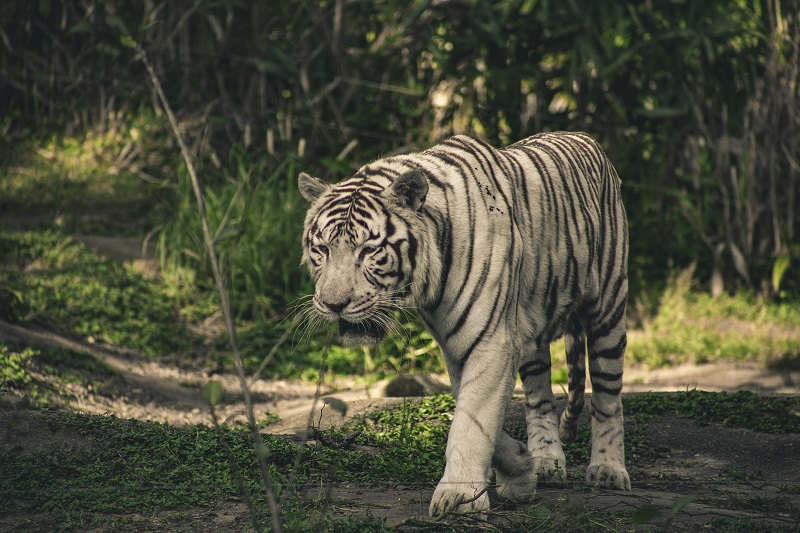
Countries by threatened mammals and birds, 2025
This ranking compares countries by the number of threatened mammal and bird species reported in World Bank WDI series derived from the IUCN Red List and UNEP-WCMC. The combined indicator adds threatened mammals and threatened birds, so the table should be read as a focused mammal-and-bird comparison rather than an all-taxa biodiversity total.
Thank you for reading this post, don't forget to subscribe!Important interpretation: a high count does not automatically mean a country has the worst conservation policy. Countries with very high biodiversity, island endemism or large tropical habitats can rank high because more species are present and more species are exposed to habitat loss, hunting, invasive species, disease and climate stress.
Top 10 countries by threatened mammals and birds
The top of the ranking is concentrated in large tropical countries and biodiversity-rich island systems. Indonesia, Brazil, Colombia, Peru and Madagascar combine very high species richness with intense pressure on habitats.
Continue exploring
More StatRanker pages connected by topic, category or ranking theme.
Top 100 Countries by Threatened Mammal and Bird Species Count, 2026 Snapshot
Open ranking| Rank | Country | Threatened mammals + birds |
|---|---|---|
| 1 | Indonesia | 373 |
| 2 | Brazil | 274 |
| 3 | Colombia | 218 |
| 4 | Peru | 215 |
| 5 | Madagascar | 206 |
| 6 | India | 191 |
| 7 | Mexico | 182 |
| 8 | Ecuador | 165 |
| 9 | China | 164 |
| 10 | Philippines | 163 |
Values are whole-species counts. The combined figure is calculated as threatened mammals plus threatened birds.
Chart 1 — Top 20 threatened mammals and birds combined
Top 100 countries — threatened mammals and birds
Search by country, sort the ranking, or switch between a Top 20 view and the full Top 100.
| Rank | Country | Threatened mammals + birds |
|---|---|---|
| 1 | Indonesia | 373 |
| 2 | Brazil | 274 |
| 3 | Colombia | 218 |
| 4 | Peru | 215 |
| 5 | Madagascar | 206 |
| 6 | India | 191 |
| 7 | Mexico | 182 |
| 8 | Ecuador | 165 |
| 9 | China | 164 |
| 10 | Philippines | 163 |
| 11 | Malaysia | 135 |
| 12 | Vietnam | 128 |
| 13 | Papua New Guinea | 127 |
| 14 | Australia | 124 |
| 15 | United States | 119 |
| 16 | Thailand | 118 |
| 17 | Tanzania | 116 |
| 18 | New Zealand | 114 |
| 19 | Myanmar | 112 |
| 20 | South Africa | 111 |
| 21 | Venezuela | 108 |
| 22 | Argentina | 101 |
| 23 | Kenya | 97 |
| 24 | Bolivia | 96 |
| 25 | Cameroon | 93 |
| 26 | Japan | 93 |
| 27 | Sri Lanka | 91 |
| 28 | Russian Federation | 81 |
| 29 | Nepal | 79 |
| 30 | Costa Rica | 78 |
| 31 | Panama | 77 |
| 32 | Uganda | 77 |
| 33 | Bangladesh | 76 |
| 34 | Pakistan | 75 |
| 35 | Ethiopia | 74 |
| 36 | Iran | 73 |
| 37 | Mozambique | 72 |
| 38 | Lao PDR | 71 |
| 39 | Cambodia | 70 |
| 40 | Gabon | 69 |
| 41 | Congo, Rep. | 68 |
| 42 | Angola | 67 |
| 43 | Nigeria | 66 |
| 44 | Chile | 65 |
| 45 | Guatemala | 64 |
| 46 | Nicaragua | 63 |
| 47 | Honduras | 62 |
| 48 | Paraguay | 61 |
| 49 | Cuba | 60 |
| 50 | Dominican Republic | 59 |
| 51 | Namibia | 59 |
| 52 | Jamaica | 58 |
| 53 | Zambia | 58 |
| 54 | Haiti | 56 |
| 55 | Zimbabwe | 56 |
| 56 | Fiji | 55 |
| 57 | Solomon Islands | 54 |
| 58 | Botswana | 53 |
| 59 | Ghana | 52 |
| 60 | Côte d’Ivoire | 51 |
| 61 | Vanuatu | 51 |
| 62 | Liberia | 50 |
| 63 | Guyana | 49 |
| 64 | Sierra Leone | 48 |
| 65 | Guinea | 47 |
| 66 | Senegal | 46 |
| 67 | Morocco | 45 |
| 68 | Egypt | 44 |
| 69 | Suriname | 44 |
| 70 | Turkey | 44 |
| 71 | Greece | 43 |
| 72 | Spain | 42 |
| 73 | Portugal | 40 |
| 74 | France | 39 |
| 75 | Timor-Leste | 39 |
| 76 | Italy | 38 |
| 77 | Algeria | 35 |
| 78 | Samoa | 35 |
| 79 | Trinidad and Tobago | 35 |
| 80 | United Kingdom | 35 |
| 81 | Bhutan | 34 |
| 82 | Canada | 34 |
| 83 | Micronesia, Fed. Sts. | 34 |
| 84 | Germany | 33 |
| 85 | Palau | 32 |
| 86 | Poland | 31 |
| 87 | Romania | 31 |
| 88 | Brunei Darussalam | 30 |
| 89 | Comoros | 30 |
| 90 | Saudi Arabia | 30 |
| 91 | Ukraine | 30 |
| 92 | Bahamas | 29 |
| 93 | Korea, Rep. | 29 |
| 94 | Yemen | 29 |
| 95 | Afghanistan | 28 |
| 96 | Iraq | 28 |
| 97 | Korea, Dem. People's Rep. | 27 |
| 98 | Mongolia | 27 |
| 99 | Israel | 26 |
| 100 | Jordan | 24 |
Source basis: World Bank WDI indicators EN.MAM.THRD.NO and EN.BIR.THRD.NO, derived from the IUCN Red List and UNEP-WCMC. Values are latest available country observations in the current series.
Top 20 split — threatened mammals vs threatened birds
The split helps show whether a country’s combined total is mostly mammal pressure, bird pressure, or both.
| Rank | Country | Threatened mammals | Threatened birds |
|---|---|---|---|
| 1 | Indonesia | 212 | 161 |
| 2 | Brazil | 102 | 172 |
| 3 | Colombia | 78 | 140 |
| 4 | Peru | 92 | 123 |
| 5 | Madagascar | 120 | 86 |
| 6 | India | 99 | 92 |
| 7 | Mexico | 100 | 82 |
| 8 | Ecuador | 61 | 104 |
| 9 | China | 85 | 79 |
| 10 | Philippines | 47 | 116 |
| 11 | Malaysia | 71 | 64 |
| 12 | Vietnam | 73 | 55 |
| 13 | Papua New Guinea | 55 | 72 |
| 14 | Australia | 68 | 56 |
| 15 | United States | 43 | 76 |
| 16 | Thailand | 60 | 58 |
| 17 | Tanzania | 52 | 64 |
| 18 | New Zealand | 25 | 89 |
| 19 | Myanmar | 63 | 49 |
| 20 | South Africa | 55 | 56 |
Chart 2 — threatened mammals vs threatened birds
Methodology
The ranking uses two World Bank World Development Indicators derived from the IUCN Red List and UNEP-WCMC: EN.MAM.THRD.NO for threatened mammal species and EN.BIR.THRD.NO for threatened bird species. The combined score is the sum of those two counts for each country.
This ranking uses the latest available WDI/IUCN observations in the current series as a 2025 publication snapshot. The source pages show a 2017–2022 range for these country indicators, with the latest values generally ending in 2022. Values are not population-adjusted or land-area-adjusted; this is an absolute species-count ranking.
Limitations: the table covers mammals and birds only. Fish, amphibians, reptiles, insects and other invertebrates are outside this ranking. Cross-country comparisons are also affected by assessment coverage, monitoring intensity and the fact that birds are assigned to countries within breeding or wintering ranges.
Insights
The upper part of the ranking is dominated by countries with large tropical ecosystems, island endemism or both. Indonesia and Brazil stand out because they combine exceptional species richness with extensive land-use pressure. Colombia and Peru reflect the same Andean-Amazonian pattern: many species, many narrow ranges and major habitat gradients.
The middle of the ranking includes countries where the combined count is driven by one group more than the other. Island and coastal systems often show stronger bird pressure, while large continental forests and savannas can push mammal counts higher. This split matters because the policy response is different: invasive-species control may be decisive for islands, while habitat corridors and anti-poaching enforcement may be more important for large mammals.
What this means for readers
For readers, the ranking is most useful as a map of conservation workload. It helps identify where many threatened mammal and bird species overlap with development pressure, habitat conversion and monitoring needs. It should not be read as a simple league table of environmental failure.
- For conservation planning: high-count countries need strong protected-area design, enforcement and habitat connectivity.
- For education and media: the table helps explain why biodiversity-rich countries often carry the largest absolute risk burden.
- For donors and researchers: mammal-bird splits can help target field surveys, anti-poaching work, wetland protection and invasive-species control.
FAQ
Is this a ranking of all endangered animal species?
No. It is a country ranking based on threatened mammals plus threatened birds. Other animal groups are outside the table.
Why use “threatened” instead of only “endangered”?
The IUCN Red List commonly groups Vulnerable, Endangered and Critically Endangered species as threatened. This gives a broader view of extinction risk than the Endangered category alone.
Why do biodiverse countries rank so high?
They have more species overall, including more endemic and narrow-range species. More biodiversity means more species can be exposed to land-use change, hunting, invasive species and climate stress.
Can a country reduce its count quickly?
Usually not. Red List assessments change when species status, evidence and assessment cycles change. Real conservation gains may take years to appear in global indicators.
Sources
- IUCN Red List of Threatened Species — definitions and species assessment framework. https://www.iucnredlist.org/
- IUCN Red List Categories and Criteria — technical basis for VU, EN and CR categories. https://www.iucnredlist.org/resources/categories-and-criteria
- World Bank WDI: threatened mammals — EN.MAM.THRD.NO. https://data.worldbank.org/indicator/EN.MAM.THRD.NO
- World Bank WDI: threatened birds — EN.BIR.THRD.NO. https://data.worldbank.org/indicator/EN.BIR.THRD.NO
- Our World in Data biodiversity grapher pages — processed IUCN/World Bank metadata and methodological notes. https://ourworldindata.org/grapher/threatened-mammal-species
Related rankings
More StatRanker pages connected by topic, category or ranking theme.
Top 100 Countries by Threatened Mammal and Bird Species Count, 2026 Snapshot
Open ranking
StatRanker (Website)
administrator