


Top 10 Countries for Global Electric Turbine Production in 2025
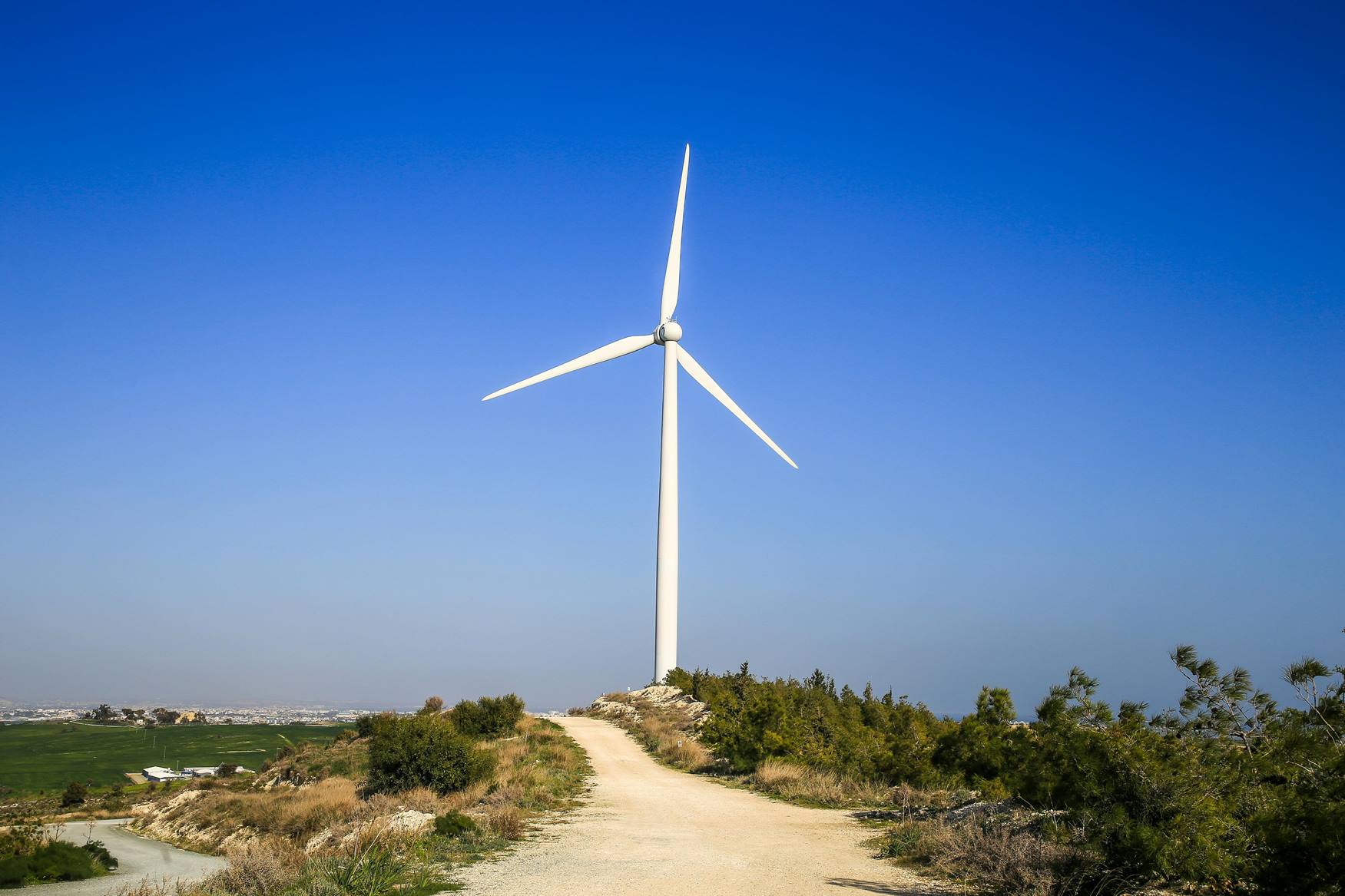
Electric turbine manufacturing remains one of the clearest industrial markers of energy-system strength. Countries that lead in this field usually combine large-scale engineering, deep supplier networks, export capacity, and domestic demand across wind, gas, steam, hydro, or nuclear turbine segments. In 2025, the market is no longer defined by one technology alone. Wind manufacturing is moving fast, but heavy-duty gas and steam turbines still matter because utilities need flexibility, grid stability, and firm generation alongside renewable build-out.
Thank you for reading this post, don't forget to subscribe!The ranking below reflects overall manufacturing ecosystem strength rather than a single artificial output metric. That matters because there is no one global database that reports fully comparable 2025 turbine production volumes by country across every segment. The most reliable picture comes from combining current wind-supplier data, gas-turbine market concentration, industrial footprints, and the presence of large turbine manufacturers with real equipment in global use.
Top 10 countries in 2025
China leads by a wide margin because it combines manufacturing volume, domestic demand, export reach, and a dense industrial base. It is strongest in wind, but its broader power-equipment ecosystem also supports scale in related turbine segments.
The United States stays near the top because it remains central to heavy-duty gas turbines and still matters in wind equipment, services, and project execution. It is one of the few markets where turbine manufacturing strength is supported by a very large domestic power sector.
Germany remains one of the strongest turbine countries in Europe. Its position rests on long-established engineering capabilities, industrial credibility in large gas turbines, and a continuing role in wind equipment and power-plant technology.
Denmark remains indispensable to the global wind market because Vestas is still one of the defining names in turbine design, manufacturing, and service. The country is smaller than other leaders, but its strategic weight is far above its size.
Spain keeps a top-tier position because it remains deeply tied to global wind engineering and industrial execution. The country’s role is anchored by Siemens Gamesa and by a long-established wind manufacturing ecosystem.
Japan stays in the first tier because Mitsubishi Power remains one of the most important global gas turbine suppliers. Japan’s wider industrial base and energy-security focus support long-term relevance in turbine manufacturing.
India’s position has strengthened because the domestic wind market is expanding again and the country has enough scale to support a meaningful manufacturing platform. That makes India one of the most important non-Western turbine markets outside China.
France earns a place because it combines relevance in large gas turbines with a major position in nuclear steam-turbine technology. That broader industrial footprint gives it more depth than countries that are strong only in offshore deployment.
South Korea is increasingly important because its heavy-industry base supports both conventional power equipment and offshore-related manufacturing. Doosan Enerbility strengthens Korea’s standing in gas turbine development and deployment.
Italy rounds out the ranking through a narrower but still real industrial strength in heavy-duty gas turbines. It is not the largest turbine country, but it remains one of the few places with a serious independent platform in this segment.
Table 1. Top 10 countries by electric turbine manufacturing strength in 2025
| Rank | Country | Main strength | Why it ranks here |
|---|---|---|---|
| 1 | China | Wind turbine scale and supplier concentration | Largest combined advantage in OEM presence, domestic demand, and manufacturing depth. |
| 2 | United States | Gas turbines, utility-scale power equipment, service network | Strong across multiple turbine-related segments, backed by a very large home market. |
| 3 | Germany | Gas, steam, and wind engineering | Retains deep industrial credibility in high-value turbine technologies. |
| 4 | Denmark | Wind turbines | Vestas keeps Denmark structurally central to the global wind industry. |
| 5 | Spain | Wind manufacturing and engineering | Strong historic base and continued relevance through Siemens Gamesa. |
| 6 | Japan | Heavy-duty gas turbines | Home to one of the most important global gas turbine manufacturers. |
| 7 | India | Domestic wind expansion and local turbine base | Growing installed base and a strengthening manufacturing platform. |
| 8 | France | Gas turbines and nuclear steam turbines | Broad industrial footprint in major turbine technologies. |
| 9 | South Korea | Gas turbines and heavy industrial crossover | Industrial capability supports both conventional power equipment and offshore supply chains. |
| 10 | Italy | Heavy-duty gas turbines | Maintains a real position in advanced large-turbine manufacturing. |
Update basis: 2025 ranking built from the latest available 2024–2026 evidence on wind supplier positions, gas turbine concentration, installed market depth, and official manufacturer footprints.
Methodology
The ranking uses a manufacturing ecosystem approach. It does not rely on a single invented number for “electric turbine output,” because no international dataset reports fully comparable country-level production volumes for wind, gas, steam, hydro, and nuclear turbines together. Instead, the ranking combines several measurable signals: current wind OEM positioning, concentration in gas turbine supply, depth of domestic turbine manufacturing, industrial specialization, and the existence of major producers with globally deployed equipment.
Wind is the most transparent segment because GWEC regularly reports supplier performance and cumulative installation rankings. Gas turbines are more concentrated and are best assessed through current global project pipelines and official manufacturer positions. Steam and nuclear turbine relevance is evaluated through the countries that still host large industrial platforms with real installed equipment and ongoing manufacturing capability. This method is more defensible than mixing old electricity-generation numbers, legacy market-share tables, and policy slogans into one false production ranking.
The evidence window is mainly 2024 through early 2026. That makes the page current enough for a 2025 snapshot while avoiding outdated comparisons. The ranking remains analytical, not statistical in the narrow sense, and should be read as a structured industrial assessment rather than as an official production census.
Insights
The clearest pattern is concentration. China is not merely first; it is structurally ahead in wind manufacturing because it combines supplier density, scale, and demand. The next tier is different in character. The United States, Germany, and Japan remain strong because they matter in high-value heavy turbines and long-cycle power equipment, not only in renewable deployment. Denmark and Spain show that a country can remain globally influential through specialized wind leadership even without the industrial mass of the largest economies.
Another important pattern is the split between deployment leadership and manufacturing leadership. A country can be a large renewable market without hosting a broad turbine manufacturing base. That is why industrial rankings cannot be built from installed capacity alone. France and South Korea stand out because they keep meaningful turbine manufacturing relevance through industrial depth rather than just project volume. India stands out for a different reason: it is moving upward because the domestic market is large enough to support a more durable local manufacturing base.
The lower part of the top 10 is narrower and more specialized than the top tier. Italy, for example, remains relevant because a focused heavy-duty turbine capability still matters in a market where very few countries retain that kind of industrial platform. In other words, not every leader has to be broad to matter globally, but the broadest ecosystems still dominate the ranking.
What this means for the reader
This ranking matters because turbine manufacturing is about more than factory output. It tells you which countries control difficult industrial processes, which power markets can rely more on domestic equipment, and which economies are positioned to benefit from long-term investment in energy infrastructure. For readers who follow energy, manufacturing, trade, or industrial policy, turbine leadership is a useful signal of strategic capacity.
For investors, the ranking helps frame where supply chains, service contracts, and long-cycle equipment demand are concentrated. For policymakers, it highlights which countries can translate the energy transition into industrial advantage rather than simply import finished hardware. For general readers, it clarifies why the energy transition does not automatically erase the importance of gas and steam turbine know-how. A grid with more wind and solar still needs balancing, replacement equipment, maintenance, and industrial capability.
The practical takeaway is simple: the most influential turbine countries are not always the ones with the loudest energy headlines. The leaders are the places where engineering depth, manufacturing continuity, and real project execution still exist at scale.
FAQ
Why does the ranking use manufacturing strength instead of one exact production number?
Because no single global dataset measures all turbine types by country on one comparable basis. A manufacturing ecosystem ranking gives a cleaner and more realistic picture than a false precise number built from mismatched sources.
Why is China so far ahead in 2025?
China combines a very large domestic market with a concentration of major wind turbine suppliers and a deep industrial base. That mix gives it scale advantages that are difficult for other countries to match.
Why are gas turbine countries still high in the ranking if renewables are expanding?
Because gas turbines still matter for flexibility, backup generation, combined-cycle plants, and power-system stability. Countries that retain this industrial capability continue to matter in global turbine manufacturing.
Why is France included in the top 10?
France remains relevant because it combines gas turbine manufacturing with a major position in nuclear steam-turbine technology. That broader industrial base gives it more depth than countries that are strong mainly in project deployment.
Why is India moving up?
India’s domestic wind market has been expanding again, and that supports local manufacturing. A country with growing installed capacity and an active industrial base can become more important very quickly in this sector.
Does a strong offshore wind market automatically make a country a top turbine manufacturer?
No. Offshore deployment strength helps, but it is not the same as having a broad turbine manufacturing platform. Industrial depth, OEM presence, and the ability to produce or integrate major equipment still matter most.
Sources
-
GWEC Supply Side Data 2024. Main source for current wind turbine supplier rankings, annual installations, and cumulative OEM positioning.
https://marketintelligence.gwec.net/wp-content/uploads/2025/05/GWEC-Supply-Side-Data-2024-_-final.pdf -
IRENA Renewable Capacity Statistics 2025. Global renewable capacity context through the end of 2024.
https://www.irena.org/Publications/2025/Mar/Renewable-capacity-statistics-2025 -
Global Energy Monitor, Global Oil and Gas Plant Tracker, January 2026. Current concentration in gas-turbine supply for power projects in development.
https://globalenergymonitor.org/wp-content/uploads/2026/01/GEM-Global-Oil-Gas-Plant-Tracker-January-2026.pdf -
Ministry of New and Renewable Energy, India. India’s wind progress and cumulative installed capacity as of March 31, 2026.
https://mnre.gov.in/en/physical-progress/ -
Vestas official site. Corporate and product reference for Denmark’s continuing wind leadership.
https://www.vestas.com/en -
Siemens Gamesa corporate information. Official headquarters and corporate identity in Spain.
https://www.siemensgamesa.com/global/en/home/general/corporate-information.html -
GE Vernova gas turbines. Official reference for gas turbine portfolio and global installed base.
https://www.gevernova.com/gas-power/products/gas-turbines -
Siemens Energy gas turbines. Official reference for Germany’s continued gas turbine role.
https://www.siemens-energy.com/global/en/home/products-services/product-offerings/gas-turbines.html -
Mitsubishi Power gas turbines. Official reference for Japan’s heavy-duty turbine capability.
https://power.mhi.com/products/gasturbines -
Doosan Enerbility. Official reference for South Korea’s gas turbine and power-equipment platform.
https://www.doosanenerbility.com/en/business/gas_turbine_product -
Ansaldo Energia. Official reference for Italy’s heavy-duty gas turbine specialization.
https://www.ansaldoenergia.com/offering/equipment/turbomachinery/heavy-duty-gas-turbine -
Arabelle Solutions. Official reference for France’s nuclear steam-turbine industrial base.
https://www.arabellesolutions.com/en
Last factual review: April 8, 2026.

StatRanker (Website)
administrator