Top-10 battery-manufacturing countries by 2030 announced capacity (GWh)
Top-10 Countries by Battery Manufacturing Capacity (GWh) — Announced for 2030
Nameplate lithium-ion cell capacity (EV and stationary). “Announced 2030” combines operational, committed, and announced projects from public trackers.
| # | Country | Announced 2030 (GWh) | Key Cell Makers (examples) |
|---|---|---|---|
| 1 | China | 6,268 | CATL, BYD, CALB |
| 2 | United States | 1,261 | Tesla, LGES, SK On |
| 3 | Germany | 262 | Tesla, Northvolt, VW |
| 4 | Hungary | 210 | CATL, SK On, Samsung SDI |
| 5 | Canada | 204 | Northvolt, LGES, VW JV |
| 6 | France | 162 | ACC, Verkor, ProLogium |
| 7 | Sweden | 157 | Northvolt |
| 8 | Poland | 148 | LGES |
| 9 | Spain | 136 | ACC/Stellantis, Envision AESC |
| 10 | United Kingdom | 136 | Tata Agratas, AESC |
Announced Battery Manufacturing Capacity by 2030 (GWh)
Scale: 0–6,500 GWh (ticks every 1,000). Values shown at bar ends.
Operational vs 2030 Pipeline
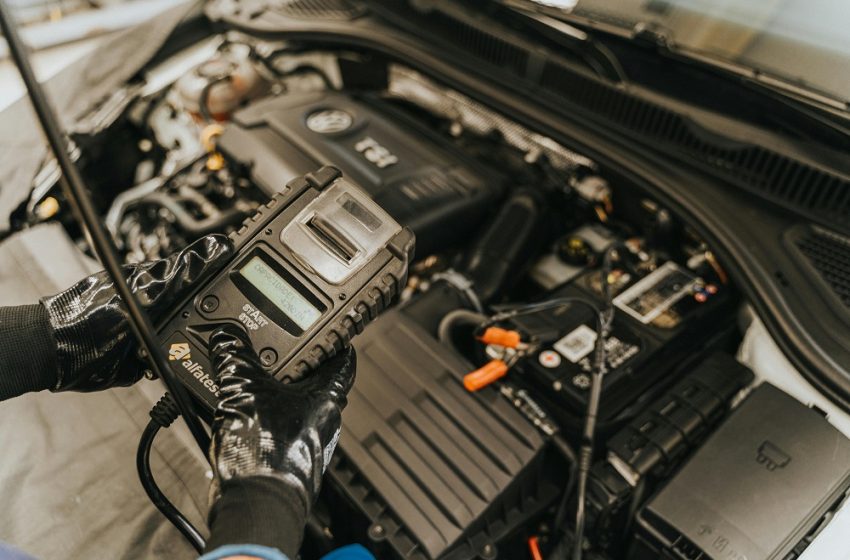
Operational 2024–2025. Global lithium-ion cell nameplate capacity passed ~3 TWh in 2024, with China hosting the majority of installed lines. The U.S. is accelerating on federal incentives; Europe advances through several national clusters, with some timelines adjusted to demand and energy costs.
Announced for 2030. China remains the anchor (~6.3 TWh announced). The United States is second (~1.26 TWh). Europe’s leaders are Germany and Hungary; Canada, France, Sweden, Poland, Spain and the UK complete the Top-10. Announced totals are pipelines; conversion depends on FIDs, permits, grid access and offtakes.
Technology & Siting
- Chemistry: LFP rises for mass-market EVs and stationary storage; NMC holds where high energy density is required. Sodium-ion emerges but stays small by 2030.
- Location drivers: Proximity to auto plants, clean power, logistics, incentives and workforce depth.
Key Risks
- EV-demand elasticity can shift ramp schedules by several quarters.
- Project attrition and resizing over multi-year horizons.
- Supply-chain localization rules and lifecycle-CO₂ reporting accelerate regional materials and recycling capacity.
Sources
• International Energy Agency (Global EV Outlook 2024/2025 notes on battery capacity and market balance).
• Benchmark Mineral Intelligence — country totals for 2030 announced capacity; Visual Capitalist roundups based on BMI data.
• Reuters / Financial Times / Electrive / Autoweek — reports on U.S. and EU gigafactory announcements, adjustments and ramp progress.