
Top 10 Countries Leading Global Thermal Insulation Panels Production in 2025
Thermal insulation panels are critical components in modern construction, industrial, and automotive sectors to minimize heat transfer and improve energy efficiency. These panels, including vacuum insulation panels (VIPs), polyurethane (PUR) panels, and mineral wool-based panels, are becoming increasingly important as global demand for sustainable building materials grows. In 2025, the global thermal insulation market is projected to grow from $35.59 billion to $51.55 billion by 2032, driven by stringent energy efficiency regulations and rapid urbanization. This article examines the top 10 countries leading the production of thermal insulation panels in 2025, supported by data, trends, and innovations shaping the industry. Key terms such as thermal insulation panels, energy efficiency, and sustainable construction are central to understanding this dynamic market.
Global Market Overview
The thermal insulation panel industry is experiencing robust growth, fueled by the global push to conserve energy and reduce carbon emissions. According to industry reports, the building insulation market alone is expected to reach $38.33 billion in 2025, with a compound annual growth rate (CAGR) of 4.5% through 2032. Key drivers include government regulations such as the International Energy Conservation Code (IECC) in North America and green building codes in Europe, as well as innovations such as aerogels and phase change materials (PCMs). Top producing countries are using advanced manufacturing, strategic acquisitions, and sustainable materials to dominate the market.
Top 10 countries in thermal insulation panel production
1. About China
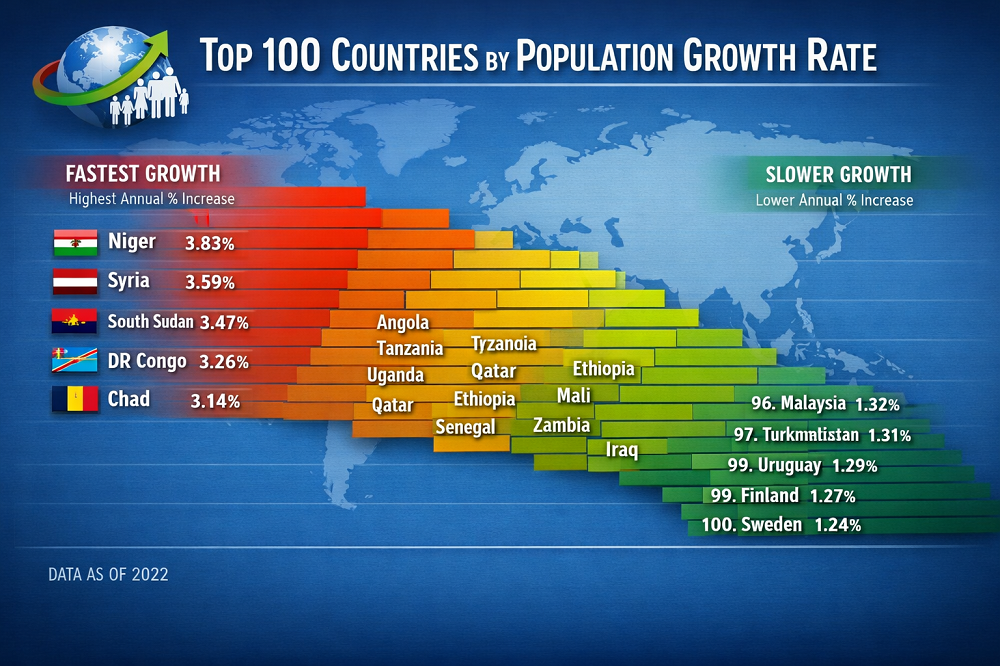
China leads the world in the production of thermal insulation panels, driven by its massive construction sector and industrial output. By 2025, China will account for approximately 35% of the global thermal insulation market, producing large quantities of polyurethane, expanded polystyrene (EPS) and vacuum insulation panels. Companies such as FUDATEC, with over a decade of experience in XPS and EPS panels, are supplying major infrastructure projects. Rapid urbanization, with a population growth rate of 0.91% per year, is driving demand for residential and commercial buildings. China’s focus on green building initiatives aligns with its 2060 net-zero emissions goal, boosting production capacity.
2. The United States
The U.S. is a key player with an estimated market share of 20% in 2025. Major manufacturers such as Owens Corning and Johns Manville produce fiberglass, mineral wool, and polyisocyanurate boards to serve the USD 7.60 billion U.S. building insulation market. Stringent regulations, such as LEED certification, are driving demand, particularly in retrofit and new construction. The U.S. benefits from 42 manufacturing facilities in 33 countries, ensuring a robust supply chain for insulation panels.
3. GERMANY
Germany dominates the European market, contributing significantly to the region’s 34.9% share of the global building insulation market in 2024. Companies such as BASF and Knauf Insulation produce high-performance panels, including aerogels and rigid foam panels. Germany’s target of 100 GW of solar capacity by 2030 indirectly supports demand for insulation panels for energy-efficient buildings. The country’s focus on sustainable construction and innovations such as the Weesow-Willmersdorf solar project are enhancing its production capabilities.
4. JAPAN
Japan’s advanced manufacturing sector produces high-quality insulation panels, particularly for residential applications. With a solar capacity of 89,077 MW in 2023, Japan is integrating insulation panels into energy-efficient buildings to support its 2050 net-zero goal. Companies such as Asahi Kasei are leaders in the production of polyurethane and polystyrene panels, driven by government subsidies and mandatory solar panel installations in Tokyo homes starting in 2025.
5. South Korea
South Korea’s thermal insulation panel production is growing at a CAGR of 6%, supported by its Renewable Portfolio Standard and a solar capacity of 24 GW by 2022. Manufacturers are focusing on lightweight, high-efficiency panels for industrial and residential applications. The country’s emphasis on green buildings and a target of 20% renewable energy by 2030 is driving production, particularly for PUR and mineral wool panels.
6. United Kingdom
The UK has a significant share of the European insulation market, with a solar capacity of 17GW by 2022. Companies such as Kingspan and ROCKWOOL produce stone wool and PIR panels, supported by stringent green building regulations. The UK’s focus on retrofitting existing structures and innovations such as floating solar projects are increasing demand for advanced insulation panels.
7. France
France is a rising star in insulation panel production, with a focus on innovative materials such as aerogels and VIPs. The country’s 2025 floating solar power project (74.3 MW) underscores its commitment to energy efficiency, driving demand for insulation panels. Major players such as Saint-Gobain are leaders in the production of mineral wool and foam panels, serving both the residential and commercial sectors.
8. INDIA
India’s rapid urbanization and infrastructure growth make it a key producer, with a projected CAGR of 5.6% in the thermal insulation market. Companies such as Supreme Industries produce EPS and XPS panels for residential and industrial applications. Government initiatives for energy-efficient buildings and a growing middle class are driving production growth.
9. Canada
Canada’s insulation panel production is driven by its cold climate and strict building codes. Manufacturers such as Owens Corning and ROCKWOOL focus on fiberglass and rock mineral wool panels, which account for 10% of the North American market. The country’s emphasis on energy conservation in the residential and industrial sectors supports steady production growth.
10. MEXICO
Mexico’s thermal insulation panel production is expanding, with 9.36 GW of solar capacity in 2022 and plans for 10 GW more by 2028. The country’s sunny climate is driving demand for insulation panels in energy-efficient buildings. Local manufacturers produce EPS and PUR panels, supported by government incentives such as tax benefits for sustainable construction.
Key trends and innovations
Several trends are shaping the global thermal insulation market:
- Sustainability: Bio-based materials such as hemp and cellulose are gaining traction, reducing environmental impact.
- Advanced Materials: Aerogels and VIPs offer superior thermal resistance, ideal for space-constrained applications.
- Regulatory Push: Stringent energy efficiency regulations in North America and Europe are driving demand for high-performance panels.
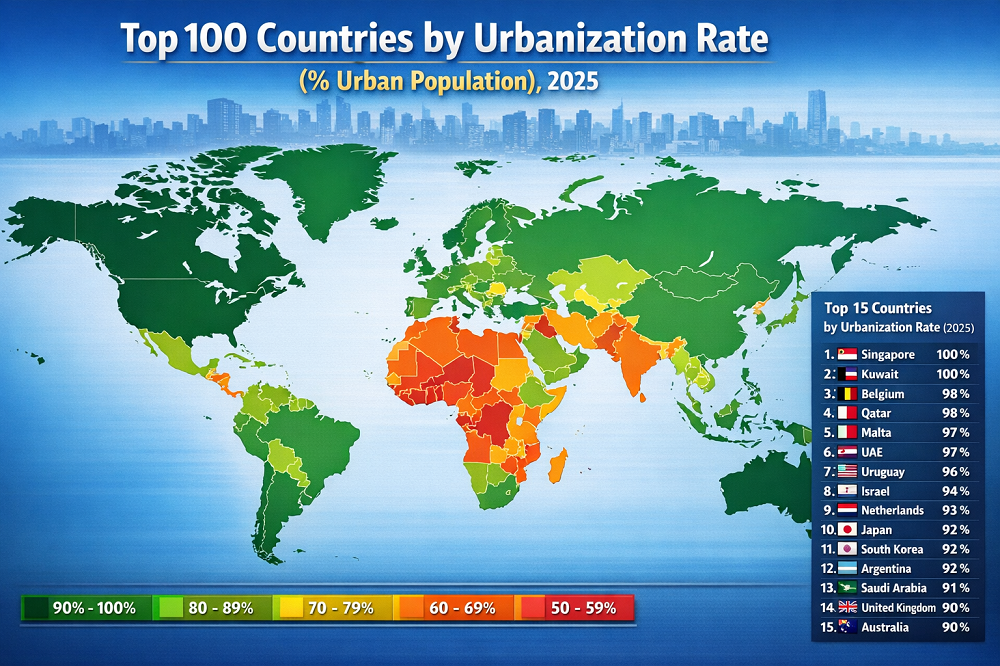
- Urbanization: Rapid urban growth in the Asia-Pacific region, particularly in China and India, is increasing manufacturing capacity.
Market Data and Analysis
Table 1: Top 10 Countries by Thermal Insulation Panel Production (2025)
Rank | Country | Market Share (%) | Key Materials Produced | Major Manufacturers |
1 | China | 35 | PUR, EPS, VIPs | FUDATEC, BASF |
2 | United States | 20 | Fiberglass, Mineral Wool, PIR | Owens Corning, Johns Manville |
3 | Germany | 15 | Aerogels, Rigid Foam | BASF, Knauf Insulation |
4 | Japan | 8 | PUR, Polystyrene | Asahi Kasei, Sekisui Chemical |
5 | South Korea | 6 | PUR, Mineral Wool | Local manufacturers, Saint-Gobain |
6 | United Kingdom | 5 | Stone Wool, PIR | Kingspan, ROCKWOOL |
7 | France | 4 | Aerogels, VIPs | Saint-Gobain, SOPREMA |
8 | India | 3 | EPS, XPS | Supreme Industries, Kingspan |
9 | Canada | 2 | Fiberglass, Stone Wool | Owens Corning, ROCKWOOL |
10 | Mexico | 2 | EPS, PUR | Local manufacturers |
Source: Compiled from industry reports, including Markets and Data (2025) and Grand View Research (2024).
Table 2: Projected Market Growth by Region (2025-2032)
Region | Market Size 2025 (USD Bn) | CAGR (%) | Key Drivers |
Asia-Pacific | 18.83 | 5.6 | Urbanization, Infrastructure Growth |
North America | 15.65 | 4.7 | Energy Efficiency Regulations |
Europe | 13.30 | 4.5 | Green Building Codes |
Latin America | 2.50 | 3.3 | Emerging Construction Markets |
Source: Future Market Insights (2025).
Key industry players
Major global players dominate the thermal insulation panels market:
- Owens Corning: Operates 42 facilities worldwide, focusing on fiberglass and sustainable solutions.
- Saint-Gobain: Specializes in mineral wool and PUR panels, with a strong presence in Europe and Asia Pacific.
- Kingspan Group: Known for high performance PIR panels, with over 212 manufacturing facilities.
- ROCKWOOL: Leading producer of stone wool with a focus on fire resistance and sustainability.
- BASF: Innovating with aerogels and rigid foam panels, serving a variety of industries.
Together, these companies hold more than 50% of the global market share, using R&D and acquisitions to maintain their dominance.
Challenges and Opportunities
Challenges & Opportunities
- Raw material costs: Fluctuating prices for fibers, silicon, and polymers affect profit margins.
- Environmental regulations: Stringent standards require investment in environmentally friendly materials.
- Labor Shortages: The post-COVID recovery highlighted labor shortages in production.
Opportunities
- Green building trends: Demand for bio-based and recyclable panels is creating new markets.
- Technological Advances: Innovations such as nanotechnology and PCMs improve panel performance.
- Emerging Markets: Latin America and the Middle East offer growth potential as construction sectors develop.
Regional Insights
Asia Pacific
Asia-Pacific, led by China and India, holds a 49.12% market share in 2023, driven by urbanization and infrastructure investment. The region’s CAGR of 5.6% reflects strong growth potential through 2032.
North America
North America, particularly the U.S. and Canada, will account for 40.9% of the global market in 2025. Regulatory frameworks and a mature construction sector are driving production.
EUROPE
Europe’s 34.9% market share in 2024 is supported by green building regulations and innovation in Germany, the United Kingdom, and France. The region’s focus on sustainability supports steady growth.
Conclusion
The thermal insulation panel industry is poised for significant growth in 2025, driven by global demand for energy-efficient and sustainable solutions. China, the U.S., and Germany lead production, supported by advanced manufacturing and regulatory frameworks. Emerging markets like India and Mexico, alongside innovations in materials like aerogels and VIPs, are shaping the future of the industry. As urbanization and environmental concerns intensify, the top 10 countries will continue to drive advancements in thermal insulation panel production, ensuring energy efficiency and sustainability for future generations.