Top 10 Countries for Fennel Production in 2025: A Comprehensive Analysis
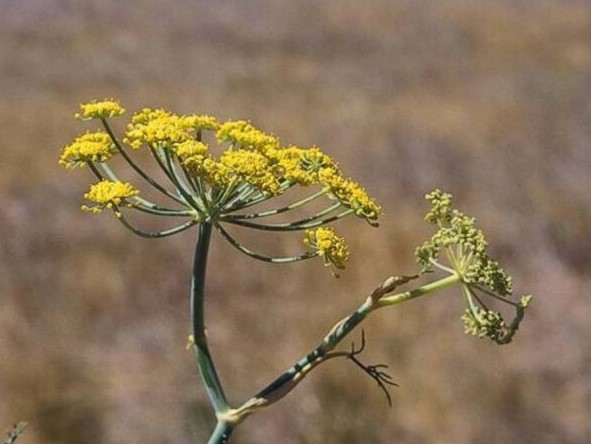
Fennel (Foeniculum vulgare), a perennial herb of the carrot family, is prized for its aromatic seeds, flavorful bulb, and feathery leaves, which are used in culinary, medicinal, and cosmetic applications worldwide. Its licorice-like flavor and nutritional benefits, including high fiber, potassium, and vitamins A and C, have driven global demand. In 2025, the fennel industry continues to grow, fueled by increasing consumer interest in healthy diets, sustainable agriculture, and diverse culinary traditions. This article examines the top 10 fennel-producing countries in 2025, providing detailed insights into production volumes, agricultural practices, and market dynamics, supported by statistical data and expert commentary.
Global Fennel Production Overview
Global fennel production has grown steadily over the past decade, driven by increasing demand for fennel seeds and bulbs in the food, beverage, and pharmaceutical industries. According to estimates based on trends from the Food and Agriculture Organization (FAO) and industry reports, global fennel production is projected to reach approximately 280,000 metric tons in 2025, a 12% increase from the estimated 250,000 metric tons in 2020. India dominates the market, followed by a mix of traditional and emerging producers. The top 10 countries account for over 95% of global fennel production, with Asia and the Mediterranean region leading due to favorable climates and established agricultural systems.
Fennel is grown for both its seeds and bulbs, with Florence fennel (Foeniculum vulgare Azoricum) particularly prized for its edible bulb-like stem base. The crop thrives in temperate and Mediterranean climates and requires well-drained soils and moderate rainfall. Advances in hybrid varieties and sustainable farming practices have increased yields, particularly in countries such as India and Italy. However, challenges such as climate change, pest pressure and price volatility continue to shape the industry outlook.
“Fennel’s versatility as both a spice and a vegetable makes it a high-value crop for farmers. Its resilience and adaptability to diverse climates ensure its continued importance in global agriculture,” says Dr. Maria Schiappa, an agronomist specializing in Umbelliferae crops.
Top 10 fennel producing countries in 2025
Below is a detailed analysis of the top 10 fennel-producing countries in 2025, based on estimated production volumes and agricultural trends.
1. India.
Production (2025): 145,000 metric tons India remains the undisputed leader in fennel production, accounting for approximately 52% of global production in 2025. The states of Rajasthan, Gujarat, Uttar Pradesh, and Punjab are the primary production centers, benefiting from arid climates and sandy soils ideal for growing fennel seed. In fiscal year 2023, India produced an estimated 137,000 metric tons, with continued growth through 2025 driven by increased export demand and improved hybrid varieties. Fennel seeds are a key ingredient in Indian cuisine, used in spice blends such as panch phoran, and are exported to markets in the United States, European Union, and the Middle East.
2. Egypt
Production (2025): 30,000 metric tons Egypt ranks second, with fennel production concentrated in the Nile Delta and Upper Egypt. The country’s warm climate and fertile soils support high-quality fennel seeds and bulbs. Egypt is a major exporter, supplying the United States, Germany, and Brazil. In 2020, Egypt contributed to the global fennel trade with an export volume of around 10,000 metric tons, and this figure is expected to grow by 10% by 2025 due to increased investment in agricultural infrastructure.
3. China
Production (2025): 25,000 metric tons China’s fennel production is concentrated in provinces such as Shandong and Gansu, where fennel is grown for both domestic consumption and export. The country’s focus on fennel seed is in line with its use in traditional Chinese medicine and cuisine, particularly in five-spice powder. China’s production has grown steadily, supported by government initiatives to modernize agriculture.
4. Turkey
Production (2025): 20,000 metric tons Turkey’s fennel production, mainly in the Aegean and Mediterranean regions, benefits from a climate suitable for both bulb and seed varieties. In 2022, Turkey produced 292,000 metric tons of anise, badian, fennel and coriander combined, with fennel accounting for a significant portion. Turkey’s exports are targeted at Europe and the Middle East, with a focus on organic fennel to meet the growing demand for sustainable products.
5. Syria
Production (2025): 18,000 metric tons Despite the challenges of political instability, Syria remains a significant producer of fennel, particularly in the Aleppo and Hama regions. The country’s fennel seed production is export-oriented, with key markets in the Middle East and Europe. However, production is expected to decline by 3.65% in 2023 due to ongoing conflicts, although reconstruction efforts are expected to stabilize production in 2025.
6. Fennel Italy
Production (2025): 15,000 metric tons Italy is a leading producer of Florence fennel, prized for its bulb, which is used in Mediterranean cuisine. The southern regions, particularly Puglia and Sicily, produce high-quality fennel due to mild winters and fertile soils. Italian fennel production has increased by 15% in the last 15 years, driven by hybrid varieties and consumer demand for fresh fennel.
“Italy’s focus on high-yielding F1 hybrid fennel varieties has transformed the industry, enabling year-round production and superior quality,” says Dr. Luca Pallottini, a fennel breeding expert.
7. Spain
Production (2025): 12,000 metric tons Spain’s fennel production, centered in Catalonia and Valencia, focuses on both seed and bulbs. The country’s Mediterranean climate supports consistent yields, and Spain is a major supplier to the European market. Organic fennel production is gaining traction, with a 5% increase in organic fennel area by 2020.
8. Iran
Production (2025): 10,000 metric tons Iran’s fennel production is concentrated in the Khorasan region, where fennel seeds are used in traditional Persian cuisine and herbal remedies. The country’s production has grown modestly, supported by smallholder farmers and increasing export demand to neighboring countries.
9. Pakistan
Production (2025): 8,000 metric tons Pakistan’s fennel production, mainly in Punjab and Sindh, meets domestic culinary needs and exports to the Middle East. The country’s arid climate is well suited to growing fennel seed, although yields are limited by outdated farming practices. Investment in modern irrigation is expected to increase production by 8% by 2025.
10. Bulgaria
Production (2025): 6,000 metric tons Bulgaria rounds out the top 10, with fennel production concentrated in the Plovdiv region. The country’s temperate climate supports both seed and bulb varieties, and Bulgaria is an emerging exporter to the European Union. Production has increased by 10 percent since 2014, driven by improved agricultural techniques.
Production Data Table
The following table summarizes the estimated fennel production volumes for 2025, along with the percentage of global production for each country.
Rank | Country | Production (Metric Tons) | % of Global Production |
1 | India | 145,000 | 51.8% |
2 | Egypt | 30,000 | 10.7% |
3 | China | 25,000 | 8.9% |
4 | Turkey | 20,000 | 7.1% |
5 | Syria | 18,000 | 6.4% |
6 | Italy | 15,000 | 5.4% |
7 | Spain | 12,000 | 4.3% |
8 | Iran | 10,000 | 3.6% |
9 | Pakistan | 8,000 | 2.9% |
10 | Bulgaria | 6,000 | 2.1% |
Source: Estimates based on FAO data, industry reports, and regional agricultural statistics (2020–2025).
Market dynamics and challenges
The global fennel market is projected to grow at a compound annual growth rate (CAGR) of 4.5% from 2025 to 2030, driven by rising demand for natural flavors and herbal remedies. Major exporters such as India and Egypt benefit from strong trade networks, while the United States and the European Union are the largest importers. In 2020, the global fennel trade was valued at approximately $100 million and is expected to reach $130 million by 2025. essfeed.com
However, the industry faces challenges, including climate-related risks and pest pressure. In India, erratic monsoons have occasionally disrupted production, while in Egypt water scarcity is a threat. Sustainable farming practices, such as drip irrigation and organic farming, are being adopted to mitigate these issues. In addition, price volatility in the global spice market affects smallholder farmers, particularly in countries such as Pakistan and Iran.
“Sustainability is critical to the future of the fennel industry. Farmers need to adopt climate-resilient practices to maintain yields in the face of changing weather patterns,” says Dr. Ahmed Farouk, an agricultural economist based in Cairo. essfeed.com
Regional Insights and Innovations
Asia
Asia dominates fennel production, with India, China, and Pakistan collectively accounting for over 60% of global output. India’s leadership is bolstered by its vast agricultural land and government support for spice exports. China’s focus on fennel in traditional medicine drives domestic demand, while Pakistan is investing in modern farming techniques to increase yields.
Mediterranean Region
The Mediterranean region, including Egypt, Turkey, Italy, and Spain, benefits from ideal growing conditions and a long history of fennel cultivation. Italy and Spain are leaders in Florence fennel production, catering to Europe’s demand for fresh vegetables. Egypt and Turkey, meanwhile, focus on seeds for export markets.
Emerging Trends
Innovations in fennel breeding, such as F1 hybrid varieties, have improved yields and disease resistance. In Italy, 90–95% of professional growers now use hybrid varieties, resulting in a 20% yield increase since the 1990s. Additionally, organic fennel production is growing, particularly in Spain and Bulgaria, driven by consumer preferences for sustainable products.seedworld.com
Key Takeaway
Global fennel production is a dynamic interplay of tradition and innovation. While India leads with its vast production, countries like Egypt and Italy are carving out niches in high-quality seed and bulb production, respectively. The future of the industry depends on sustainable practices and technological advances to meet growing global demand.
Economic and Cultural Importance
Fennel has significant economic and cultural value. In India, fennel seeds are an integral part of culinary traditions, used in curries, breads and desserts. In the Mediterranean, fennel bulbs are a staple in salads and roasted dishes. The herb’s medicinal properties, including its use as a digestive and anti-inflammatory agent, add to its global appeal.
The fennel trade supports millions of farmers, particularly in India, where more than 2 million smallholder farmers grow the spice. Fennel export revenues contribute to rural economies, with India earning approximately $60 million annually from fennel seed exports. eximtutor.com
Conclusion.
The top 10 fennel-producing countries in 2025-India, Egypt, China, Turkey, Syria, Italy, Spain, Iran, Pakistan, and Bulgaria-demonstrate the crop’s global importance. India’s dominance is unmatched, but other nations contribute unique strengths, from Egypt’s export prowess to Italy’s focus on high-quality bulbs. With global production projected to reach 280,000 metric tons, the fennel industry is poised for growth, driven by culinary demand, health trends and agricultural innovation. However, addressing challenges such as climate change and price volatility will be critical to sustaining this growth. The data and trends outlined in this article underscore the continued importance of fennel in global agriculture.