

TOP 10 Countries by Electricity from Renewables (2025)
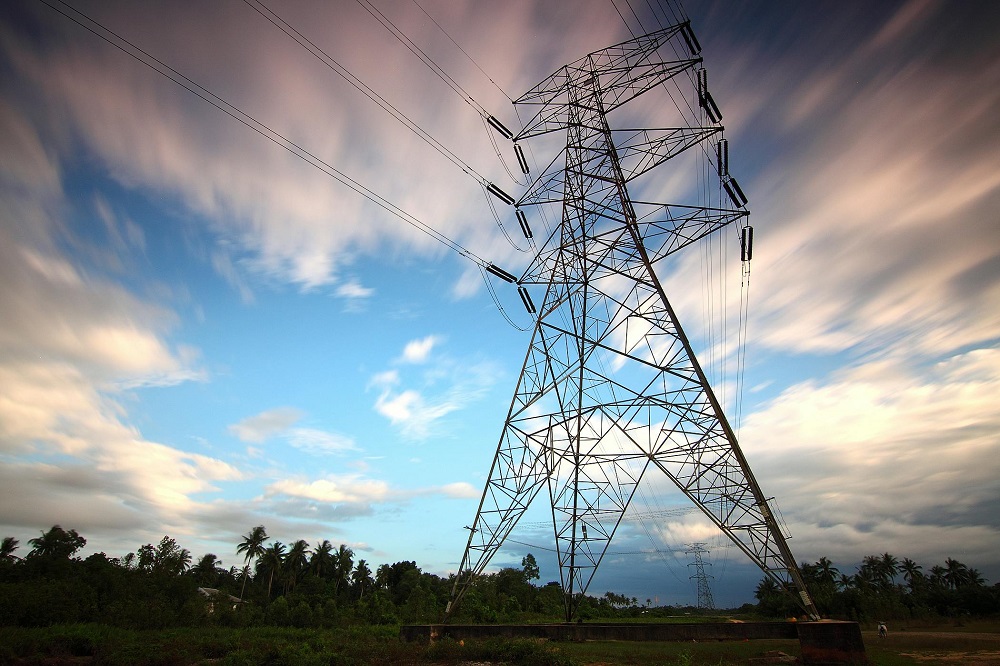
Top 10 countries where renewables already supply most grid electricity (2025 snapshot)
This ranking highlights power systems where renewable sources deliver the bulk of domestic electricity generation. The indicator is the share of a country’s electricity generated from hydro, wind, solar, geothermal, and sustainable bioenergy. These are the grids where fossil generation is structurally marginal rather than the default.
In high-share systems, annual percentages can move by a few points due to rainfall and reservoir levels, demand swings, maintenance cycles, and cross-border flows. That is why the Top 10 is presented in rounded bands and interpreted as “renewables are structurally dominant,” not as a perfectly fixed decimal.
Interpretation: this is a generation share (power-sector structure), not total energy use and not economy-wide decarbonization.
Continue exploring
More StatRanker pages connected by topic, category or ranking theme.
Countries by Nuclear Share of Electricity Generation, 2026 Snapshot
Open rankingTop 100 Countries by Manufacturing Value Added
Open rankingTop 100 Defense Companies by Revenue, 2026 Snapshot
Open rankingWhy this indicator matters
Electricity generation is one of the largest drivers of energy-related CO₂ emissions. A country that supplies most of its power from renewables typically gains three structural advantages: lower power-sector emissions, reduced exposure to fossil fuel price shocks, and more predictable long-run operating costs once the capital stock (dams, wind fleets, geothermal plants, grids) is built.
A clean grid does not automatically mean a clean economy: transport, heating, and industry can still depend heavily on oil, gas, or coal.
Top 10 countries by renewable share of electricity (2025 snapshot)
Large hydropower dominates. Sustained surplus can support exports and regional balancing, with performance tied to hydrology.
Diversified renewables with strong wind build-out. Thermal units mainly cover stress years and peak reliability needs.
Near-100% hydropower grid. The key vulnerability is drought: dry years can force imports or thermal backup.
Hydropower backbone on Himalayan rivers. Exports can be economically significant, while drought and seasonality still matter.
Fast hydropower expansion supports a shift away from diesel and imports, with reliability shaped by grid and balancing investment.
Two-pillar model: hydropower plus geothermal. Firm clean power supports energy-intensive industry and data infrastructure.
Hydropower dominates, complemented by wind and early solar. Expansion plans target reliability and regional power trade.
Very large hydropower potential and high renewable share in generation. The strategic challenge is scaling access and grids.
Hydro, geothermal, and wind anchor the system. Shares can dip in drought years and then recover as hydrology normalizes.
Reservoir hydro provides flexibility, paired with wind and strong cross-border links. Market flows can affect annual shares.
Table 1. Top 10 renewable electricity leaders (bands + visual midpoint)
| Rank | Country | Renewables share (band) | Band midpoint (for charts) |
|---|---|---|---|
| 1 | Paraguay | ≈ 99–100% | 99.5% |
| 2 | Uruguay | ≈ 98–99% | 98.5% |
| 3 | Albania | ≈ 98–100% | 99.0% |
| 4 | Bhutan | ≈ 99–100% | 99.5% |
| 5 | Nepal | ≈ 95–100% | 97.5% |
| 6 | Iceland | ≈ 99–100% | 99.5% |
| 7 | Ethiopia | ≈ 95–98% | 96.5% |
| 8 | DR Congo | ≈ 97–100% | 98.5% |
| 9 | Costa Rica | ≈ 95–99% | 97.0% |
| 10 | Norway | ≈ 88–92% | 90.0% |
Midpoints are used only for visualization so bands can be compared in a single chart. They are not a replacement for the underlying annual series.
Chart 1. Renewable share of electricity (band midpoint, visualization helper)
Bars use the midpoint of each band (e.g., 99–100% → 99.5%) to make the ranking visually comparable. Read this as a structure signal: renewables are dominant and fossil generation is marginal.
Fallback is shown if Chart.js is blocked or fails to load. Values are the same midpoints as Table 1.
Patterns behind the numbers (what the leaders have in common)
Across the top performers, one structural pattern dominates: dispatchable renewables. Hydropower reservoirs and geothermal plants provide controllable output, which makes it easier to operate a grid with very low fossil generation while keeping reliability high.
Where wind and solar are material, the system usually invests heavily in flexibility: grid reinforcement, interconnectors, storage, demand response, and clear market rules for balancing. In practice, the “hard part” is often not building renewables, but building the system around them so clean power remains dependable in all seasons.
Weather risk still exists: drought can temporarily lift fossil generation or raise imports even in “clean grid” champions.
Methodology (how this ranking is built)
Metric: the share of electricity generated from renewables (%).
Renewables definition: hydro, wind, solar, geothermal, sustainable bioenergy (as reported in major international electricity datasets).
Data window: the latest year available for each country (mostly 2022–2024), presented as a 2025 snapshot to reflect the current structure of the power mix.
Approach: countries are selected where renewables are consistently dominant across multiple years. Values are expressed as rounded bands because hydro-heavy systems can swing with rainfall, and interconnected systems can shift with imports/exports.
Interpretation guardrails: the ranking is about generation share (domestic electricity produced), not total energy consumption, not economy-wide emissions, and not a claim that power-sector emissions are literally zero. “≈100%” should be read as “renewables are structurally dominant,” acknowledging that small amounts of thermal generation may exist for backup, reserves, or unusual hydrology years.
Insights (what stands out in the 2025 snapshot)
First, the Top 10 is heavily shaped by resource endowments: large river basins (hydro) and volcanic geology (geothermal) remain the fastest pathways to 90–100% renewable electricity. That does not make replication impossible elsewhere, but it changes the engineering: systems without large hydro or geothermal must lean harder on wind/solar plus storage and interconnection.
Second, the most durable clean grids tend to pair renewables with flexibility assets. Uruguay’s portfolio illustrates the point: diversified renewables plus dispatchable hydro and clear balancing arrangements reduce the chance that a single weather shock forces a fossil rebound. Norway’s “reservoir battery” model shows how hydro storage plus interconnectors can provide system-level value beyond national borders.
Third, several leaders face an under-discussed constraint: transmission and access. A country can have a renewable-dominant generation mix while still struggling to extend reliable electricity to all households and industries. In those cases, the policy challenge is not only generation, but grids, distribution, and finance that scale clean access without locking in thermal capacity.
What this means for readers (how to use the ranking)
Use this ranking as a signal of power-sector structure. A near-renewable grid usually implies lower power-related emissions and, over time, a smaller exposure to imported fossil fuel volatility. For investors and analysts, it can also signal where electrification (EVs, heat pumps, green hydrogen pilots) may have a stronger emissions payoff per kilowatt-hour.
When comparing countries, ask two follow-ups: (1) how variable is the renewable backbone (drought sensitivity, wind seasonality), and (2) how is reliability maintained (storage, interconnectors, flexible demand, backup units). The highest shares are most meaningful when paired with strong system balancing and transparent market rules.
FAQ (plain-language questions)
What counts as “renewable electricity” here?
Electricity generated from hydro, wind, solar, geothermal, and sustainable bioenergy. The focus is strictly the power mix, not total energy use.
Does “~100% renewable electricity” mean “zero emissions”?
Not necessarily. Some thermal generation can remain for reserves, backup, or unusual hydrology years. Also, economy-wide emissions depend on transport,
heating, and industry fuels.
Why do hydropower countries dominate the top?
Reservoir hydro is a dispatchable renewable: it can follow demand and provide balancing services. That makes very high renewable shares easier to sustain
than systems relying mainly on variable wind and solar without sufficient flexibility.
Is the ranking based on generation or consumption (imports/exports)?
It is based on the share of domestic electricity generation. In interconnected markets, cross-border flows can still influence annual outcomes and the
practical carbon footprint of consumption.
What can make a country’s renewable share drop for a year or two?
Drought (lower hydro output), unusual demand growth, outages or maintenance, and shifting import/export patterns. In hydro-heavy systems, rainfall can move
annual shares by several points.
How do these grids stay reliable with so little fossil generation?
The common tools are dispatchable renewables (hydro/geothermal), strong transmission, interconnectors, storage, and demand response—plus limited thermal
capacity kept for exceptional stress events.
Compare the Top 10: bands, midpoints, and grid model
This panel turns the Top 10 into a compact comparison tool. You can search by country, filter by region and system model, and sort by the visualization midpoint used in the chart. The goal is to keep the interpretation grounded in how these grids actually run: dispatchable renewables (hydro/geothermal) versus diversified portfolios and interconnection-driven balancing.
The table is fully visible without JavaScript. With JS enabled, search/filter/sort improve navigation only.
Table 2. Top 10 comparison (interactive)
| Rank | Country | Renewables share | Grid model |
|---|---|---|---|
| 1 | Paraguay | ≈ 99–100% (mid: 99.5) | Hydro-dominant |
| 2 | Uruguay | ≈ 98–99% (mid: 98.5) | Diversified |
| 3 | Albania | ≈ 98–100% (mid: 99.0) | Hydro-dominant |
| 4 | Bhutan | ≈ 99–100% (mid: 99.5) | Hydro-dominant |
| 5 | Nepal | ≈ 95–100% (mid: 97.5) | Hydro-dominant |
| 6 | Iceland | ≈ 99–100% (mid: 99.5) | Hydro + geothermal |
| 7 | Ethiopia | ≈ 95–98% (mid: 96.5) | Hydro-dominant |
| 8 | DR Congo | ≈ 97–100% (mid: 98.5) | Hydro-dominant |
| 9 | Costa Rica | ≈ 95–99% (mid: 97.0) | Hydro + geothermal |
| 10 | Norway | ≈ 88–92% (mid: 90.0) | Reservoir + interconnectors |
“Midpoint %” is the chart helper value derived from each band; use it only to compare the Top 10 visually.
Figure 2. Renewable share vs diversification score (qualitative)
This scatter plot links the band midpoint with a simple qualitative diversification score derived from the described grid model: 1 = hydro-dominant, 2 = two-pillar (hydro + geothermal), 3 = diversified portfolio, 4 = reservoir + interconnector flexibility. It is not a physics model; it is a visual way to separate “how clean” from “how flexible.”
Chart fallback is shown if Chart.js is blocked or fails to load.
- Paraguay — midpoint 99.5, score 1 (hydro-dominant)
- Uruguay — midpoint 98.5, score 3 (diversified)
- Albania — midpoint 99.0, score 1 (hydro-dominant)
- Bhutan — midpoint 99.5, score 1 (hydro-dominant)
- Nepal — midpoint 97.5, score 1 (hydro-dominant)
- Iceland — midpoint 99.5, score 2 (hydro + geothermal)
- Ethiopia — midpoint 96.5, score 1 (hydro-dominant)
- DR Congo — midpoint 98.5, score 1 (hydro-dominant)
- Costa Rica — midpoint 97.0, score 2 (hydro + geothermal)
- Norway — midpoint 90.0, score 4 (reservoir + interconnectors)
How to interpret “near-100% renewable electricity” in 2025
The Top 10 illustrates a key reality of decarbonizing power systems: the cleanest electricity mixes are usually built on firm, dispatchable renewables (reservoir hydro and geothermal) or on portfolios designed around flexibility. These countries are not just adding renewable capacity; they are operating grids where fossil generation is structurally marginal.
At the same time, the ranking is intentionally conservative in how it communicates precision. Year-to-year renewable shares can move with rainfall, reservoir strategy, demand shifts, and cross-border flows. A rounded band is often a more honest representation of “what the system is” than a single decimal that can be temporarily distorted by weather.
What the Top 10 reveals about the electricity transition
Hydro and geothermal are the fast track to very high renewable shares because they do more than generate clean electricity: they provide balancing services that keep frequency stable and meet peak demand. This is why Paraguay, Bhutan, Albania, and Iceland sit near the top.
Diversification improves resilience. Uruguay and Costa Rica show that adding wind, biomass, and geothermal alongside hydro helps reduce vulnerability to a single weather shock. Even if hydrology weakens, the system can remain largely renewable with less reliance on thermal rebound.
Infrastructure and access matter as much as generation. Where grid extension and reliability are still evolving, the strategic question is how to scale access while keeping additions clean—transmission, distribution, and system operations can decide whether new demand is met with renewables or with thermal stopgaps.
Policy takeaways (what actually moves the needle)
A practical “near-100% renewables” playbook is not one technology—it is an integrated system strategy.
- Build firm clean capacity where geography allows (reservoir hydro, geothermal, sustainable bioenergy).
- Add variable renewables (wind/solar) where they are cheapest, but pair them early with flexibility.
- Invest in grids first: transmission, congestion relief, interconnection, and digital control.
- Secure balancing with storage, demand response, reserves, and clear market rules for reliability.
- Plan for drought and seasonality in hydro-heavy systems with diversified supply and risk-aware dispatch.
For readers comparing countries, it helps to separate two questions: (1) “How clean is the electricity mix?” and (2) “How robust is the system under stress?” A high renewable share is most meaningful when it is backed by flexibility and reliability mechanisms that prevent a fossil spike during droughts or demand surges.
Sources (datasets and cross-checks)
The ranking uses major international electricity datasets and cross-checks country mix patterns through standard reference sources. Exact values can shift as new annual data is published or as drought materially affects hydro output; bands are used to reflect that reality.
-
Our World in Data — Share of electricity generated by renewables (annual series, metadata)Processed series used for renewable share comparisons (often based on Ember / Energy Institute inputs in OWID pipelines).https://ourworldindata.org/grapher/share-electricity-renewables
-
International Energy Agency (IEA) — Country profiles / electricity mix contextCross-checks on national power-system structure, technology mix, and sector context.https://www.iea.org/countries
-
IRENA — Statistics and country profilesRenewables statistics and profile pages used as validation references for high-renewables leaders.https://www.irena.org/Statistics
-
REN21 — Renewables Global Status Report (context on deployment and policy trends)Global context on the electricity transition, market structures, and policy signals.https://www.ren21.net/reports/
-
World Bank — Renewable electricity output (% of total)Alternative series that can be used for triangulation (coverage and definitions may differ by year).https://data.worldbank.org/indicator/EG.ELC.RNEW.ZS
Definition note: “renewables” here refer to the electricity-generation share from hydro, wind, solar, geothermal, and sustainable bioenergy. The indicator is about the power mix, not total energy consumption or economy-wide emissions.
Related rankings
More StatRanker pages connected by topic, category or ranking theme.
Top 100 Pharma Companies by Revenue in 2026
Open rankingTop 30 Companies by Revenue, 2026
Open rankingTop 50 U.S. States by Manufacturing GDP
Open rankingTop 1000 Global Companies by Revenue (Sales), Latest FY
Open ranking
StatRanker (Website)
administrator
