Top 10 Cherry-Producing Countries in 2025
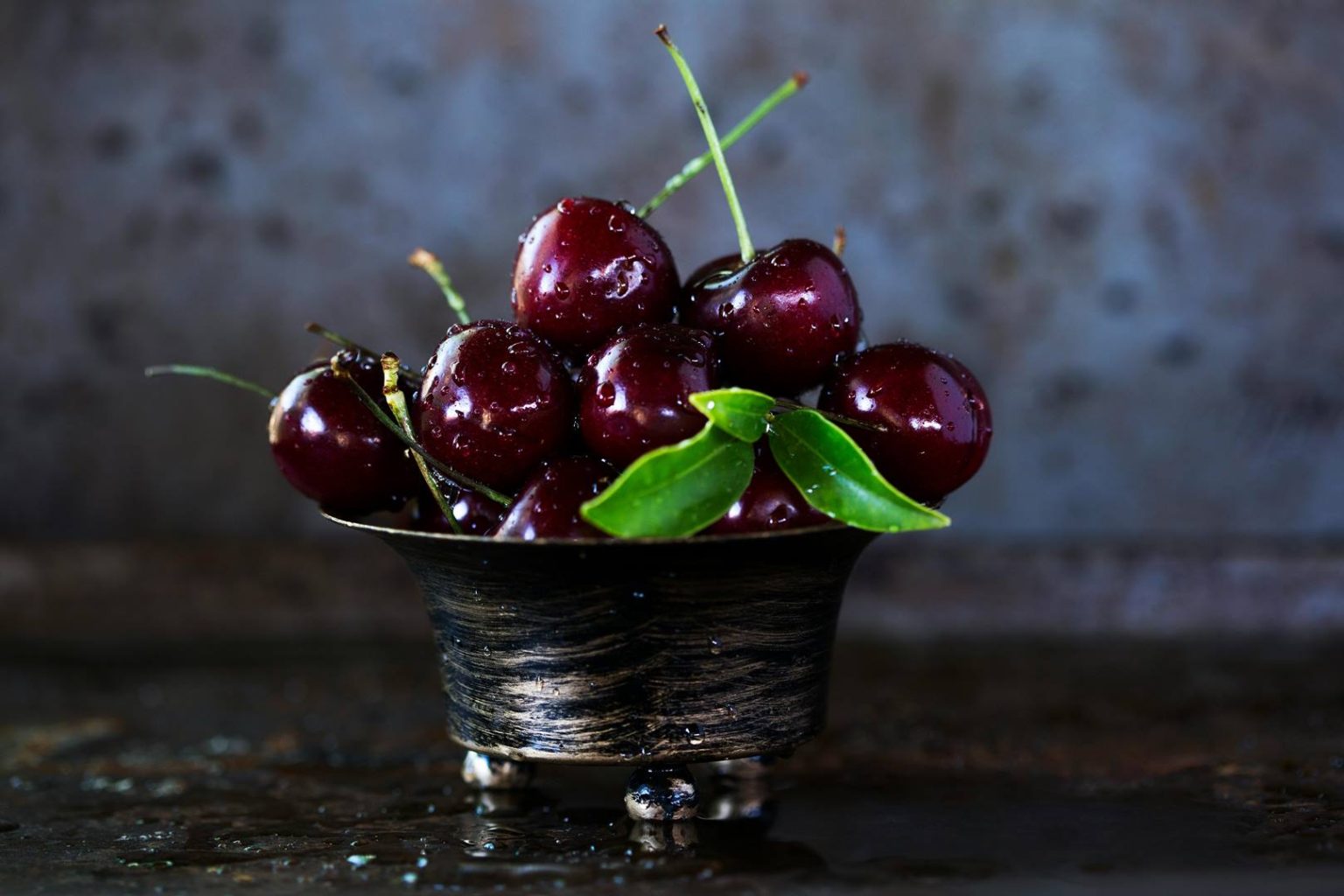
Top cherry-producing countries in 2025 (fresh cherries, sweet & sour) — updated with the latest USDA forecast
This ranking uses the USDA Foreign Agricultural Service (FAS) “Fresh Peaches and Cherries: World Markets and Trade” dataset for MY 2025/26. For cherries, the marketing year is April 2025 → March 2026 for Northern Hemisphere suppliers, and November 2025 → October 2026 for Southern Hemisphere suppliers. The result is a practical “2025 snapshot” of the global fresh cherry market.
Global fresh cherry production is forecast at 4,638,000 metric tons in MY 2025/26.
Top 10 producers (MY 2025/26 forecast)
Shares are computed using the USDA world total for MY 2025/26 (4,638,000 t).
Table 1. Top 10 cherry producers (MY 2025/26 forecast)
| Rank | Country / economy | Production (t) | YoY |
|---|---|---|---|
| 1 | China | 900,000 | +5.9% |
| 2 | Chile | 730,000 | +6.7% |
| 3 | European Union (aggregate) | 644,000 | −15.5% |
| 4 | United States | 403,000 | −4.3% |
| 5 | Turkey (Türkiye) | 400,000 | −57.1% |
| 6 | Russia | 325,000 | 0.0% |
| 7 | Uzbekistan | 305,000 | 0.0% |
| 8 | Iran | 280,000 | 0.0% |
| 9 | Ukraine | 216,000 | 0.0% |
| 10 | Serbia | 160,000 | 0.0% |
Units: metric tons. Source: USDA FAS “Fresh Peaches and Cherries: World Markets and Trade” (September 2025), MY 2025/26.
Figure 1. Production by the top 10 producers (MY 2025/26 forecast)
The chart below visualizes the same top 10 list from Table 1.
Chart fallback (data list)
- China — 900,000 t
- Chile — 730,000 t
- European Union (aggregate) — 644,000 t
- United States — 403,000 t
- Turkey (Türkiye) — 400,000 t
- Russia — 325,000 t
- Uzbekistan — 305,000 t
- Iran — 280,000 t
- Ukraine — 216,000 t
- Serbia — 160,000 t
Units: metric tons. Source: USDA FAS (September 2025), MY 2025/26.
Methodology (how these 2025 figures are built)
“2025” in this page refers to the USDA marketing year for fresh cherries, which spans April 2025–March 2026 in the Northern Hemisphere and November 2025–October 2026 in the Southern Hemisphere. The ranking uses the USDA FAS “selected countries” supply-and-distribution table for fresh cherries (sweet & sour), where production is reported in 1,000 metric tons and includes both sweet and tart cherries under the fresh-market lens.
We convert the reported values to metric tons, compute each producer’s share of the USDA world total for the same marketing year, and calculate YoY change as the percentage difference between MY 2025/26 and MY 2024/25. Revisions can occur as post reports update forecasts after harvest outcomes are finalized.
Insights that matter in 2025
1) Climate shocks can move the whole market. In the USDA forecast, global fresh cherry production is about 4.6 million tons, with a sharp short crop in Turkey in MY 2025/26.
- Turkey (Türkiye) shifts from “mega-supplier” to “short crop”, tightening availability in nearby import markets.
- EU supply is also softer year-on-year, limiting substitution during peak season.
2) The China–Chile corridor is the core of global trade. Even when global production weakens, trade can remain resilient if the dominant exporter expands.
- Chile benefits from seasonal timing and export logistics in long-distance trade.
- China remains a major demand anchor in the same USDA outlook.
3) Fresh cherries are a logistics crop. Cold chain, packaging, and shipping timing often matter as much as agronomy.
- Producers that reduce cracking and extend shelf life tend to defend market share.
- Premium markets reward consistency more than one-off bumper harvests.
What this means for you
If you buy cherries, 2025 is a reminder that price volatility often comes from supply shocks. A short crop in one major supplier can lift prices across multiple markets because fresh cherries have limited substitutes at the same quality tier. If you source or trade, timing and origin diversification are the practical levers: early/late windows, reliable cold-chain partners, and multiple origins.
For growers and agribusiness operators, the competitive edge increasingly comes from yield stability and post-harvest handling. Investments that improve firmness and reduce losses can translate into export premiums, especially in long-distance shipping.
FAQ: cherry production rankings
Why does the list use a “marketing year” instead of the calendar year?
Fresh cherries are seasonal and trade follows harvest windows. USDA uses marketing years to align production, consumption, and trade with when cherries are harvested and shipped.
Why is the European Union shown as one entry?
In the USDA “selected countries” table, the EU is treated as an aggregate economy for supply-and-distribution accounting, not a country-by-country split.
Does “fresh cherries (sweet & sour)” include cherries grown for processing?
The USDA table is framed around the fresh-market supply-and-distribution view (including sweet and tart categories). This can differ from total orchard output in other sources.
Why can YoY be zero for several countries?
Some entries remain unchanged due to stable assumptions or rounding at the “1,000 tons” reporting level, not because production never changes.
Why is Turkey’s YoY change so negative in this update?
The USDA outlook for MY 2025/26 reflects damaging weather conditions in Turkey, which can sharply reduce output and exports within a single season.
Can these rankings change after the season ends?
Yes. Forecasts can be revised as harvest outcomes and post-season reports become available.
Interactive table + momentum chart (MY 2025/26)
This dataset is published as a “selected countries” table for fresh cherries (sweet & sour), so it contains 10 named economies plus an Other line. Use the controls to search, sort, filter by region and income group, and switch “Value” between metric tons and share of global (%). Global total: MY 2025/26: 4,638,000 t.
Table 2. Producers — value, share, and YoY (MY 2025/26 forecast)
| Rank | Country / economy | Value | YoY |
|---|---|---|---|
| 1 | China | 900,00019.40% | +5.9% |
| 2 | Chile | 730,00015.74% | +6.7% |
| 3 | European Union (aggregate) | 644,00013.89% | −15.5% |
| 4 | United States | 403,0008.69% | −4.3% |
| 5 | Turkey (Türkiye) | 400,0008.62% | −57.1% |
| 6 | Russia | 325,0007.01% | 0.0% |
| 7 | Uzbekistan | 305,0006.58% | 0.0% |
| 8 | Iran | 280,0006.04% | 0.0% |
| 9 | Ukraine | 216,0004.66% | 0.0% |
| 10 | Serbia | 160,0003.45% | 0.0% |
| 11 | Other | 275,0005.93% | +5.8% |
JavaScript enables search, sorting, filters, and the Units/Share toggle. Without JavaScript, all rows remain visible and values stay in metric tons.
Figure 2. Production vs YoY change (MY 2025/26 vs 2024/25)
This scatter plot links production scale (x-axis) with year-over-year change (y-axis). Large negative moves in high-volume producers tend to ripple through prices and trade routes.
Chart fallback (points)
- China — 900k t, YoY +5.9%
- Chile — 730k t, YoY +6.7%
- European Union — 644k t, YoY −15.5%
- United States — 403k t, YoY −4.3%
- Turkey (Türkiye) — 400k t, YoY −57.1%
- Russia — 325k t, YoY 0.0%
- Uzbekistan — 305k t, YoY 0.0%
- Iran — 280k t, YoY 0.0%
- Ukraine — 216k t, YoY 0.0%
- Serbia — 160k t, YoY 0.0%
YoY change is computed from the marketing-year series: (MY 2025/26 − MY 2024/25) / MY 2024/25.
Interpretation: what the 2025 cherry hierarchy really tells you
In 2025, cherry “leadership” is less about permanent dominance and more about resilience: the ability to deliver high-quality fruit under weather stress, maintain export-grade cold chains, and keep access to premium markets. The USDA forecast year illustrates this clearly: when a major supplier experiences a short crop, global production can fall even if other top producers grow.
How to read the ranking
Production (tons) measures supply scale, but in fresh cherries it does not automatically translate into export influence. Export leadership depends on seasonal timing, quality consistency, and logistics.
- China anchors both supply and demand: high domestic consumption and large import volumes can coexist in the same year.
- Chile is structurally advantaged in off-season trade and long-distance shipping, making it disproportionately influential in global exports.
- Turkey and the EU matter for regional availability; when their crops weaken, nearby importers face sharper price and sourcing pressure.
- Central Asia and Eastern Europe remain important balancing suppliers, especially for nearby markets and cross-border trade corridors.
Policy takeaways and strategy signals
Cherry markets reward reliability. Because cherries are perishable and quality-sensitive, the “winning” countries are often those that reduce variance: fewer weather losses, fewer post-harvest defects, and fewer logistics disruptions.
- Risk management: frost protection, varietal diversification, and orchard modernization are now competitive necessities, not upgrades.
- Trade resilience: border procedures, cold-chain standards, and phytosanitary alignment can decide who fills supply gaps in short-crop years.
- Value over volume: exporters typically compete on firmness, size, and shelf life — small quality gains can beat large acreage expansions.
- Consumer impact: when large suppliers underperform, retail prices can spike quickly because substitution is limited during peak weeks.
For policy work, treat the ranking as a starting point. Pair it with indicators like export unit values, post-harvest loss rates, water risk, and labor constraints to understand whether a producer’s position is structural or cyclical.
Primary sources (official / institutional)
The table and chart values in this page are derived from the USDA FAS world market dataset for fresh cherries (sweet & sour) and its marketing-year forecasts. For long-run historical series and alternative definitions, use FAOSTAT.
-
USDA Foreign Agricultural Service — Fresh Peaches and Cherries: World Markets and Trade (September 2025)https://apps.fas.usda.gov/psdonline/circulars/stonefruit.pdf
-
USDA Foreign Agricultural Service — Stone Fruit: World Markets and Trade (release page)https://www.fas.usda.gov/data/stone-fruit-world-markets-and-trade-09252025
-
USDA PSD Online — global commodity database (for official query access)https://www.fas.usda.gov/psdonline
-
FAOSTAT — FAO corporate food and agriculture statisticshttps://www.fao.org/faostat/
Note: Marketing-year forecasts can be revised after harvest outcomes are finalized. FAOSTAT time series are typically released with a longer lag but provide broader country coverage.