
Hospital Closures in Rural America: Impact on Local Health
The rural healthcare crisis in the United States, marked by a wave of rural hospital closures, is reshaping access to medical care for millions of Americans. As of 2025, the closure of rural hospitals has accelerated, exacerbating health disparities, straining local economies, and leaving communities without critical emergency and primary care services. This article examines the causes, consequences, and potential solutions to this crisis, drawing on data from government sources, McKinsey, and Bloomberg, with projections highlighting the severity of the issue through 2030.
The Growing Rural Healthcare Crisis
Since 2005, over 200 rural hospitals have closed across the U.S., with 19 closures in 2020 alone, the highest in a decade, according to the American Hospital Association (AHA). In 2024, the Center for Healthcare Quality and Payment Reform (CHQPR) reported that 700 rural hospitals—nearly one-third of the 1,954 rural facilities—are at risk of closing due to financial losses. By 2025, an additional 12 rural hospitals have shuttered, and 28 have eliminated inpatient services to qualify for higher reimbursements under the Rural Emergency Hospital program.
Bloomberg’s 2023 analysis highlighted that rural hospitals lose money on patient services due to low reimbursement rates from private insurers, which fail to cover the higher costs of care in low-volume settings. McKinsey’s 2022 report noted that rural areas, home to 20% of the U.S. population, account for only 10% of healthcare spending, underscoring the financial strain on these facilities. The rural healthcare crisis is particularly acute in states like Texas, Tennessee, and Kansas, which have seen 14, 11, and 8 closures since 2015, respectively.
Key Causes of Rural Hospital Closures
- Financial Strain: Low patient volumes and inadequate payments from private insurers result in operating losses. CHQPR estimates that $4 billion annually—0.1% of national healthcare spending—could prevent closures.
- Medicaid Non-Expansion: States that have not expanded Medicaid, primarily in the South, face higher closure rates. A 2023 KFF report found that 74% of rural hospital closures since 2010 occurred in non-expansion states.
- Staffing Shortages: Rural areas struggle to recruit and retain physicians and nurses. In Lowndes County, Alabama, there is one physician per 9,641 residents, per a 2020 report.
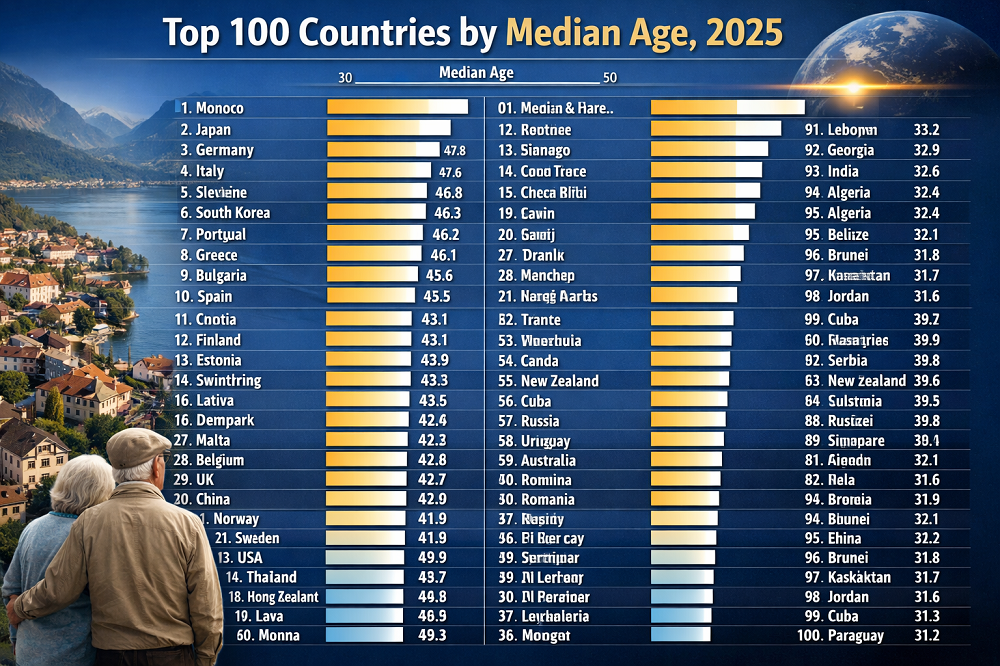
- Aging Populations: Rural residents are older and sicker, requiring more intensive care, which strains hospital resources, as noted in a 2024 Montana State University study.
- Policy Gaps: Federal programs like Critical Access Hospital (CAH) designation help, but inadequate reimbursement rates persist, per the U.S. Government Accountability Office (GAO).
Impact on Local Health and Communities
Rural hospital closures have profound effects on health outcomes and local economies. When a hospital closes, residents must travel longer distances—often over 30 minutes—for emergency care, increasing risks for conditions like heart attacks and strokes. A 2016 study in Circulation found that emergency department closures are associated with higher mortality rates for acute myocardial infarction. Pregnant women face particular challenges, with closures of labor and delivery units forcing long-distance travel for prenatal care and delivery, per a 2025 Farmonaut report.
Elderly and low-income patients are hit hardest. The GAO’s 2021 report noted that closures from 2013 to 2020 reduced access to lab tests, imaging, and primary care, disproportionately affecting these groups. Economically, hospital closures lead to job losses and population decline. A 2022 University of North Carolina study found that closures in non-metro counties from 2001 to 2018 caused a 1.4% labor force reduction and a 1.1% population decrease. Per capita income may drop by 2.7–4%, per a 2023 study.
In Alabama’s Black Belt, closures have left four counties without hospitals, amplifying health inequities for Black residents, who face higher rates of chronic diseases. The closure of Good Samaritan Hospital in Dallas County, Alabama, strained nearby facilities, which struggled to serve uninsured patients, according to a 2024 TIME article.
Projections and Data
The table below summarizes rural hospital closures and at-risk facilities by state, based on CHQPR’s 2024 report and AHA data, with projections for 2025–2030.
| State | Closures (2015–2025) | At-Risk Hospitals (2024) | Immediate Risk (2024) |
|---|---|---|---|
| Texas | 14 | 80 | 30 |
| Tennessee | 11 | 45 | 15 |
| Kansas | 8 | 62 | 31 |
| Alabama | 6 | 48 | 20 |
Strategies to Mitigate the Crisis
Addressing rural hospital closures requires coordinated efforts. Experts from McKinsey, Bloomberg, and government agencies propose the following solutions:
- Medicaid Expansion: Expanding Medicaid in remaining states could reduce uncompensated care costs. KFF’s 2023 analysis showed that expansion states had a median operating margin of 2.0% versus 0.3% in non-expansion states.
- Improved Reimbursement: CHQPR advocates for Medicare Advantage plans to match Medicare payment rates for rural hospitals to cover care costs.
- Telemedicine: Telehealth can bridge access gaps, allowing remote consultations with specialists, as implemented in Montana, per a 2024 Montana State University report.
- Workforce Development: HRSA’s Rural Health Clinic programs offer loan repayment to attract providers to underserved areas.
- Community Models: Federally Qualified Health Centers (FQHCs) and community health partnerships can provide primary care where hospitals close, per CMS guidelines.
Policy and Legislative Efforts
Federal programs like the Critical Access Hospital (CAH) designation and Rural Health Clinic certificates enhance reimbursement rates, but gaps remain. The Rural Emergency Hospital program, introduced in 2023, allows facilities to convert to emergency-only services, preserving some access. The AHA supports legislation to increase funding for rural hospitals and expand telehealth coverage. States like Montana, which expanded Medicaid, have seen slower closure rates, per a 2024 Montana State University study.
Future Outlook
Without intervention, the rural healthcare crisis will worsen. CHQPR projects that 360 rural hospitals could close by 2030 if financial challenges persist. However, policy reforms, technological advances, and community-driven initiatives offer hope. By addressing reimbursement disparities and leveraging telehealth, the U.S. can preserve access to care in rural communities.
Conclusion
Rural hospital closures are a critical public health issue, undermining access to care and economic stability in rural America. The data and visualizations highlight the urgency of the crisis, while proposed solutions provide a roadmap for action. Policymakers, healthcare leaders, and communities must collaborate to ensure that rural residents have access to the care they need.
Sources
- Health Resources and Services Administration (HRSA): Health Workforce Projections - Provides data on rural healthcare workforce shortages.
- U.S. Government Accountability Office (GAO): Rural Hospital Closures - Details closures and their impact from 2013 to 2020.