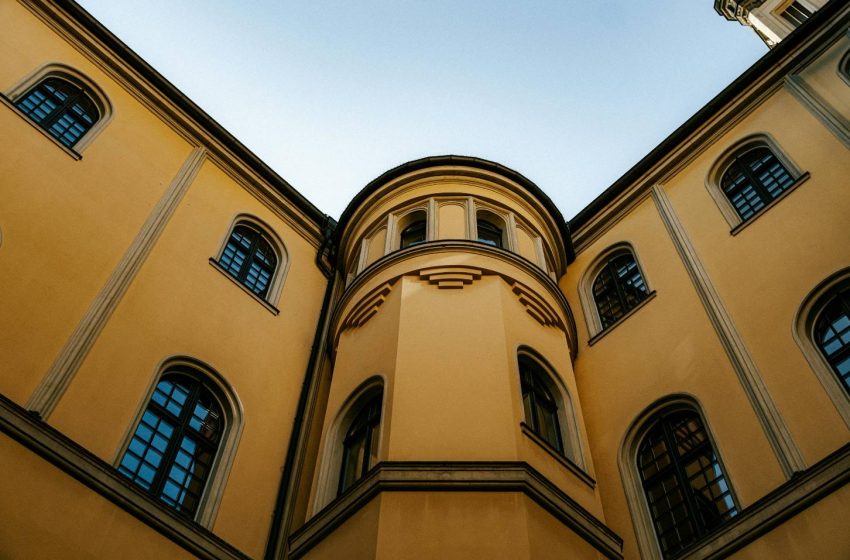
Top 10 Countries Leading Facade Materials Production in 2025
Facade materials are critical components of modern construction, determining the aesthetic appeal, energy efficiency, and durability of buildings. As urbanization, sustainability trends, and technological advancements drive the global construction industry, the demand for innovative facade materials – such as glass, aluminum, concrete, stone, and composites – continues to grow. In 2025, the global façade materials market is estimated to reach $258.66 billion and grow at a compound annual growth rate (CAGR) of 5% through 2030, driven by increasing construction activity in the residential, commercial, and industrial sectors.
The Importance of Facade Materials in 2025
Facade materials serve multiple purposes: they enhance a building’s aesthetics, provide weather resistance, improve thermal insulation, and contribute to energy efficiency. As sustainability regulations tighten in regions such as North America, Europe, and Asia-Pacific, manufacturers are innovating to produce eco-friendly materials such as low-carbon glass and recycled aluminum. The rise of smart facades with sensors and building-integrated photovoltaics (BIPV) is transforming the industry, particularly in commercial and high-rise construction. This global demand has positioned certain countries as leaders in the production of façade materials, leveraging their industrial capabilities, technological advancements, and access to raw materials.
Top 10 Countries in Facade Materials Production
Below is an analysis of the top 10 countries dominating facade materials production in 2025, based on their manufacturing output, innovation, and market influence.
1. China
China remains the global powerhouse in facade materials production, driven by its massive construction industry and advanced manufacturing capabilities. In 2023, China accounted for approximately 31.6% of global manufacturing output, including construction materials like glass, aluminum, and concrete. The country’s facade market is bolstered by companies like China National Building Material (CNBM) and Jinjiu Sci-Tech New Material Co. Ltd., which produce glass, cladding systems, and metal composites. China’s rapid urbanization and infrastructure projects, such as smart city initiatives, fuel demand for ventilated facades and energy-efficient materials. In 2025, China’s facade materials production is projected to contribute significantly to the Asia-Pacific region’s 37.6% market share.
2. United States
The United States is a major player in facade materials, particularly in glass, steel, and aluminum production. With a facade market valued at USD 234.9 billion globally in 2023, North America, led by the U.S., holds a 21.5% share. Companies like Guardian Industries and Vitro Architectural Glass dominate glass facade production, while Alcoa leads in aluminum systems. The U.S. emphasizes sustainable materials, with innovations like low-carbon glass and BIPV systems gaining traction. Investments in infrastructure and commercial construction, supported by government initiatives, drive production growth.
3. India
India’s facade materials market is growing rapidly, with a projected CAGR of 6.6% from 2024 to 2032, the highest globally. The country’s booming population and urbanization, coupled with government-led smart city projects, have spurred demand for glass, concrete, and fiber cement facades. Companies like Saint-Gobain India and INOX Décor Pvt. Ltd. are key players, focusing on eco-friendly solutions like DOWSIL™ facade sealants. India’s construction market is expected to be the third largest globally by 2025, further boosting facade production.
4. Germany
Germany excels in producing high-quality facade materials, particularly aluminum, steel, and glass, supported by its engineering expertise. Companies like Schüco International and Knauf lead in innovative facade systems, including curtain walls and cladding. Germany’s focus on sustainability, driven by strict EU regulations, has led to advancements in energy-efficient materials like aerogel insulation and low-carbon glass. The country’s facade production benefits from its robust manufacturing sector and commitment to green building practices.
5. Japan
Japan is renowned for its technological advancements in facade materials, particularly in architectural glass and prefabricated systems. Companies like AGC Inc. and Nippon Sheet Glass Co., Ltd. are global leaders in producing high-performance glass facades with features like solar control and thermal insulation. Japan’s facade market is driven by its focus on earthquake-resistant and energy-efficient buildings, with a strong presence in commercial and residential construction.
6. Brazil
Brazil’s facade materials production is fueled by its growing construction sector, particularly in commercial and residential projects. The country produces concrete, glass, and metal facades, with companies like Etex Group contributing to the market. Brazil’s emphasis on sustainable urban development and infrastructure investments supports its position in the global facade market, which is projected to grow at a CAGR of 7.6% through 2030.
7. United Kingdom
The UK’s facade materials market is driven by sustainability and innovation, with companies like Kingspan Group and Rockwool producing insulated panels and cladding systems. The UK’s focus on green building certifications like LEED and BREEAM has increased demand for eco-friendly facades, such as low-carbon aluminum and glass. In 2023, the UK contributed to Europe’s 46.3% share of the global facade market, with growth expected to continue through 2025.
8. United Arab Emirates
The UAE, particularly Dubai, is a hub for high-end facade materials, driven by its luxury real estate and iconic skyscrapers. Companies like Al Abbar Group specialize in curtain wall systems and glass facades. The Middle East’s facade market is growing due to government support for real estate and tourism, with the UAE leading in innovative designs like media facades and BIPV systems.
9. Italy
Italy’s facade materials production is known for its craftsmanship and high-quality materials, including stone, ceramics, and glass. Companies like Permasteelisa S.p.A are global leaders in curtain wall and cladding systems. Italy’s facade market benefits from its strong architectural heritage and focus on aesthetic, durable materials, contributing to Europe’s significant market share.
10. France
France rounds out the top 10 with its production of glass, metal, and composite facades. Saint-Gobain, a global leader, produces sustainable glass facades like ORAE, which reduce carbon footprints. France’s facade market is driven by its aerospace, automotive, and construction industries, with a focus on energy-efficient and smart facade systems.
Market Trends and Innovations
The global facade materials market is evolving rapidly, driven by several key trends:
- Sustainability: Strict regulations in North America, Europe, and Asia-Pacific are pushing manufacturers to develop low-carbon and recyclable materials, such as Hydro CIRCAL aluminum and Saint-Gobain’s ORAE glass.
- Smart Facades: Technologies like BIPV and digital facades with embedded LEDs are gaining traction, particularly in commercial buildings in the U.S., China, and Japan.
- Urbanization: Rapid urban growth in countries like China, India, and Brazil is increasing demand for ventilated and non-ventilated facades.
- Digital Tools: Building Information Modeling (BIM) is enhancing facade design and installation, improving efficiency and reducing costs.
Data Table: Facade Materials Production by Country (2025 Estimates)
Country | Market Share (%) | Key Materials Produced | Leading Companies | Projected CAGR (2024-2030) |
China | 37.6 | Glass, Aluminum, Concrete | CNBM, Jinjiu Sci-Tech | 5.0% |
United States | 21.5 | Glass, Steel, Aluminum | Guardian, Vitro, Alcoa | 7.6% |
India | 10.2 | Glass, Concrete, Fiber Cement | Saint-Gobain India, INOX Décor | 6.6% |
Germany | 8.5 | Aluminum, Steel, Glass | Schüco, Knauf | 5.8% |
Japan | 7.3 | Glass, Prefabricated Systems | AGC Inc., Nippon Sheet Glass | 5.0% |
Brazil | 4.8 | Concrete, Glass, Metal | Etex Group | 7.6% |
United Kingdom | 3.9 | Insulated Panels, Cladding | Kingspan, Rockwool | 5.8% |
UAE | 2.7 | Glass, Curtain Walls | Al Abbar Group | 7.8% |
Italy | 2.5 | Stone, Ceramics, Glass | Permasteelisa S.p.A | 5.8% |
France | 2.4 | Glass, Metal, Composites | Saint-Gobain | 5.8% |
Source: Estimates based on industry reports from Mordor Intelligence, Grand View Research, and Zion Market Research.
Key Materials and Their Production
Facade materials vary widely, each with unique properties:
- Glass: Dominates due to its aesthetic appeal, fire resistance, and low maintenance. Leading producers include Saint-Gobain (France), AGC Inc. (Japan), and Guardian (USA).
- Aluminum: Widely used for curtain walls and cladding, with key producers like Alcoa (USA) and Norsk Hydro (Norway).
- Concrete and Fiber Cement: Popular in Brazil and India for durability and cost-effectiveness.
- Stone and Ceramics: Italy excels in producing high-quality stone and ceramic facades, emphasizing aesthetic appeal.
- Composites: Polymer-based composites and synthetics are gaining traction for their lightweight and sustainable properties.
Challenges in Facade Materials Production
Despite growth, the facade materials industry faces challenges:
- High Costs: Raw materials like aluminum and glass are subject to price volatility due to global demand and geopolitical tensions.
- Supply Chain Disruptions: Geopolitical conflicts, such as the Russia-Ukraine war, and transportation bottlenecks impact material availability.
- Regulatory Compliance: Strict sustainability regulations in Europe and North America require significant investment in eco-friendly production processes.
- Complex Designs: Architects demand innovative, energy-efficient designs, increasing production complexity and costs.
Regional Insights
- Asia-Pacific: Dominates with a 37.6% market share, led by China, India, and Japan. Rapid urbanization and infrastructure projects drive growth.
- North America: The U.S. leads with a focus on sustainable and smart facades, supported by government infrastructure investments.
- Europe: Germany, the UK, Italy, and France emphasize eco-friendly materials and high-quality production, holding a 46.3% combined market share in 2019.
- Middle East: The UAE and other Gulf countries focus on luxury and innovative facades, with a projected CAGR of 7.8% through 2034.
Future Outlook
The global facade materials market is poised for significant growth through 2030, driven by urbanization, sustainability, and technological advancements. Emerging trends like media facades, BIPV, and parametric architecture will shape the industry. Countries like China, the U.S., and India will continue to lead due to their industrial capacity and construction demand, while Germany and Japan will drive innovation in high-performance materials. Manufacturers must navigate challenges like cost volatility and supply chain risks while investing in R&D to meet evolving market demands.
Facade Materials Market Share by Country (2025)
Conclusion
The top 10 countries in facade materials production—China, the United States, India, Germany, Japan, Brazil, the United Kingdom, the UAE, Italy, and France—are shaping the global construction landscape in 2025. Their contributions, driven by innovation, sustainability, and robust manufacturing, underscore the importance of facade materials in modern architecture. As the market grows, these countries will continue to lead, supported by advancements in materials and technologies that enhance building performance and aesthetics.