Top 10 Countries in Diesel Locomotive Production 2025
Diesel locomotives play a crucial role in global rail transport, offering reliability and power for freight and passenger services, especially in regions without electrified rail networks. In 2025, the global diesel locomotive market is valued at approximately USD 15 billion, with a projected compound annual growth rate (CAGR) of 4.0% through 2031. This article examines the top 10 countries leading diesel locomotive production in 2025, providing insights into their production volumes, key manufacturers, and market dynamics. Supported by data and industry trends, we explore the factors shaping this essential sector.
Market Overview: Diesel Locomotive Industry in 2025
The diesel locomotive market thrives on the need for efficient freight transport, rail infrastructure development, and advancements in engine technology. Diesel locomotives, primarily diesel-electric but also including diesel-mechanical and hybrid variants, are ideal for non-electrified rail lines. Despite the global push toward electrification, diesel locomotives remain critical in regions like North America, Asia, and Africa, where electrification is incomplete. Key challenges include rising fuel costs, up 20% globally since 2022, and stringent emission regulations, which are driving manufacturers to innovate with hybrid and low-emission designs.
In 2025, major players such as Wabtec Corporation, CRRC Corporation, and Electro-Motive Diesel (EMD) dominate the market. The top 10 countries leverage advanced manufacturing, government support, and export opportunities to maintain their global positions. The following sections rank these nations based on production volumes, market share, and industry developments in 2025.
Top 10 Countries in Diesel Locomotive Production
1. United States
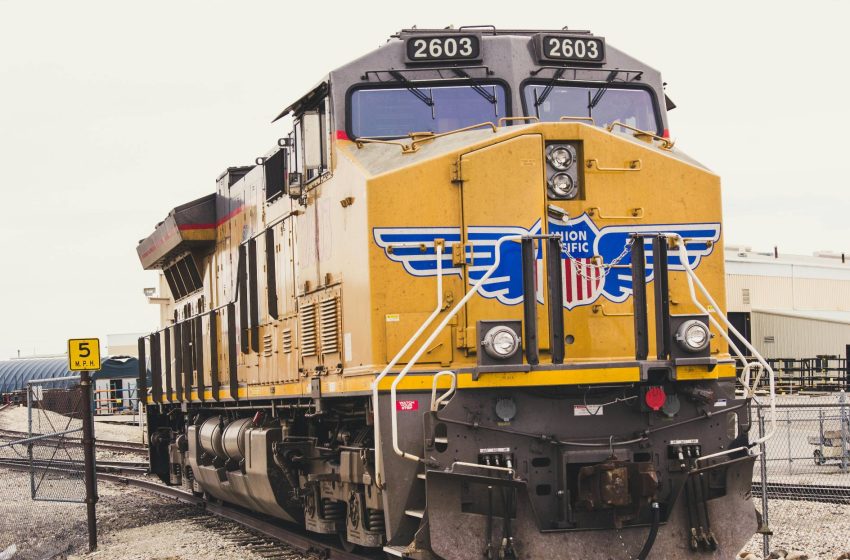
The United States leads global diesel locomotive production, manufacturing an estimated 1,200 units in 2025. Wabtec Corporation and EMD, a subsidiary of Caterpillar Inc., are the primary producers, delivering high-power models like the EMD GT46PAC. The U.S. market, valued at USD 4 billion, benefits from its extensive freight rail network, which handles 40% of the nation’s long-distance freight. Investments in fleet modernization and hybrid technologies, such as Wabtec’s modular engines, are key drivers of growth in this sector.
2. China
China ranks second, producing approximately 1,000 diesel locomotives in 2025. CRRC Corporation, a global leader in rolling stock, focuses on models like the DFH1 for freight transport. Although China prioritizes electric locomotives, its vast non-electrified rail network and exports through the Belt and Road Initiative sustain diesel production. China holds a 15% share of the global diesel locomotive market, supported by its manufacturing scale and strategic international partnerships.
3. India
India produces around 800 diesel locomotives in 2025, led by Diesel Locomotive Works (DLW) in Varanasi. With an annual capacity of 275 units, DLW manufactures EMD GT46MAC models under license. India’s freight-heavy rail network, which transports commodities like coal and steel, supports production. However, ongoing electrification efforts, aiming for 100% electrified tracks by 2025, are gradually reducing reliance on diesel locomotives.
4. Russia
Russia manufactures approximately 600 diesel locomotives in 2025, with Transmashholding (TMH) leading the market. Models like the 2TE25KM are designed for Russia’s extensive freight routes, particularly in Siberia. Despite a 0.53% decline in diesel train movements in 2023, Russia’s production remains robust, driven by domestic demand and exports to Commonwealth of Independent States (CIS) countries.
5. Germany
Germany produces around 400 diesel locomotives in 2025, with Siemens Mobility and Stadler Rail focusing on hybrid models. Europe’s stringent emission standards drive innovation, with Germany’s diesel locomotive market growing at a 4.5% CAGR. Production supports cross-border freight and regional passenger services, aligning with the European Union’s sustainability goals while addressing the needs of non-electrified routes.
6. France
France produces an estimated 350 diesel locomotives, holding a 27.37% share of Europe’s diesel locomotive market. Alstom SA leads production, focusing on diesel-electric models for export to regions like Africa and Asia. France’s investment in hybrid technologies ensures compliance with EU decarbonization targets while maintaining competitiveness in global markets.
7. Australia
Australia manufactures approximately 300 diesel locomotives in 2025, driven by its mining industry. Companies like UGL Rail and Downer EDI produce high-power locomotives for transporting iron ore and coal. The Australian market, valued at USD 27 million in 2023, continues to grow, supported by investments in rail infrastructure and heavy-haul freight operations.
8. Brazil
Brazil’s production reaches 250 diesel locomotives in 2025, with companies like Vale S.A. supporting the transport of agricultural and mining goods. Diesel-electric models dominate, catering to Brazil’s expanding rail corridors. Government investments in infrastructure, such as the North-South Railway, bolster production and enhance freight transport efficiency.
9. South Africa
South Africa produces around 200 diesel locomotives, led by Transnet Freight Rail. The country’s mineral-driven economy relies heavily on diesel locomotives for non-electrified routes, transporting commodities like coal and iron ore. Production faces challenges due to limited funding, but modernization initiatives are helping to sustain output.
10. Canada
Canada completes the top 10, producing an estimated 150 diesel locomotives in 2025. Canadian National Railway and Progress Rail, another Caterpillar subsidiary, focus on freight models for the country’s vast rail network. Canada’s production is supported by domestic demand and exports to the U.S., with an emphasis on fuel-efficient designs to reduce operational costs.
Key Trends Shaping Diesel Locomotive Production
The diesel locomotive industry in 2025 is influenced by several key trends:
- Hybrid Technologies: Countries like Germany and the U.S. are adopting hybrid diesel-electric locomotives to comply with emission regulations while maintaining performance.
- Fuel Efficiency: Innovations such as turbocharged engines, like India’s WDG5, reduce fuel consumption by up to 10%, addressing rising fuel costs.
- Freight Demand: The global freight transport market, spurred by e-commerce growth projected at 24% by 2026, increases the need for diesel locomotives in non-electrified regions.
- Regulatory Pressure: Stricter emission standards, particularly in Europe and North America, push manufacturers to develop greener, low-emission diesel technologies.
Data Insights: Production Volumes and Market Share
The table below provides a detailed overview of the top 10 countries’ diesel locomotive production in 2025, including estimated production volumes, market share, and key manufacturers.
| Country | Production Volume (Units) | Market Share (%) | Key Manufacturers |
|---|---|---|---|
| United States | 1,200 | 20% | Wabtec, EMD |
| China | 1,000 | 17% | CRRC |
| India | 800 | 13% | DLW |
| Russia | 600 | 10% | Transmashholding |
| Germany | 400 | 7% | Siemens Mobility, Stadler Rail |
| France | 350 | 6% | Alstom SA |
| Australia | 300 | 5% | UGL Rail, Downer EDI |
| Brazil | 250 | 4% | Vale S.A. |
| South Africa | 200 | 3% | Transnet Freight Rail |
| Canada | 150 | 2% | Progress Rail |
Visualizing the Data: Diesel Locomotive Production
The chart below illustrates the production volumes of the top 10 countries, showcasing their contributions to global diesel locomotive output in 2025.
Block Quote: Industry Insight
“Diesel locomotives remain indispensable for global freight transport, but their future hinges on hybrid technologies and sustainable innovations that balance efficiency with environmental responsibility.”
Challenges and Opportunities
The diesel locomotive industry faces several challenges in 2025. Emission regulations, such as Europe’s Stage V standards, increase production costs by 10–15% due to the need for advanced exhaust systems. Rising fuel prices, which have increased by 20% since 2022, strain operators’ budgets, particularly in developing regions. Supply chain disruptions, especially for turbochargers and electronic components, impact smaller producers like South Africa. On the opportunity side, the global freight transport market is expected to grow by 5% annually through 2030, driven by e-commerce and industrial demand. Innovations like Wabtec’s modular engines, which reduce maintenance downtime by 15%, enhance competitiveness and offer a pathway to greater efficiency.
Regional Insights: Production Hubs
North America, led by the U.S. and Canada, accounts for 22% of global diesel locomotive production, driven by the region’s freight-heavy rail systems. Asia-Pacific, with China and India, holds a 30% market share, fueled by rail network expansion and non-electrified routes. Europe, despite a decline in diesel usage, contributes 13% of global output, with a focus on hybrid models to meet emission targets. Emerging markets like Brazil and South Africa sustain production through resource-driven economies, leveraging diesel locomotives for mining and agricultural transport.
Future Outlook
The diesel locomotive market is projected to reach USD 19.76 billion by 2031, with diesel-electric models remaining dominant due to their reliability and versatility. While electrification poses a long-term challenge, hybrid technologies and retrofit programs will sustain demand in regions like North America and Asia-Pacific. The top 10 countries, through innovation, infrastructure investments, and strategic partnerships, will continue to drive the industry forward. By addressing environmental pressures and capitalizing on freight transport growth, these nations will shape the future of diesel locomotive production in a rapidly evolving global market.