What Drives Price Increases: Inflation Analysis for 2020–2025
Inflation, the sustained rise in prices for goods and services, has significantly impacted global and local economies from 2020 to 2025. Fueled by economic recovery, supply chain disruptions, geopolitical conflicts, and policy decisions, inflation has challenged purchasing power and economic stability.
Understanding Inflation
Inflation is measured by the Consumer Price Index (CPI), which tracks the cost of a standard basket of goods and services. From 2010 to 2019, global inflation averaged 3.8%, but it spiked to 7.0% in 2022 due to post-pandemic recovery and external shocks. In Russia, the Central Bank aims for a 4% inflation rate, but rates have frequently exceeded this, hitting 9.52% in 2024.
Inflation arises from demand-pull factors (excessive demand), cost-push factors (rising input costs), and monetary factors (expanded money supply). The 2020–2025 period saw these forces amplified by unique global and regional challenges.
Primary Drivers of Inflation (2020–2025)
1. Post-Pandemic Demand Surge
The COVID-19 pandemic in 2020 suppressed demand, leading to deflation in some regions. By 2021, rapid economic recovery, driven by massive fiscal stimulus, outstripped supply. In the U.S., stimulus packages totaling $5 trillion (15–17% of GDP) boosted consumer spending, pushing inflation to 7%. Russia increased government spending by 16% in 2020, contributing to a 4.9% inflation rate.
2. Supply Chain Bottlenecks
Global supply chains faced disruptions from factory shutdowns in 2020 to shipping delays in 2021–2022. The 2021 Suez Canal blockage halted $9.6 billion in daily trade. Semiconductor shortages raised electronics prices by 10–15% globally. In Russia, sanctions and import restrictions tightened supply, increasing costs for consumer goods.
3. Energy and Commodity Price Surges
Energy prices skyrocketed due to supply constraints and geopolitical tensions. Oil prices reached $120 per barrel in 2022 following Russia’s invasion of Ukraine, while European natural gas prices surged 400% in 2021–2022. In Russia, reduced energy export revenues due to EU sanctions raised domestic energy costs, driving food prices up by 10–25% in 2025.
4. Geopolitical Conflicts and Sanctions
Sanctions on Russia, intensified in 2022, limited access to Western markets and technology, increasing import costs. In 2025, U.S. sanctions on Russia’s oil sector weakened the ruble, pushing inflation to 10.06%. Higher raw material costs further elevated production expenses.
5. Monetary and Fiscal Policies
Expansive monetary policies in 2020–2021, including low interest rates and quantitative easing, increased money supply. Russia’s budget spending reached 41.5 trillion rubles in 2025, fueling demand and credit growth, which drove inflation. The Central Bank’s 16% key rate in 2025 aimed to curb demand but was slow to take effect.
6. Food and Agricultural Price Volatility
Food, a major CPI component in Russia (38.1% of the basket in 2024), saw significant price increases due to poor harvests, sanctions, and export restrictions. Global food prices rose sharply, with trends persisting into 2025. In Russia, higher fertilizer costs and weather issues pushed food prices up by 10–25% in 2025.
7. Rising Labor and Production Costs
Labor shortages and wage increases raised production costs. In Russia, a 2025 labor deficit led to 20–30% wage growth in some sectors. Globally, logistics costs increased 20% from 2020 to 2023, adding to price pressures.
Inflation Trends (2020–2025)
The table below outlines inflation rates across key regions, highlighting Russia’s experience:
| Year | Russia (%) | USA (%) | EU (%) | Global Avg. (%) |
|---|---|---|---|---|
| 2020 | 4.9 | 1.2 | 0.7 | 3.2 |
| 2021 | 5.8 | 7.0 | 2.6 | 4.7 |
| 2022 | 11.9 | 8.0 | 8.4 | 7.0 |
| 2023 | 7.4 | 4.1 | 5.4 | 5.9 |
| 2024 | 9.52 | 3.0 | 2.5 | 4.5 |
| 2025 (est.) | 7.0–8.0 | 2.3 | 2.0 | 4.0 |
Source: Rosstat, U.S. Bureau of Labor Statistics, Eurostat, World Bank, Bank of Russia
Visualizing Inflation Trends
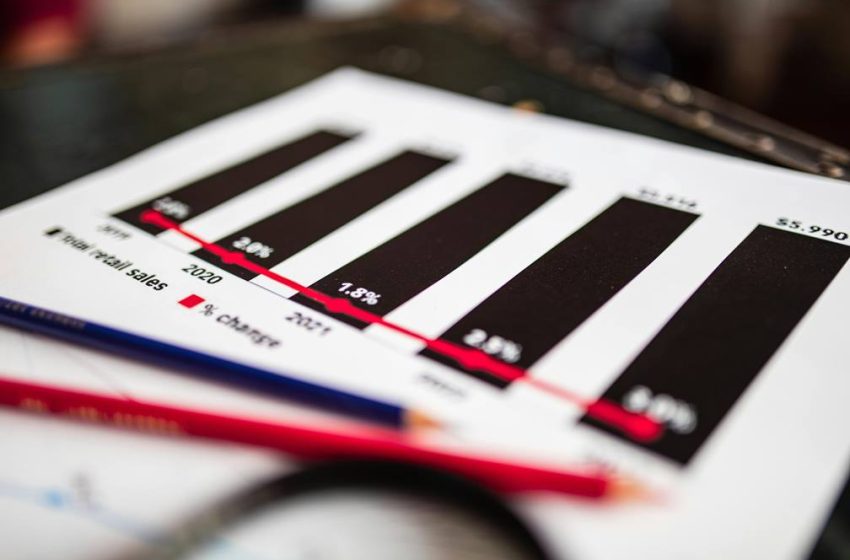
The chart below compares Russia’s inflation rate to the global average from 2020 to 2025:
Note: Include in your Elementor setup to render the chart.
Regional and Sectoral Impacts
Russia
Russia’s inflation peaked at 11.9% in 2022, with food and energy prices hit hardest. In 2025, food prices rose 10–25% due to harvest issues and import constraints. Small businesses faced 20% cost increases, passing these to consumers, impacting household budgets.
USA and EU
In the U.S., inflation reached 8% in 2022, driven by energy (13% increase) and housing costs. The EU experienced 13.8% food inflation in 2022. Both regions reduced inflation to 2–3% by 2025 through tighter monetary policies.
Developing Economies
Food and energy import reliance led to high inflation in developing nations. In Africa, food inflation averaged 12% in 2023, worsening poverty and food insecurity.
Long-Term Outlook
Inflation’s persistence threatens savings, investment, and growth. In Russia, inflation is projected at 7.0–8.0% in 2025, potentially stabilizing at 4% by 2026 with high interest rates. Globally, inflation is expected to settle at 3–4% by 2027, though energy volatility and geopolitical risks remain concerns.
Businesses must focus on cost efficiency and supply chain resilience, while consumers adapt to higher costs. Policymakers face the challenge of balancing growth with price stability through targeted fiscal and monetary measures.
Conclusion
From 2020 to 2025, inflation was driven by post-pandemic recovery, supply chain disruptions, energy price spikes, sanctions, and expansive policies. While global inflation is moderating, Russia faces ongoing challenges due to structural and geopolitical factors. Addressing these drivers requires coordinated policy responses and adaptive strategies to ensure economic stability.
Sources
- Rosstat - https://rosstat.gov.ru/ - Official Russian statistics on inflation, CPI, and economic indicators.
- Bank of Russia - https://www.cbr.ru/ - Monetary policy reports and inflation forecasts.
- World Bank - https://www.worldbank.org/ - Global economic data and inflation trends.
- Eurostat - https://ec.europa.eu/eurostat - EU inflation and trade statistics.
- International Energy Agency - https://www.iea.org/ - Energy market data and price trends.
- U.S. Bureau of Labor Statistics - https://www.bls.gov/ - U.S. inflation and economic indicators.