Top 10 Countries for Global Electric Turbine Production in 2025
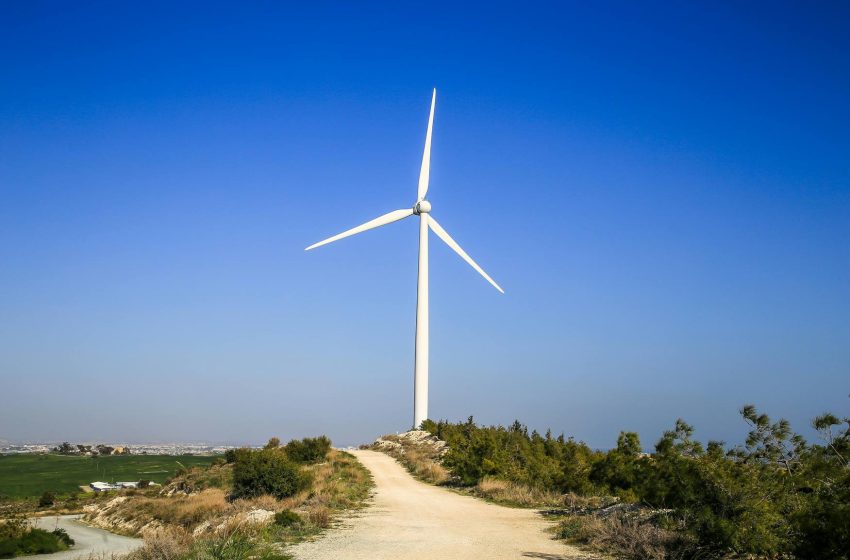
Electric turbines, which include gas, steam, wind, and hydro turbines, are central to global energy production, powering electricity generation in various applications. As the world transitions to sustainable energy, electric turbine production has become a critical indicator of a country’s industrial and technological prowess. In 2025, the global turbine market will be shaped by rapid advances in renewable energy, increasing demand for efficient power generation, and geopolitical shifts affecting manufacturing capabilities. This article examines the top 10 countries leading electric turbine production in 2025, focusing on their production, technological innovations, and market contributions. Supported by data and visualizations, it provides a comprehensive overview of the global landscape.
Global Context for Electric Turbine Production
Electric turbines convert various sources of energy-wind, water, gas, or steam-into electrical power. The global turbine market, valued at approximately $25.26 billion in 2025, is projected to grow to $34.75 billion by 2032, driven by a shift from coal to natural gas and renewable energy. Wind turbines in particular have seen significant growth, with global installed wind capacity reaching 1,021 gigawatts (GW) in 2023, while gas turbines remain essential for reliable power generation. The top producing countries dominate due to their advanced manufacturing ecosystems, robust supply chains, and supportive government policies.
Top 10 countries in electric turbine production
1. China
China leads the world in electric turbine production, driven by its massive industrial base and aggressive renewable energy policies. By 2023, China will account for more than 40% of global wind power capacity, producing 466.5 terawatt-hours (TWh) in 2021 alone. Companies like Goldwind, which held a 13.8% share of the global wind turbine manufacturing market in 2018, underscore China’s dominance. China’s gas turbine production is also growing, with companies like Shanghai Electric expanding capacity. In 2024, China will begin construction of six nuclear reactors, boosting demand for steam turbines. Government incentives and a focus on rural solar and wind installations further solidify its position.
2. United States
The United States ranks second, with a strong focus on gas and wind turbines. In 2021, the U.S. produced 341.4 TWh of wind power, accounting for 21% of global production. General Electric (GE) has an 18% share of the global gas turbine market, producing turbines in the 250-500 MW range for power generation. The U.S. is also investing in offshore wind, with companies such as GE Renewable Energy and Siemens Gamesa supplying large turbines. The Inflation Reduction Act of 2022 has spurred renewable energy manufacturing, which has increased turbine production capacity.
3. GERMANY
Germany is a leader in wind and gas turbine manufacturing, driven by its engineering expertise and renewable energy targets. In 2021, 21% of Germany’s electricity will come from wind power. Siemens Energy, with a 17% share of the global gas turbine market, and Siemens Gamesa, with a 12.3% share of the wind turbine market in 2018, are key players. Germany’s focus on decarbonization and offshore wind projects, particularly in the North Sea, supports its robust turbine manufacturing sector.
4. Denmark.
Denmark excels in wind turbine production, with Vestas holding a 20.3% global market share in 2018. In 2023, 58% of Denmark’s electricity will be generated by wind power, the highest share in the world. The country’s expertise in horizontal axis wind turbines and offshore wind farms positions it as a leader in renewable energy technology. Denmark’s small size belies its outsized influence in the global turbine market.
5. Japan
Japan is a major player in gas and steam turbine manufacturing, with Mitsubishi Power holding an 8% share of the global gas turbine market. The country’s focus on energy security and technological innovation is driving its turbine industry. Japan’s offshore wind sector is also expanding, with plans to increase capacity to 10 GW by 2030, boosting domestic turbine production.
6. India
India’s turbine production is growing, particularly in the wind and hydro sectors. In 2024, India will overtake Germany to become the third largest producer of electricity from wind and solar, generating 10% of its electricity from these sources. Companies such as Suzlon Energy are contributing to wind turbine manufacturing, while BHEL has a 6% share of the gas turbine market. India’s renewable energy target of 500 GW by 2030 is driving growth in turbine production.
7. Spain
Spain is a major player in wind turbine manufacturing, with wind power accounting for 19% of its electricity in 2021. Siemens Gamesa, headquartered in Spain, is a major global supplier. The country’s favorable wind conditions and investments in offshore wind farms enhance its manufacturing capabilities. Spain’s focus on renewable energy integration supports its turbine industry.
8. Italy
Italy contributes to the production of gas and steam turbines, with Ansaldo Energia holding a 7% share of the global gas turbine market. The country’s reliance on natural gas for 50% of its electricity generation drives demand for efficient turbines. Italy’s industrial base and engineering expertise support its role in the global market.
9. South Korea
South Korea is on the rise in gas and wind turbine manufacturing, with companies such as Doosan Heavy Industries expanding their portfolios. The country’s focus on renewable energy, including offshore wind projects, is supporting growth in turbine manufacturing. South Korea’s planned 17.1 GW of natural gas capacity under construction further supports gas turbine production.
10. United Kingdom
The UK rounds out the top 10 with a strong focus on wind turbines. By 2021, renewables will account for 40% of the UK’s electricity, with wind contributing 10%. The UK’s leadership in offshore wind, supported by companies such as Siemens Gamesa, is driving turbine production. The phase-out of coal-fired power plants has increased demand for gas turbines, with 10.6 GW of capacity in the pipeline.
Key trends in turbine manufacturing
The global turbine industry is undergoing significant changes:
- The Renewable Energy Shift: Wind and hydropower are gaining traction as countries strive for net-zero emissions. Solar and wind account for 13.4% of global electricity in 2023, with solar leading capacity additions in 2024.
- Technological Advances: Innovations in materials and diagnostics are improving turbine efficiency and lifetime. Gas turbines are becoming more flexible to integrate with renewable energy.
- Geopolitical Impacts: Conflicts such as the Russia-Ukraine war have disrupted turbine production in Russia and Ukraine, reducing their market share.
Data Tables
Table 1: Wind Turbine Production by Country (2021 Data, TWh)
Country | Wind Power Production (TWh) | Global Share (%) |
China | 466.5 | 29.2 |
United States | 341.4 | 21.4 |
Germany | 113.9 | 7.1 |
Denmark | 16.3 | 1.0 |
India | 68.1 | 4.3 |
Spain | 60.5 | 3.8 |
UK | 64.7 | 4.1 |
Japan | 9.4 | 0.6 |
Italy | 20.1 | 1.3 |
South Korea | 3.8 | 0.2 |
Source: World Population Review, 2021 Data |
Table 2: Gas Turbine Market Share by Country (2021 Data)
Country | Leading Manufacturer | Market Share (%) |
United States | General Electric | 18 |
Germany | Siemens Energy | 17 |
Japan | Mitsubishi Power | 8 |
Italy | Ansaldo Energia | 7 |
India | BHEL | 6 |
South Korea | Doosan Heavy | 4 |
Source: News Market, 2021 Data |
Quote: Key Insight
“The rapid expansion of wind and gas turbine production reflects a global shift toward cleaner energy. China’s dominance, driven by scale and policy, contrasts with the technological leadership of countries like Germany and Denmark, highlighting diverse pathways to energy innovation.”
— Energy Analyst, 2025
Challenges and Opportunities
Challenges & Opportunities
- Supply chain disruptions: Geopolitical tensions, such as the Russia-Ukraine conflict, have affected the availability of raw materials for turbine manufacturing.
- High initial costs: Despite declining costs, large-scale turbine projects require significant investment, posing a challenge for developing countries.
- Environmental concerns: Wind farms are scrutinized for their visual and environmental impact, requiring sustainable design solutions.
Opportunities include
- Offshore Wind Growth: Countries such as the UK and Japan are expanding offshore wind, creating demand for advanced turbines.
- Hybrid systems: Integrating gas turbines with renewable energy sources offers flexibility in meeting fluctuating energy demands.
- Emerging Markets: Countries such as India and South Korea are expanding production, providing growth opportunities for turbine manufacturers.
Quote: Industry Outlook
“As global electricity demand rises, turbines will play a central role in balancing reliability and sustainability. The next decade will see increased competition and innovation, particularly in offshore wind and hybrid systems.”
— International Energy Agency, 2025
Conclusion
The top 10 electric turbine manufacturing countries-China, the United States, Germany, Denmark, Japan, India, Spain, Italy, South Korea, and the United Kingdom-are shaping the future of global energy. China’s scale, the U.S.’s technological advancements, and Europe’s focus on renewables highlight different strengths in the turbine market. With renewables expected to dominate capacity additions through 2050, these countries are well positioned to lead the energy transition. The data and visualizations underscore the critical role of turbines in achieving a sustainable energy future, with continued innovation ensuring their relevance in a rapidly evolving sector..