Global Beef Production in 2025: Trends, Challenges, and Market Dynamics
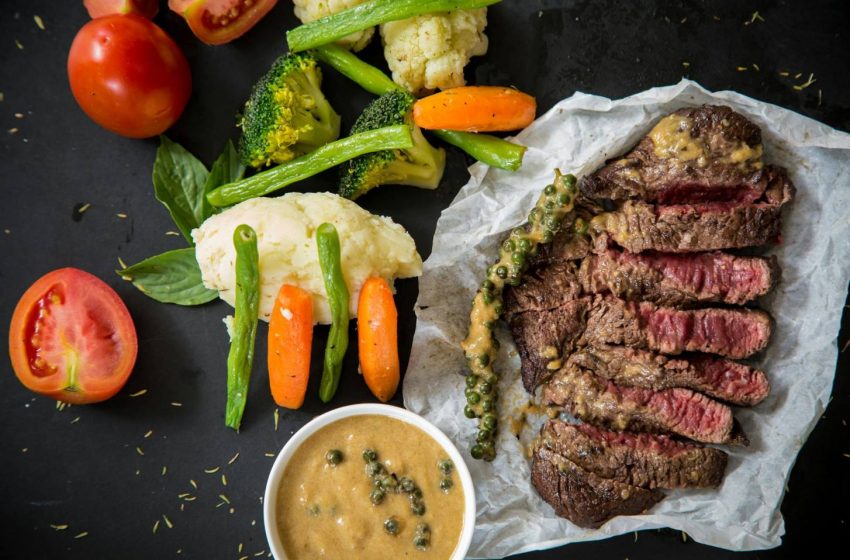
The global beef industry remains a cornerstone of the agricultural economy, driven by rising demand for protein-rich diets and evolving consumer preferences. In 2025, beef and veal production worldwide is estimated to hover between 58 and 60 million metric tons, reflecting a stable yet challenged market. This article explores the state of beef production, its key drivers, and the parallel dynamics of global cement production, which significantly influences the construction industry. By examining statistical data, market trends, and environmental considerations, we provide a comprehensive overview optimized for clarity and relevance.
Beef Production: A Global Snapshot
Beef production in 2025 is shaped by regional disparities, environmental pressures, and shifting consumer behaviors. The United States, Brazil, and China remain the top producers, with North America holding a 39.08% market share in 2024, valued at USD 459.87 billion. Projections indicate the global beef market will grow from USD 484.75 billion in 2025 to USD 656.44 billion by 2032, at a compound annual growth rate (CAGR) of 4.43%. This growth is fueled by rising disposable incomes and demand for premium products like Wagyu and antibiotic-free beef.
However, challenges persist. In the U.S., per capita beef supply is expected to dip to 58.8 pounds in 2025, down from 59.6 pounds in 2024, due to herd liquidation and high cattle prices. Globally, beef accounts for just over 10% of protein consumption in countries like China, which relies heavily on imports from Brazil and Argentina. Environmental concerns, including deforestation and methane emissions, continue to scrutinize the industry, with livestock farming contributing approximately 8% of global CO2 emissions.
Key Drivers of Beef Production
Several factors influence global beef production in 2025:
- Consumer Preferences: Demand for organic and ethically sourced beef is rising, particularly among younger consumers. In Argentina, beef dominates, accounting for over 50% of per capita meat consumption.
- Economic Factors: Inflationary pressures increase feed, labor, and transportation costs, with beef and veal prices projected to rise by 3.2% in 2025, according to the USDA Food Price Outlook.
- Sustainability Initiatives: Producers are adopting methane-reducing feed technologies and improved waste management to meet stricter emissions regulations.
- Trade Dynamics: Brazil and Australia lead beef exports, while China, Japan, and South Korea drive import demand. New trade deals are expanding market access for emerging producers like Vietnam and Ethiopia.
Global Cement Production: Fueling Construction Growth
Parallel to beef, cement production is a vital pillar of global infrastructure. In 2025, global cement production is projected to reach 4.5 billion metric tons, a 10% increase from 4.1 billion in 2020. China, India, Vietnam, the United States, and Turkey are the leading producers, with China’s construction boom making it the largest market player. The global cement tiles market alone is expected to reach USD 55,623.70 million by 2030, growing at a CAGR of 6.70% from 2023 to 2030.
Cement is the backbone of concrete, the world’s most widely used building material, constituting nearly 73% of U.S. cement use in 2023 for ready-made concrete mixes. The construction industry, valued at USD 11.4 trillion globally, relies heavily on cement for foundations, dams, and structural elements. However, cement production is emissions-intensive, contributing approximately 8% of global CO2 emissions, prompting innovations like recycled materials and alternative cements to reduce environmental impact.
Impact on the Construction Industry
The growth in cement production directly influences the construction sector’s trajectory. Urbanization and infrastructure development, particularly in Asia-Pacific and Africa, drive demand. For instance, India’s rapid urban expansion fuels cement consumption, while Africa’s emerging economies like Nigeria and Ethiopia invest in construction to support growing populations. The adoption of 3D concrete printing and geopolymer concrete is revolutionizing building efficiency, reducing costs, and enhancing sustainability.
However, challenges such as Trump’s tariff policies and rising raw material costs could hinder growth. The Global Cement and Concrete Association reports that using recycled materials can cut emissions by up to 30%, aligning with global sustainability goals. As construction spending is expected to outpace global GDP growth over the next decade, cement remains a critical driver of economic development.
Data Insights: Beef and Cement Production
The following tables summarize key production statistics for beef and cement in 2025, highlighting top producers and market trends.
| Country | Production (Million Metric Tons) | Market Share (%) |
|---|---|---|
| United States | 12.5 | 21.0 |
| Brazil | 10.2 | 17.1 |
| China | 7.8 | 13.1 |
| Argentina | 3.1 | 5.2 |
| Australia | 2.9 | 4.9 |
| Country | Production (Billion Metric Tons) | Market Share (%) |
|---|---|---|
| China | 2.2 | 48.9 |
| India | 0.4 | 8.9 |
| Vietnam | 0.1 | 2.2 |
| United States | 0.1 | 2.2 |
| Turkey | 0.09 | 2.0 |
Visualizing Production Trends
The following chart illustrates the distribution of global beef and cement production among top countries in 2025, emphasizing their market dominance.
Navigating Challenges and Opportunities
Both industries face unique yet interconnected challenges. Beef producers must balance rising costs and environmental regulations with consumer demand for sustainable products. Innovations like lab-grown meat and plant-based proteins are gaining traction, particularly in premium dining markets. Similarly, cement producers are under pressure to reduce emissions through sustainable practices, such as using recycled materials and exploring carbon-neutral production methods.
From a portfolio perspective, investments in agribusiness and construction offer diversification but require careful consideration of environmental and regulatory risks. For stakeholders, including immigration attorneys navigating USCIS criteria for investor visas, understanding these industries’ economic significance can inform strategic decisions. The EB-5 visa program, for instance, often involves investments in agriculture or infrastructure, aligning with beef and cement market trends.
Future Outlook
Looking ahead, the beef industry will likely see continued growth in emerging markets, driven by urbanization and rising middle-class populations in regions like the UAE and South Africa. Cement production will remain integral to global construction, with innovations in 3D printing and sustainable materials shaping its future. Both sectors must adapt to regulatory pressures and consumer expectations to maintain competitiveness.
In conclusion, global beef and cement production in 2025 reflect dynamic industries navigating growth, sustainability, and economic challenges. By leveraging data-driven insights and innovative practices, stakeholders can capitalize on opportunities while addressing environmental and market complexities.
Sources
-
USDA Foreign Agricultural Service: Beef and Veal Production Worldwide
https://www.fas.usda.gov/data
Provides detailed statistics on global beef and veal production, including country-specific data and market trends. -
USDA Economic Research Service: Food Price Outlook
https://www.ers.usda.gov/data-products/food-price-outlook/
Offers projections for food price increases, including beef and veal, for 2025. -
U.S. Geological Survey: Cement Statistics and Information
https://www.usgs.gov/centers/nmic/cement-statistics-and-information
Contains comprehensive data on global cement production and its role in the construction industry. -
Food and Agriculture Organization: Livestock Primary
http://www.fao.org/faostat/en/#data/QL
Provides global livestock production data, including beef, with historical and projected figures. -
U.S. Department of Agriculture: World Agricultural Supply and Demand Estimates
https://www.usda.gov/oce/commodity/wasde
Includes forecasts for agricultural commodities, focusing on beef supply and demand dynamics.