Infectious Disease Outbreaks: Are We Prepared for the Next Pandemic?
In 2025, the threat of infectious diseases 2025 looms large, with emerging viruses global posing significant risks to public health and global stability. The COVID-19 pandemic exposed vulnerabilities in preparedness, and recent outbreaks of diseases like mpox, bird flu, and Marburg virus underscore the ongoing challenge. This article examines the state of global readiness for the next pandemic, exploring recent trends, key risk factors, and critical gaps in preparedness, supported by authoritative data and expert insights.
The Evolving Landscape of Infectious Diseases in 2025
Infectious diseases remain a leading cause of global morbidity and mortality. The World Health Organization (WHO) estimates that infectious diseases account for 13% of global deaths, with emerging infectious diseases (EIDs) like SARS-CoV-2, Ebola, and mpox driving significant outbreaks. A 2024 WHO report highlights a 25% increase in anxiety and depression during the COVID-19 pandemic, reflecting the broader societal impact of pandemics. The Centers for Disease Control and Prevention (CDC) notes that 60% of known infectious diseases are zoonotic, with 75% of new or emerging diseases originating in animals, such as H5N1 bird flu and Nipah virus.
In 2024, the CDC confirmed 66 human cases of H5N1 bird flu in the U.S., a sharp rise from two cases in the previous two years, with a 30% mortality rate in human infections raising concerns about its pandemic potential. Globally, the WHO reported 39 cases of Marburg virus disease in Equatorial Guinea in 2023, with a 90% case-fatality ratio, and clade I mpox outbreaks in Central and Eastern Africa led to a Public Health Emergency of International Concern in 2024. These events signal that infectious diseases 2025 are a pressing threat, with emerging viruses global requiring urgent attention.
Recent Trends in Infectious Disease Outbreaks
A 2014 study in the *Journal of The Royal Society Interface* analyzed 12,102 outbreaks from 1980 to 2013, finding a significant increase in outbreak frequency and disease diversity. Zoonotic diseases, particularly those from wildlife (e.g., SARS, Ebola), dominate EID events, with 60.3% of outbreaks linked to animal sources. Bacterial and rickettsial pathogens, including drug-resistant strains like vancomycin-resistant *Staphylococcus aureus*, account for 54.3% of EID events, while viral pathogens constitute 25.4%.
The COVID-19 pandemic, declared by WHO in March 2020, caused over 700 million cases and 7 million deaths by 2023, per the WHO. It highlighted gaps in surveillance, vaccine distribution, and global coordination. In 2024, Oropouche virus emerged outside the Amazon basin, with U.S. travel-associated cases linked to fetal deaths and birth defects, prompting the CDC to develop new diagnostic tests. These trends underscore the need for robust preparedness to address emerging viruses global.
Risk Factors Driving Outbreaks
Several factors amplify the risk of infectious disease outbreaks, making preparedness critical for 2025.
1. Zoonotic Transmission
Zoonotic pathogens, responsible for 60% of EIDs, thrive in areas with increased human-animal contact. Deforestation, urbanization, and agricultural expansion drive spillover events, as seen with Nipah virus in Malaysia (1999) and SARS in China (2002). A 2024 *Nature Reviews Microbiology* study notes that climate change alters animal migration patterns, increasing zoonotic risks, such as Hendra virus spillover in Australia.
2. Antimicrobial Resistance (AMR)
AMR is a growing threat, with drug-resistant bacteria causing 54.3% of EID events. The CDC estimates that AMR contributes to 2.8 million infections and 35,000 deaths annually in the U.S. A 2024 McKinsey report warns that AMR could cause 10 million global deaths annually by 2050 if unchecked, emphasizing the need for new therapeutics.
3. Declining Vaccination Rates
Vaccine hesitancy has led to resurgences of preventable diseases. The CDC reports that measles, eliminated in the U.S. in 2000, reemerged due to nonmedical vaccine exemptions, with 1,282 cases in 2019. Polio remains endemic in Pakistan and Afghanistan, posing a risk to unvaccinated U.S. children. A 2025 *U.S. News* article highlights concerns about declining childhood vaccination rates, increasing vulnerability to diseases like mumps and rubella.
4. Global Travel and Urbanization
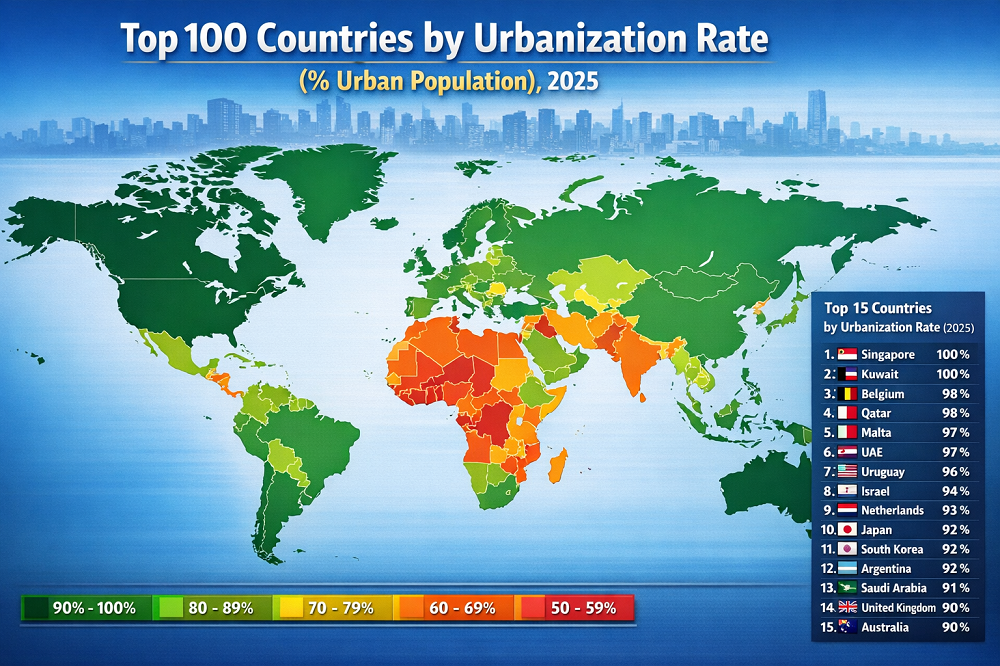
Airline flights have doubled since 2000, per a 2021 *Nature Reviews Microbiology* study, accelerating pathogen spread. Urbanization, with over 50% of the global population in urban areas since 2007, creates high-density settings for transmission, as seen with SARS-CoV-2. These factors amplify the risk of emerging viruses global.
Are We Prepared for the Next Pandemic?
Despite lessons from COVID-19, global preparedness remains inadequate. A 2022 McKinsey report estimates that $5 per person annually could significantly enhance pandemic preparedness, yet funding remains limited. Posts on X in 2025 reflect public concern, with experts warning that surveillance systems are underfunded and global coordination lacks enforcement mechanisms.
Strengths in Preparedness
- Surveillance Systems: The CDC’s ArboNET system and WHO’s Global Epidemic Information Monitoring System track outbreaks like Oropouche and dengue. In 2024, the CDC responded to a Lassa fever case in Iowa within 72 hours, leveraging 16 years of collaboration with Liberia.
- Vaccine Development: COVID-19 vaccines were developed in under a year, a model for future pandemics. The UK stockpiled 5 million H5N1 vaccine doses in 2024, per a 2025 *Gavi* report.
- Global Partnerships: The CDC’s response to mpox in the Democratic Republic of Congo in 2024, involving 15 U.S. agencies, strengthened surveillance and vaccine distribution.
Critical Gaps
- Underfunded Surveillance: A 2025 *Gavi* report notes that global surveillance systems are like “smoke detectors with dead batteries,” missing early signals of outbreaks like H5N1, which infected dairy cattle in the U.S. in 2024.
- Inequitable Access: Low- and middle-income countries (LMICs) face 80% of global infectious disease burden but receive only 2% of health budgets, per WHO’s 2024 Mental Health Atlas. Mpox vaccine costs deter high-risk populations, per a 2025 *U.S. News* report.
- AMR and Vaccine Hesitancy: Rising AMR and declining vaccination rates threaten containment. A 2024 Bloomberg report warns that AMR could derail pandemic response without new antibiotics.
- Global Coordination: The WHO’s 2025 Pandemic Agreement draft, cited on X, aims to improve pathogen sharing and vaccine equity but lacks binding commitments, risking delays in response.
Strategies to Enhance Preparedness
Preparing for infectious diseases 2025 requires addressing these gaps through targeted strategies:
- Strengthen Surveillance: Invest in real-time, AI-driven monitoring systems, as suggested by a 2023 PwC report, to detect outbreaks early.
- Boost Vaccine Access: Expand global vaccine production and distribution, prioritizing LMICs, per WHO’s 2024 recommendations.
- Combat AMR: Accelerate development of new antibiotics and enforce antimicrobial stewardship, as advocated by the CDC.
- Enhance Global Coordination: Finalize the WHO Pandemic Agreement with enforceable measures, as urged in a 2025 McKinsey report.
- Public Education: Counter vaccine hesitancy through campaigns, emphasizing the success of smallpox eradication, which saved 2–3 million lives annually.
Data Comparison: Recent Infectious Disease Outbreaks
The table below summarizes key infectious disease outbreaks in 2023–2024, based on WHO and CDC data, highlighting case numbers and mortality rates.
| Disease | Year | Region | Cases | Mortality Rate (%) |
|---|---|---|---|---|
| H5N1 Bird Flu | 2024 | USA | 66 | 30 |
| Mpox (Clade I) | 2024 | Central/Eastern Africa | Unknown | 3–6 |
| Marburg Virus | 2023 | Equatorial Guinea | 39 | 90 |
| Oropouche Virus | 2024 | Americas | Unknown | Low |
Future Outlook for Infectious Diseases 2025
By 2050, the WHO projects a rise in zoonotic EIDs due to climate change and population growth, with influenza strains like H5N1 or novel coronaviruses as likely pandemic candidates. A 2024 McKinsey report estimates that smart investments of $5 per person annually could prevent millions of deaths, but current funding falls short. The WHO’s priority pathogens list, including COVID-19, Ebola, and “Disease X,” emphasizes the need for proactive research and development.
Conclusion
Infectious diseases 2025 pose a formidable challenge, with emerging viruses global threatening to spark the next pandemic. While surveillance systems, vaccine development, and global partnerships show progress, critical gaps in funding, equity, and coordination persist. The rise of H5N1, mpox, and AMR highlights the urgency of strengthening preparedness. By investing in surveillance, vaccine access, and public education, the world can better prepare for the inevitable next outbreak, safeguarding lives and economies.
Primary Sources
- Centers for Disease Control and Prevention (CDC) - Emerging Infectious Diseases: Official U.S. data on infectious disease outbreaks and surveillance.
- World Health Organization (WHO) - Disease Outbreak News: Global infectious disease outbreak reports and statistics.
- National Institutes of Health (NIH) - Research Matters: Studies on zoonotic diseases and antimicrobial resistance.