Top 10 Jerusalem Artichoke Production Countries in 2025
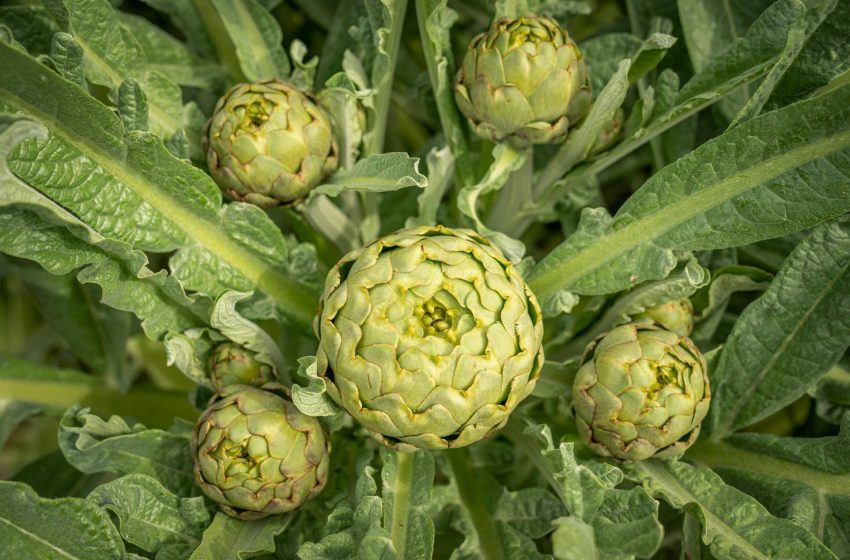
Jerusalem artichoke (Helianthus tuberosus), also known as sunchoke, sunroot, or topinambur, is a versatile root vegetable native to North America. Despite its name, it has no connection to Jerusalem artichoke and is not a true artichoke, but rather a member of the sunflower family (Asteraceae). Valued for its high nutritional content, particularly inulin-a prebiotic fiber with significant health benefits-the Jerusalem artichoke has gained worldwide attention in recent years. Its tubers, which resemble ginger, are consumed raw, cooked, or processed into products such as inulin powder, glucose-fructose syrup, and animal feed. In addition, its potential as a biofuel feedstock has spurred interest in its cultivation, particularly in regions with marginal land unsuitable for traditional crops.
In 2025, the global market for Jerusalem artichoke will continue to grow, driven by increasing demand for functional foods, dietary supplements, and sustainable bioenergy sources. This article examines the top 10 countries leading Jerusalem artichoke production in 2025, providing detailed insights into production volumes, agricultural practices, and market trends. Supported by data and visualizations, the analysis aims to provide a comprehensive overview of the global landscape of this underutilized yet promising crop.
Global Context for Jerusalem Artichoke Production
Jerusalem artichoke is a hardy perennial crop that thrives in a wide range of climates and soil types, from temperate regions to arid and saline lands. Its ability to tolerate drought, frost, and poor soil conditions makes it an attractive option for farmers in regions where traditional crops such as wheat or corn struggle. The crop’s high inulin content, which can account for up to 20% of the tuber’s fresh weight, has fueled its use in functional foods and pharmaceuticals. Global production is estimated to reach approximately 2.5 million metric tons in 2025, a significant increase from 1.8 million metric tons in 2020, representing a compound annual growth rate (CAGR) of approximately 6.7% from 2020 to 2025.
The increase in production is attributed to growing consumer awareness of health benefits such as improved gut health, blood sugar regulation, and antioxidant properties. In addition, advances in biotechnology applications, such as inulin extraction and ethanol production, have expanded the crop’s economic potential. Countries with large agricultural sectors and favorable climates dominate production, but smaller nations are emerging as key players through niche markets and innovative farming practices.
Top 10 Jerusalem Artichoke Production Countries
The following section details the top 10 countries in Jerusalem Artichoke production for 2025, based on estimated production volumes, agricultural infrastructure, and market dynamics. Data is derived from projections based on trends reported by organizations such as the Food and Agriculture Organization (FAO), Tridge, and regional agricultural studies, adjusted for 2025 expectations.
1. China
China leads global Jerusalem artichoke production in 2025 with an estimated 750,000 metric tons. The country’s vast arable land, particularly in the northwest (e.g. Gansu and Shandong provinces), supports large-scale cultivation on marginal land. Jerusalem artichoke is grown primarily for inulin extraction and biofuel production, with significant investment in processing facilities. The crop’s low input requirements and high biomass yield make it a strategic choice for China’s sustainable agriculture initiatives.
2. France
France ranks second, producing about 450,000 metric tons in 2025. Known for its culinary tradition, France markets Jerusalem artichoke (locally called topinambour) as a gourmet vegetable. The Brittany and Normandy regions are major production centers, benefiting from fertile soils and a temperate climate. French farmers also supply inulin to the pharmaceutical and food industries, with exports to neighboring European countries.
3. Russia
Russia’s production is estimated at 350,000 metric tons in 2025, driven by recent trade agreements, such as protocols with China for the export of Jerusalem artichokes. The crop’s resistance to cold climates makes it suitable for cultivation in Siberia and the Urals. Russia focuses on both fresh consumption and processed products, including inulin-based dietary supplements.
4. GERMANY
Germany produces about 300,000 metric tons in 2025, taking advantage of its advanced agricultural technology. The crop is grown in the regions of Bavaria and Saxony, where it is used for animal feed and functional food ingredients. Germany’s focus on organic farming has increased demand for Jerusalem artichoke as a natural food with a low glycemic index.
5. The United States
The United States contributes approximately 250,000 metric tons to global production in 2025. California, particularly the Central Valley, accounts for the majority of U.S. production due to its favorable climate. The U.S. is a major importer of Jerusalem artichokes to meet domestic demand, with specialty growers marketing them as sunchokes for culinary use.
6. Italy
Italy’s production is estimated to reach 200,000 tons in 2025. While better known for globe artichokes, Italy has expanded Jerusalem artichoke cultivation in the Piedmont and Tuscany regions. The crop is used in both fresh and processed forms, with a growing market for inulin-based products in the health food sector.
7. Canada
Canada produces about 150,000 metric tons in 2025, primarily in Ontario and Quebec. The crop’s ability to withstand frost is well suited to Canada’s climate, and its cultivation is supported by government initiatives to promote sustainable agriculture. Jerusalem artichokes are marketed as a health food and used in animal feed.
8. Australia
Australian production is estimated at 120,000 metric tons in 2025, with cultivation concentrated in Victoria and New South Wales. The crop’s drought tolerance suits Australia’s arid conditions, and it is increasingly used in gluten-free and vegan foods, in line with consumer trends.
9. Turkmenistan
Turkmenistan emerges as a notable producer with 100,000 tons in 2025, driven by its State Program for the Development of Biotechnology (2024-2028). The country is focusing on inulin and glucose-fructose syrup production, with research institutions developing innovative processing technologies.
10. Indonesia
Indonesia rounds out the top 10 with an estimated 80,000 metric tons in 2025. Cultivation is concentrated in Java and Sumatra, where the crop is grown for both domestic consumption and export. Indonesia’s tropical climate supports high yields and the crop is gaining popularity in the local diet.
Data Table: Production Volumes
The following table summarizes the estimated Jerusalem artichoke production for the top 10 countries in 2025.
Rank | Country | Production (Metric Tons) | Primary Use Cases |
1 | China | 750,000 | Inulin, biofuel, animal feed |
2 | France | 450,000 | Culinary, inulin, pharmaceuticals |
3 | Russia | 350,000 | Fresh consumption, dietary supplements |
4 | Germany | 300,000 | Animal feed, functional foods |
5 | United States | 250,000 | Culinary, health foods |
6 | Italy | 200,000 | Fresh and processed products |
7 | Canada | 150,000 | Health foods, animal feed |
8 | Australia | 120,000 | Gluten-free, vegan products |
9 | Turkmenistan | 100,000 | Inulin, glucose-fructose syrup |
10 | Indonesia | 80,000 | Domestic consumption, export |
Key drivers of production growth
Health and nutrition trends
The global rise in health-conscious consumers has significantly increased demand for Jerusalem artichoke. Inulin, a prebiotic fiber, supports gut health and is used in foods with a low glycemic index, appealing to diabetic and health-conscious consumers. For example, the global inulin market was valued at $1.5 billion in 2023 and is projected to reach $2.1 billion by 2028, driven in part by Jerusalem artichoke-derived products.
Biofuel and Sustainability
Jerusalem artichoke’s high biomass yield and inulin content make it a viable biofuel feedstock. Countries such as China and Turkmenistan are investing in ethanol production from the tubers, in line with global sustainability goals. A 2025 study in ScienceDirect highlights the energy efficiency of the crop, with net energy yields of up to 59,926 MJ/ha under optimal conditions.
Agricultural advantages
The crop’s low input requirements and resistance to adverse conditions (e.g. drought, frost and saline soils) make it attractive to farmers. Its short 7-month growing cycle and ability to produce 75-200 tubers per plant increase its economic viability, particularly in regions such as Australia and Russia.
Regional Insights
ASIA
China and Indonesia dominate Asian production due to their large agricultural sectors and favorable climates. China’s focus on marginal land and Indonesia’s tropical conditions support high yields. Turkmenistan’s recent advances in biotechnology, particularly in inulin extraction, position it as an emerging player.
EUROPE
France, Germany, and Italy lead European production, driven by culinary demand and organic farming trends. Europe will account for nearly 40% of global Jerusalem artichoke production in 2023, a trend expected to continue through 2025 due to strong consumer demand for functional foods.
North America
The United States and Canada benefit from the crop’s native status and cold tolerance. The U.S. focuses on specialty markets, while Canada emphasizes sustainable agriculture. Both countries are expanding production to meet growing domestic and export demand.
Oceania
Australia’s arid climate and focus on gluten-free and vegan products are driving production. The country’s agricultural research institutions are exploring new varieties to increase yields and inulin content.
Challenges and Opportunities
Market Challenges
- Market awareness: Limited consumer awareness in some regions hinders demand growth. Educational campaigns are needed to promote the health benefits of topinambur.
- Invasive Potential: The plant’s tendency to grow wild can lead to it being considered an invasive weed, making it difficult to grow in some areas.
- Processing Costs: High initial costs for inulin extraction and biofuel production may deter investment, particularly in developing countries.
Opportunities include
- Functional Foods: The growing popularity of plant-based and low-glycemic-index foods presents significant market opportunities.
- Bioenergy: Investments in biofuel production, as seen in China and Turkmenistan, could expand the economic footprint of the crop.
- Export Markets: Countries such as Russia and Indonesia are tapping export markets, particularly in Asia and Europe, to increase revenues.
Conclusion
Jerusalem artichoke is carving out a significant niche in global agriculture due to its nutritional, industrial, and environmental benefits. China leads production in 2025, followed by France, Russia, and Germany, with emerging players such as Turkmenistan and Indonesia gaining ground. The crop’s versatility, resilience, and alignment with health and sustainability trends position it for continued growth. As consumer demand for functional foods and sustainable energy sources increases, Jerusalem artichoke production is likely to expand further, supported by advances in farming and processing technologies.
References
- Food and Agriculture Organization (FAO) Corporate Statistical Database, 2023.
- Tridge, “Jerusalem Artichoke Global Market Overview,” 2024.
- ScienceDirect, “Energy Use Efficiency and Economic Feasibility of Jerusalem Artichoke Production,” 2025.
- News Central Asia, “Jerusalem Artichoke: A Promising Resource for Biotechnology in Turkmenistan,” 2025.