Top 100 Countries by Diesel Price in 2026: Highest Fuel Costs by USD per Liter
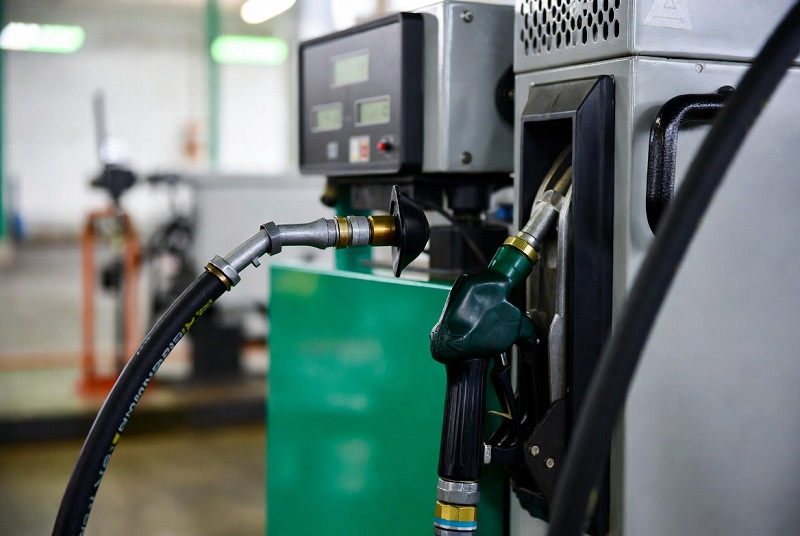
Diesel Price Ranking Based on the 20-Apr-2026 Snapshot
The ranking compares retail diesel prices in U.S. dollars per liter from the GlobalPetrolPrices diesel table dated 20-Apr-2026. Fuel prices can change weekly, so the figures below describe the 20-Apr-2026 snapshot rather than a full-year 2026 average. Diesel matters because it is central to freight, farming, buses, construction equipment and many business supply chains. A higher USD/L value means a more expensive pump price after taxes, subsidies, distribution costs and currency conversion.
The table ranks the 100 highest diesel-price markets available in that 20-Apr-2026 dataset. Because the source lists countries, territories and special markets, this is a cross-market pump-price comparison rather than a strict list of UN member states only. The world average diesel price in the same snapshot is about $1.57 per liter.
Hong Kong is the most expensive market in this snapshot, reflecting a dense urban market, high operating costs and local price conditions.
The GlobalPetrolPrices world average provides a benchmark, but taxes and subsidies push national prices far above or below it.
The most expensive tier is dominated by Europe and high-cost import or city markets, with Malawi and Singapore standing out outside Europe.
Diesel prices can move quickly when oil prices, exchange rates, subsidies or fuel taxes change. This ranking is a dated snapshot, not a permanent hierarchy or a 2026 annual average.
Overview: what the top of the diesel-price ranking shows
The upper part of the ranking is not simply a list of rich economies. It is a mix of high-tax European fuel markets, compact high-cost territories, island or import-dependent markets, and a few countries where distribution constraints or policy choices push diesel above the global average. Europe is heavily represented because diesel prices usually include excise duties, value-added tax and environmental policy costs.
Several entries need extra context. Hong Kong and Singapore are compact urban markets rather than large road-freight economies. Malawi appears near the very top because the USD price in the snapshot is unusually high relative to the global average. The Netherlands, Switzerland, Denmark, Finland and France show the role of taxation and high operating costs. By contrast, large producers and subsidy-heavy markets are mostly absent from the top 100 highest-price group.
Top 10 diesel-price markets in the 2026 snapshot
A dense city market with high operating, land and distribution costs; the retail price is far above the world average.
An exceptional high-price case in this snapshot; the level may reflect import costs, currency pressure and domestic pricing conditions.
A high-income city-state where land, operating costs, policy structure and urban transport priorities affect fuel pricing.
A high-tax European market where pump prices reflect excise duties, VAT and broader climate-policy costs.
A small high-income European market closely tied to regional price structures and Swiss-area operating costs.
High incomes, taxes, distribution costs and a strong currency contribute to a high USD-denominated diesel price.
Part of the expensive northern European fuel-price cluster, with taxes and environmental policy built into retail prices.
A Nordic market where fuel taxes, long-distance logistics and high operating costs keep diesel well above the world average.
Retail diesel is shaped by taxation, refinery and distribution costs, and energy-policy choices.
A European market where taxes, import costs and local market structure place diesel among the most expensive in the dataset.
Short table: Top 20 by diesel price
| Rank | Country or market | Diesel price |
|---|---|---|
| 1 | Hong Kong | $4.62/L |
| 2 | Malawi | $3.85/L |
| 3 | Singapore | $3.27/L |
| 4 | Netherlands | $2.88/L |
| 5 | Liechtenstein | $2.78/L |
| 6 | Switzerland | $2.77/L |
| 7 | Denmark | $2.74/L |
| 8 | Finland | $2.67/L |
| 9 | France | $2.64/L |
| 10 | Albania | $2.63/L |
| 11 | Israel | $2.63/L |
| 12 | Monaco | $2.60/L |
| 13 | United Kingdom | $2.58/L |
| 14 | Ireland | $2.54/L |
| 15 | Lithuania | $2.53/L |
| 16 | Germany | $2.51/L |
| 17 | Belgium | $2.49/L |
| 18 | Italy | $2.47/L |
| 19 | Norway | $2.42/L |
| 20 | Croatia | $2.34/L |
Full ranking table: 100 highest diesel-price markets
The table starts with the 20 most expensive markets. Search by country or market, sort by price, filter by region or switch to the full Top 100.
| Rank | Country or market | Diesel price | Region |
|---|---|---|---|
| 1 | Hong Kong | $4.62/L | Asia-Pacific |
| 2 | Malawi | $3.85/L | Africa |
| 3 | Singapore | $3.27/L | Asia-Pacific |
| 4 | Netherlands | $2.88/L | Europe |
| 5 | Liechtenstein | $2.78/L | Europe |
| 6 | Switzerland | $2.77/L | Europe |
| 7 | Denmark | $2.74/L | Europe |
| 8 | Finland | $2.67/L | Europe |
| 9 | France | $2.64/L | Europe |
| 10 | Albania | $2.63/L | Europe |
| 11 | Israel | $2.63/L | Middle East |
| 12 | Monaco | $2.60/L | Europe |
| 13 | United Kingdom | $2.58/L | Europe |
| 14 | Ireland | $2.54/L | Europe |
| 15 | Lithuania | $2.53/L | Europe |
| 16 | Germany | $2.51/L | Europe |
| 17 | Belgium | $2.49/L | Europe |
| 18 | Italy | $2.47/L | Europe |
| 19 | Norway | $2.42/L | Europe |
| 20 | Croatia | $2.34/L | Europe |
| 21 | Portugal | $2.31/L | Europe |
| 22 | Estonia | $2.31/L | Europe |
| 23 | Iceland | $2.30/L | Europe |
| 24 | Austria | $2.29/L | Europe |
| 25 | Greece | $2.29/L | Europe |
| 26 | Sweden | $2.27/L | Europe |
| 27 | Latvia | $2.25/L | Europe |
| 28 | New Zealand | $2.25/L | Asia-Pacific |
| 29 | Central African Republic | $2.24/L | Africa |
| 30 | Mayotte | $2.23/L | Africa |
| 31 | Cyprus | $2.21/L | Europe |
| 32 | Czech Republic | $2.20/L | Europe |
| 33 | Bosnia and Herzegovina | $2.18/L | Europe |
| 34 | Serbia | $2.17/L | Europe |
| 35 | Laos | $2.17/L | Asia-Pacific |
| 36 | San Marino | $2.16/L | Europe |
| 37 | Zimbabwe | $2.09/L | Africa |
| 38 | Poland | $2.09/L | Europe |
| 39 | Bulgaria | $2.07/L | Europe |
| 40 | Andorra | $2.07/L | Europe |
| 41 | Burma | $2.07/L | Asia-Pacific |
| 42 | Luxembourg | $2.06/L | Europe |
| 43 | Slovakia | $2.06/L | Europe |
| 44 | Philippines | $2.05/L | Asia-Pacific |
| 45 | Spain | $2.04/L | Europe |
| 46 | Slovenia | $2.04/L | Europe |
| 47 | Sierra Leone | $2.03/L | Africa |
| 48 | Ukraine | $2.03/L | Europe |
| 49 | Hungary | $1.99/L | Europe |
| 50 | Montenegro | $1.98/L | Europe |
| 51 | Romania | $1.98/L | Europe |
| 52 | Belize | $1.91/L | Americas |
| 53 | Wallis and Futuna | $1.90/L | Asia-Pacific |
| 54 | Peru | $1.89/L | Americas |
| 55 | Botswana | $1.87/L | Africa |
| 56 | Australia | $1.85/L | Asia-Pacific |
| 57 | Lesotho | $1.85/L | Africa |
| 58 | North Macedonia | $1.79/L | Europe |
| 59 | Moldova | $1.74/L | Europe |
| 60 | South Africa | $1.74/L | Africa |
| 61 | Haiti | $1.72/L | Americas |
| 62 | Mali | $1.69/L | Africa |
| 63 | Morocco | $1.67/L | Africa |
| 64 | Cayman Islands | $1.67/L | Americas |
| 65 | Argentina | $1.65/L | Americas |
| 66 | Mongolia | $1.65/L | Asia-Pacific |
| 67 | Mexico | $1.63/L | Americas |
| 68 | Chile | $1.61/L | Americas |
| 69 | Turkey | $1.60/L | Europe |
| 70 | Nepal | $1.59/L | Asia-Pacific |
| 71 | Armenia | $1.58/L | Europe |
| 72 | Zambia | $1.57/L | Africa |
| 73 | Barbados | $1.57/L | Americas |
| 74 | Canada | $1.55/L | Americas |
| 75 | Mauritius | $1.54/L | Africa |
| 76 | Swaziland | $1.53/L | Africa |
| 77 | Kenya | $1.52/L | Africa |
| 78 | South Korea | $1.51/L | Asia-Pacific |
| 79 | Malaysia | $1.51/L | Asia-Pacific |
| 80 | Rwanda | $1.51/L | Africa |
| 81 | Cameroon | $1.49/L | Africa |
| 82 | Brazil | $1.48/L | Americas |
| 83 | Georgia | $1.48/L | Europe |
| 84 | Seychelles | $1.47/L | Africa |
| 85 | Liberia | $1.46/L | Africa |
| 86 | Tanzania | $1.46/L | Africa |
| 87 | Guatemala | $1.46/L | Americas |
| 88 | Ghana | $1.46/L | Africa |
| 89 | Bahamas | $1.44/L | Americas |
| 90 | Namibia | $1.43/L | Africa |
| 91 | United States | $1.43/L | Americas |
| 92 | Suriname | $1.42/L | Americas |
| 93 | Malta | $1.42/L | Europe |
| 94 | Cambodia | $1.42/L | Asia-Pacific |
| 95 | Jamaica | $1.42/L | Americas |
| 96 | Bolivia | $1.42/L | Americas |
| 97 | Sri Lanka | $1.40/L | Asia-Pacific |
| 98 | Grenada | $1.38/L | Americas |
| 99 | Uganda | $1.37/L | Africa |
| 100 | Panama | $1.37/L | Americas |
Source: GlobalPetrolPrices diesel price table, 20-Apr-2026 snapshot. Values are in U.S. dollars per liter and rounded to two decimals in the visible table. The ranking covers the 100 highest-price countries, territories and markets present in the source table.
Charts: price concentration at the top of the diesel ranking
Chart 1. Top 20 diesel prices, USD per liter
The first three markets sit well above the rest of the Top 20 and far above the $1.57/L world average.
- Hong Kong — $4.62/L
- Malawi — $3.85/L
- Singapore — $3.27/L
- Netherlands — $2.88/L
- Liechtenstein — $2.78/L
Chart 2. Regional count inside the Top 100
Europe has the largest presence in the expensive-diesel group, while Africa, the Americas and Asia-Pacific supply most of the mid-range entries in this Top 100.
- Europe — 43 markets
- Africa — 23 markets
- Americas — 20 markets
- Asia-Pacific — 13 markets
- Middle East — 1 market
Methodology
The ranking uses retail diesel prices expressed in U.S. dollars per liter. The main data point is the GlobalPetrolPrices country and market table for 20-Apr-2026. Prices are sorted from the highest USD/L value to the lowest, and this page displays the 100 highest values available in that source table.
Values are rounded to two decimals. Sorting uses the underlying three-decimal values from the source table where available, which is why some visible prices can look tied after rounding. The ranking does not combine diesel with gasoline, petrol, LPG or heating oil.
The snapshot date matters because retail fuel prices change with crude oil prices, refinery margins, currency exchange rates, fuel taxes, subsidy decisions and regulatory updates. Countries with liberalized pricing can move weekly, while regulated markets may change prices less frequently.
The World Bank Global Fuel Prices Database supports the methodology section because it documents monthly retail fuel-price collection across fuel types through April 2025. It is not the source for the ranked 20-Apr-2026 table; the ranking itself uses the GlobalPetrolPrices pump-price snapshot for that date.
USD/L makes prices comparable across markets, but it also introduces exchange-rate effects. A country can look expensive in dollar terms after currency appreciation even if local pump prices have changed little. A low diesel price can also hide large subsidies or fiscal costs. A high diesel price can reflect policy choices rather than a shortage of fuel.
The ranking is not a measure of fuel quality, household affordability, total logistics cost, vehicle ownership cost or energy security. It is a retail pump-price comparison for one date and should be read alongside taxes, subsidies, incomes and transport structure.
Insights: why diesel prices differ so much
The top of the ranking is shaped by three forces: tax-heavy fuel systems, high-cost distribution environments and special-market effects. European countries cluster high because pump prices normally include excise duty, VAT and policy costs tied to transport emissions. Compact or island markets can also be expensive because storage, land, distribution and import logistics are costly relative to market size.
The middle of the Top 100 contains a wider mix: Latin American economies, African importers, Asia-Pacific markets and several lower-cost advanced economies. These countries often sit near or slightly above the global average because they combine market pricing with moderate taxes, partial subsidies or currency effects. The United States and Canada are much lower than Western Europe, which reflects a different fuel-tax structure.
The bottom edge of this Top 100 is still not the global bottom. It starts around $1.37/L because this table only shows the highest 100 entries. Many oil-producing or subsidy-heavy markets sit below the cutoff. Cheap diesel can reduce transport costs in the short term, but it may also encourage inefficient fuel use, weaken public finances or delay investment in cleaner fleets.
High diesel prices usually reflect policy, taxes and distribution costs as much as crude-oil scarcity. The pump price is an economic signal, not just a commodity price.
A $2.00/L diesel price does not mean the same burden in a high-income country and a low-income country. Affordability requires income and freight-cost context.
What this means for readers
For drivers, diesel prices affect the direct cost of road trips and work vehicles. For businesses, they influence freight contracts, delivery costs, construction costs, farm operations and the price of goods that depend on trucking. For travelers, the ranking helps explain why car rental and long-distance driving can feel much more expensive in some countries than in others.
For analysts, the table is a quick way to see how countries use taxation, subsidies and price regulation. A high-price country may be discouraging fossil-fuel use or raising transport-tax revenue. A low-price country may be protecting consumers, supporting freight and agriculture, or using energy subsidies that create budget pressure.
Use the ranking as context, not as a full cost-of-living measure. Diesel prices should be compared with wages, road distances, public transport options, inflation, fuel taxes and the share of diesel in freight. The ranking helps frame cost pressure, but it should not be used alone to judge a country’s overall cost of living or economic competitiveness.
FAQ
What does USD per liter mean in a diesel-price ranking?
It converts each market’s retail diesel pump price into U.S. dollars for one liter of fuel. This makes countries easier to compare, but it also means exchange-rate movements can affect the ranking.
Why are diesel prices so different between countries?
The main reasons are fuel taxes, VAT or sales tax, subsidies, import dependence, distribution costs, currency exchange rates and whether the government regulates pump prices.
Why is diesel often expensive in Europe?
Many European countries apply excise duties, VAT and environmental policy costs to road fuels. These charges can make the final pump price much higher than the underlying wholesale fuel cost.
Does cheap diesel mean transport is cheap overall?
Not always. Transport costs also depend on wages, tolls, vehicle prices, road quality, insurance, maintenance, border delays and logistics efficiency. Diesel is only one part of the cost stack.
How often do diesel prices change?
In liberalized markets, prices can change weekly or even more often. In regulated markets, prices may be updated monthly or only after government announcements.
Why can USD diesel prices move even if local prices are stable?
If a local currency weakens or strengthens against the U.S. dollar, the USD/L value can change even when the local pump price has not moved much.
Is this ranking about diesel quality?
No. The ranking compares retail price only. It does not measure sulfur content, biodiesel blend, fuel quality standards or the reliability of fuel supply.
Sources
-
GlobalPetrolPrices — Diesel prices around the world.
Main source for the 20-Apr-2026 diesel price snapshot in USD per liter.
https://www.globalpetrolprices.com/diesel_prices/ -
World Bank Data Catalog — Global Fuel Prices Database.
Official dataset for monthly retail fuel-price collection methodology and historical fuel price coverage through April 2025.
https://datacatalog.worldbank.org/search/dataset/0066829/global-fuel-prices-database -
World Bank — Global Fuel Pricing and Subsidy Policies Dashboard.
Context for how fuel prices, subsidies and policy interventions are tracked across countries.
https://www.worldbank.org/en/topic/energy/publication/global-fuel-pricing-and-subsidy-policies-dashboard -
International Energy Agency — Oil Market Report.
Tracks global oil-market conditions that influence diesel prices, refining margins and fuel-market volatility.
https://www.iea.org/reports/oil-market-report
Related rankings
Closely related StatRanker ranking and data pages selected by topic, entity scope and category. Fewer links are shown when strong matches are limited.