


Top 10 Drone Manufacturing Countries in 2025: Global Leaders, Trends, and Insights
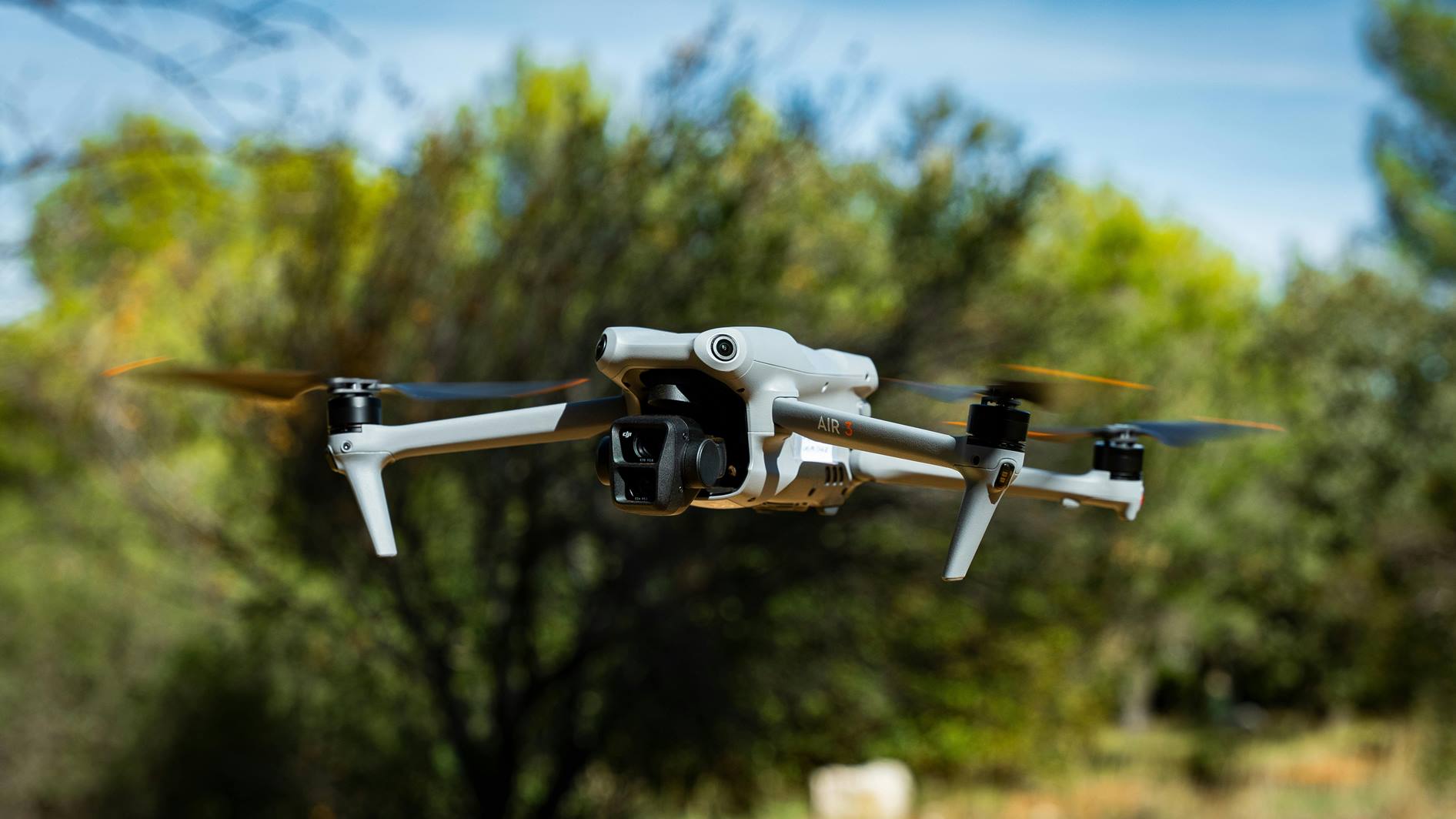
This updated snapshot reflects late-2025/early-2026 shifts: procurement and regulation in the U.S., rapid wartime scale-up in Ukraine, and the need for an auditable comparison method when consistent “units produced” data is not public.
Thank you for reading this post, don't forget to subscribe!Top 10 at a glance
World-scale supply chain for airframes, batteries, cameras, gimbals, and controllers; dominant consumer/commercial footprint.
- Mass production + broad component ecosystem.
- Fast iteration cycles and price/performance leadership.
Strength in defense UAVs, autonomy, sensors, and secure communications; major domestic operator base and procurement capacity.
- Defense-grade systems + deep R&D.
- Focus on secure supply chains and integration.
Export-driven defense drone industry with rapid scaling and operational deployment experience.
- Combat-proven platforms.
- Export footprint supports industrial scale.
Long-standing military UAV specialization: ISR platforms, payload integration, reliability.
- Sensor/payload integration leadership.
- Mature defense manufacturing ecosystem.
Fast-growing domestic manufacturing boosted by defense demand, policy support, and startups.
- Expanding dual-use production base.
- Growing local ecosystem and procurement.
Wartime scale-up created dense FPV/tactical ecosystem with rapid iteration and distributed manufacturing.
- Fast redesign cycles driven by battlefield feedback.
- Large-scale procurement accelerates throughput.
Expanded domestic UAV output under constraints; focus on tactical ISR and loitering munitions.
- Defense demand supports scale.
- Component substitution and adaptation.
Electronics and robotics strengths translate into capable dual-use UAV manufacturing and autonomy.
- Sensor/electronics ecosystem.
- Industrial and defense programs.
Precision engineering with niches in industrial inspection, agriculture, and robotics-adjacent UAVs.
- Quality and reliability focus.
- Strong industrial deployment niches.
High-quality dual-use UAVs, sensors, and secure integration for professional/industrial use cases.
- Premium platforms and engineering depth.
- Strong industrial and security niches.
Table 1 — Top 10 drone manufacturing countries (2026 snapshot)
| Rank | Country | Score | Key strengths (merged) |
|---|---|---|---|
| 1 | China | 92 | Mass production + components ecosystem; strong standardized trade footprint and global distribution. |
| 2 | United States | 88 | Defense UAVs + autonomy/sensors; large operator base and procurement capacity; growing focus on secure supply chains. |
| 3 | Turkey | 78 | Export-oriented defense production; combat-proven platforms; fast scaling cycle from procurement to output. |
| 4 | Israel | 76 | ISR platforms and payload integration; mature defense ecosystem and consistent export presence. |
| 5 | India | 72 | Rapid domestic scale-up (dual-use); policy and procurement support; expanding startup base. |
| 6 | Ukraine | 70 | FPV/tactical output at scale; distributed manufacturing; procurement-driven throughput and fast iteration loop. |
| 7 | Russia | 66 | Defense-led output expansion; focus on tactical ISR and loitering systems; adaptation under constraints. |
| 8 | South Korea | 64 | Electronics/robotics ecosystem; dual-use manufacturing and autonomy development; steady program growth. |
| 9 | Japan | 60 | Precision engineering; strong industrial/agriculture niches; emphasis on reliability and quality control. |
| 10 | Germany | 58 | Industrial UAVs + sensors/secure integration; premium platforms for professional and security use cases. |
Chart — Manufacturing strength (composite index)
Higher score indicates broader manufacturing capacity + ecosystem depth + defense + trade signals (0–100).
Fallback — same values as the chart
| China | 92 |
| United States | 88 |
| Turkey | 78 |
| Israel | 76 |
| India | 72 |
| Ukraine | 70 |
| Russia | 66 |
| South Korea | 64 |
| Japan | 60 |
| Germany | 58 |
Signals behind the ranking (2026 update)
Table 2 — Selected signals (official / standardized where possible)
HS 8806 is a standardized customs category for drones. It is helpful for comparison, but may not capture all military systems and can lag fast changes.
| Signal | What it shows | Latest value used | Why it matters |
|---|---|---|---|
| U.S. drone registrations (FAA) | Domestic fleet size and demand base | 837,513 registered drones (Nov 2025) | Large demand supports ecosystem scale (manufacturing, services, procurement). |
| Ukraine FPV procurement (reported) | Industrial scale-up under wartime demand | ~4.5M FPV planned purchases in 2025 | High-volume procurement accelerates supplier density, tooling, and iteration speed. |
| Ukraine FPV deliveries (reported) | Delivered output through procurement channels | 3M FPV expected by end-2025; 2.4M delivered via DPA reported | Confirms large throughput and manufacturing continuity at national scale. |
| FCC Covered List update | Regulatory shift impacting market access | Dec 22, 2025: foreign-made UAS/components added | Can reshape procurement and increase incentives for cleared/local supply chains. |
| HS 8806 trade (OEC, 2023) | Comparable drone trade footprint | Global trade $4.32B; China $1.83B; Hong Kong $0.408B; Turkey $0.231B | Trade volumes indicate export capability and industrial throughput in standardized data. |
Chart — Drone exports (HS 8806) by leading exporters (2023)
Values are in USD billions (HS 8806 “Drones”). This is a trade indicator, not a complete measure of military production.
Fallback — export values used in the chart (USD, billions)
| China | 1.83 |
| Hong Kong | 0.408 |
| Turkey | 0.231 |
Methodology (how the score is built)
The “Manufacturing strength score” is a composite index (0–100) designed for transparency when consistent public data on unit output and market share is not available.
What the index measures
- Manufacturing scale & supply chain depth — breadth of components ecosystem, ability to scale production, and availability of critical subsystems.
- Defense & high-end capability — maturity of military/industrial platforms, payload integration, autonomy, and secure communications.
- Trade & ecosystem signals — standardized trade category indicators (where available), plus program/procurement signals.
- Recent change factor — evidence of rapid scaling, procurement surges, or regulatory changes affecting market structure.
How to interpret the ranking
- A higher score means a country shows broader manufacturing capability and stronger ecosystem depth across multiple signals.
- The index is not a claim of exact unit output. It is a practical, comparable framework for “who can build at scale and sustain it.”
- Trade indicators can lag reality; procurement and regulatory signals help capture faster shifts.
Used for the latest U.S. registered drones and remote pilot figures (demand and operator-base signal).
Used for late-2025 procurement/regulatory signal affecting new foreign-made UAS and components.
Used for standardized trade snapshot (exports/imports) as a comparable indicator for civilian/dual-use drone trade.
Used for large-scale procurement/plans signal in 2025 (industry scale-up indicator).
Used for procurement/delivery-related public updates (where available) as a scale confirmation signal.

StatRanker (Website)
administrator
